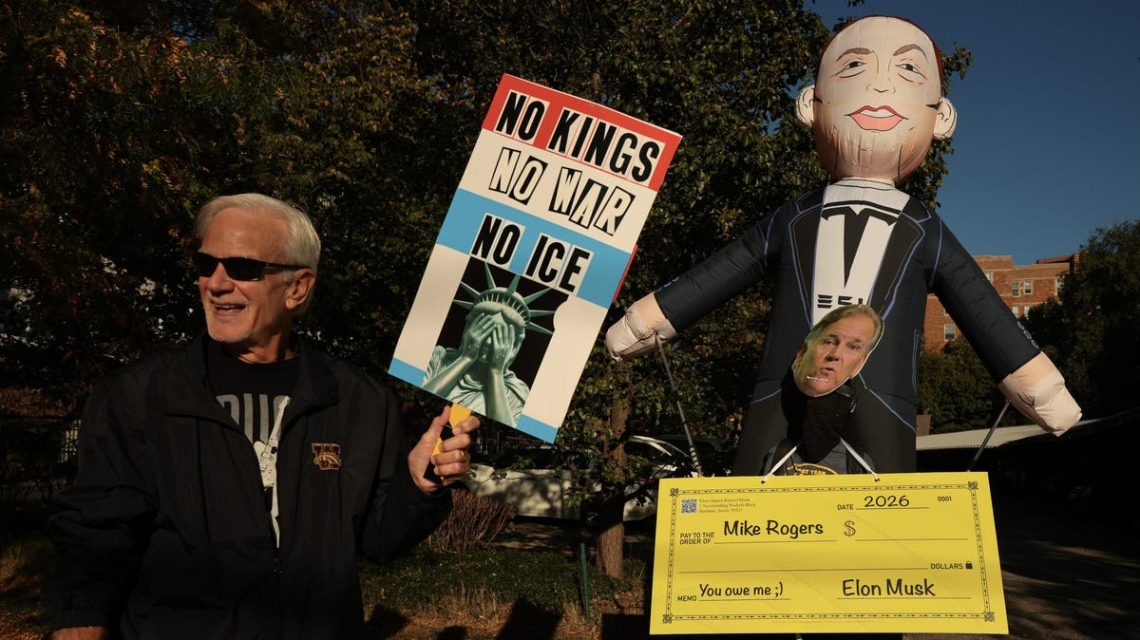
In a recent U.S. Senate debate in Michigan, candidates Abdul El-Sayed and Mike Rogers traded numerous personal attacks and accusations. The heated exchange covered topics such as affordability, the conflict in Iran, and U.S. support for Israel, culminating in fierce clashes over their financial dealings and personal backgrounds.
This debate, held in Grand Rapids, was the first onstage confrontation between the two candidates. Rogers had previously declined a debate hosted by FOX 2 Detroit due to concerns over the moderator’s impartiality. The discussion on affordability sparked a series of personal attacks. Rogers criticized El-Sayed’s medical credentials and accused him of deceiving voters. In response, El-Sayed accused Rogers of benefiting from corporate connections. Rogers alleged, “He’s lying. So, he lied about being a physician. He lied now about being an Egyptian citizen or not being an Egyptian citizen.” El-Sayed, with a medical degree from Columbia University, retaliated, “He wanted to make this about him or me. But the question is about you. Can you afford your gas? Can you afford your groceries under this guy who’s going to rubber stamp everything Donald Trump tells him to rubber stamp?”
The candidates scrutinized each other’s finances. El-Sayed accused Rogers of profiting from corporate links and referenced Rogers’ Florida property and alleged yacht ownership. Rogers denied owning yachts and questioned El-Sayed’s investments, mentioning alleged overseas property holdings in the UAE. He also criticized El-Sayed for accepting money from billionaires, despite El-Sayed’s stance against corporate PACs. During these interactions, the moderator, Rick Albin, needed to step in as the exchanges escalated. Albin emphasized, “Look, here’s the situation. We’ve got dozens of questions we want to get to. You can’t litigate all of these with 14 different rebuttals.” Albin noted that, in 30 years of moderating debates, he had never seen candidates continue arguing even during a commercial break.
The debate also highlighted sharp policy disagreements, notably on Israel and Iran. El-Sayed opposed using American taxpayer money to fund foreign militaries, declaring, “I don’t want our tax dollars buying weapons for other countries. I don’t know what’s so hard about that.” Rogers indicated he would support defensive weapons for Israel and maintained his support for the Jewish state. He accused El-Sayed of associating with groups supportive of terrorist organizations, allegations El-Sayed denied.
The two candidates diverged on how to address the Iranian threat. El-Sayed attributed rising gas prices to the conflict and advocated for diplomacy. Rogers, while agreeing the war should end, insisted Iran must not acquire a nuclear weapon. On domestic issues, El-Sayed supported federal price controls on domestically produced oil, describing gas prices as an emergency. Rogers rejected this, favoring temporary gas tax relief, diesel rebates, and a pause on diesel exports.
Healthcare also resurfaced as a contentious topic. El-Sayed advocated for a Medicare-for-all approach, allowing retention of private insurance. Rogers argued this would eliminate existing coverage and lead to substantial new taxes on families.
The debate took place against a backdrop of a competitive Senate race. A Fox News poll in late September showed El-Sayed leading Rogers 50% to 49% among likely voters, indicating a tight contest. The candidates are vying for the seat of retiring Democratic Sen. Gary Peters, with Republicans aiming to flip it while Democrats seek to maintain control.
Reporter Alec Schemmel contributed to this coverage from the Washington D.C.-Baltimore metro area.
 Voter Attitudes Toward Elites Show Increasing Cynicism
  Michigan Senate Candidates Clash in First Debate
  Intense Exchanges Mark Michigan Senate Debate
  Jack Smith Faces Tough Questioning Over Trump Investigations
  Voter Cynicism Grows Toward American Elites
  The David Network and Conservative College Initiatives