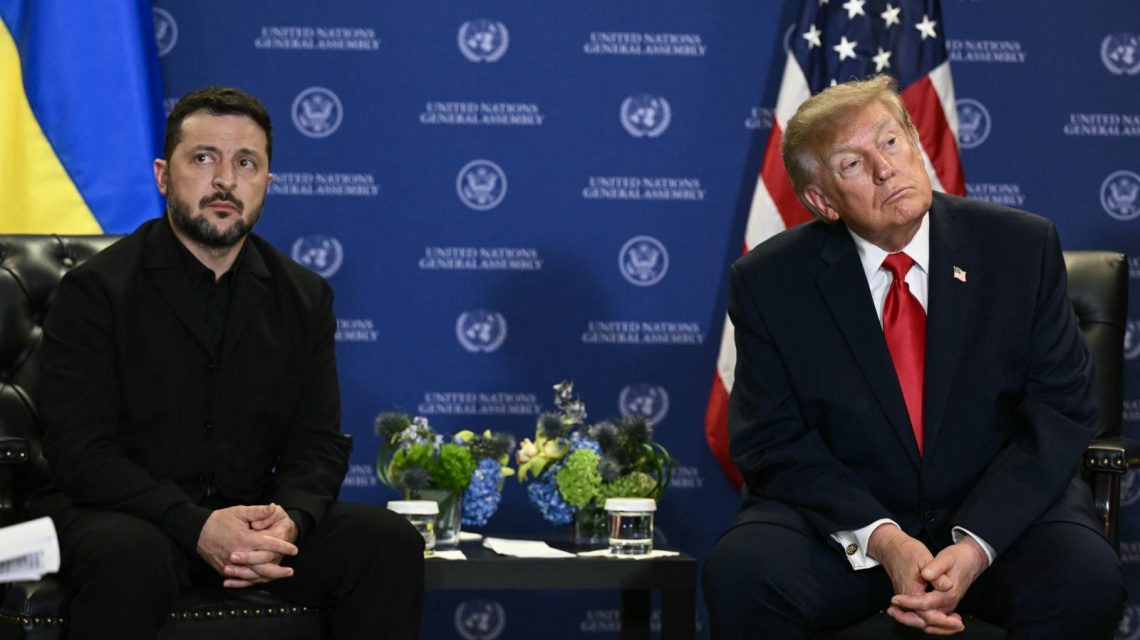
Foreign Policy as Business
Donald Trump often views foreign policy through a business lens. His belief is that allies should shoulder their responsibilities, while adversaries should pay unless they can offer deals beneficial to the United States.
Current Issues with Russia
Currently, Vladimir Putin is engaged in conflict with Ukraine and poses threats to America’s traditional allies. Meanwhile, his digital units spread false information, attempting to steer the political dialogue in America.
Despite this, the White House considers Russia as a potential partner in addressing America’s fuel crisis. Trump’s recent diesel import deal with Russia may benefit Putin more than America or Ukraine.
Ukraine’s Role and Challenges
Ukraine might be a better ally for the U.S. Recent strikes on Russian data centers reveal Ukraine’s ability to impose difficulties on Putin.
Unfortunately, Trump’s approach to the crisis seems desperate, benefiting Putin primarily.
The Diesel Deal
Following a call with Putin, Trump announced a deal where Russia would supply various amounts of diesel. The Treasury eased sanctions on Russian diesel imports until 2027.
This arrangement faces issues. In 2022, Congress banned Russian energy imports, requiring conditions for lifting the ban that Putin hasn’t met. Trump bypassed consulting Congress, inciting opposition from both parties. Senate Minority Leader Chuck Schumer criticized the deal as “a deal with the devil.”
Trump’s agreement contradicts his demands for European allies to halt Russian oil purchases and his threats to penalize China and India for supporting Russian economic interests. Recently, Trump adopted measures to further squeeze Russia’s energy profits.
Despite expecting relief at the gas pump, initial diesel supplies are insufficient to meet U.S. demand. Experts predict Russian diesel constraints due to Ukrainian drone strikes on refineries, not easing until 2027.
Ukraine receives limited options, needing to choose between its strategic drone strikes against Russian facilities or staying in Trump’s favor, risking indispensable military and intelligence support.
Digital Disruptions and Opportunities
Meanwhile, Ukraine’s drones have challenged Russia’s digital infrastructure, targeting data centers and causing payment and service disruptions among Yandex users.
These strikes affected Russian businesses using Yandex’s cloud computing, causing Yandex shares to drop significantly.
Ukraine may continue to destabilize Russia’s digital economy, similar to its efforts against energy sectors.
Fending off Disinformation
Russia invests heavily in misleading online campaigns, notably in swaying American political opinions. In 2024, the U.S. Justice Department dismantled a Russian bot farm linked to Russia’s FSB intelligence.
Russia’s campaigns manipulate perceptions before voter engagements during elections, aiming to divide views and distort discourses.
For Ukraine, identifying and attacking these disinformation networks could align with American expectations of protective contributions rather than requests for support.
By targeting Russian disinformation tactics through drone strikes, Ukraine positions itself as a defender of American democracy.
While Putin offers Washington fuel, Ukraine provides valuable defense against misinformation. Whether Trump embraces this contribution may hinge on political alignments between Russia and America.
 Federal Search at Rep. Ilhan Omar’s Home Sparks Controversy
  Costly Data Centers Expand Economic Divide in Ohio
  Supreme Court Reviews Semiautomatic Rifle Bans
  New York Police Department to Review Use-of-Force Policies Amid National Debate
  U.S. Concerns Over Chinese Espionage in America
  House Democratic Leaders Condemn Search of Omar’s Home