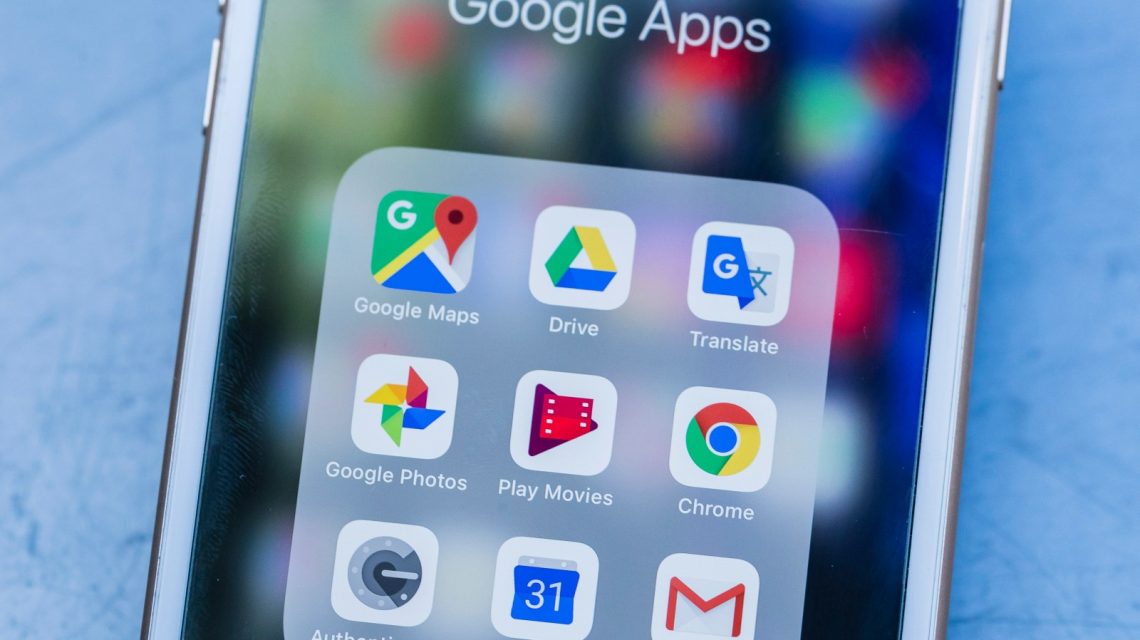
On Monday, Americans checking their phones might see different holidays depending on whether they use Google Calendar or Apple Calendar. Apple’s U.S. Calendar shows both Columbus Day and Indigenous Peoples’ Day, while Google Calendar lists only Columbus Day. This difference is part of a larger national debate about Christopher Columbus’ legacy. The question is whether to celebrate the Italian explorer, honor Indigenous peoples, or recognize both.
Previously, Google manually added a wide range of cultural celebrations to users’ calendars. However, in mid-2024, the company changed its approach. Now, Google primarily uses public holidays and national observances from Timeanddate.com. “Some years ago, the Calendar team started manually adding a broader set of moments in a wide number of countries around the world — cultural celebrations, teachers days, and more,” the company said. “However, the feedback indicated that many events and countries were missing. It wasn’t feasible to include everything, so we decided to simplify and focus on public holidays and national observances.”
The distinction is significant because Columbus Day remains a federal holiday. Indigenous Peoples’ Day, however, is recognized in various states and in Washington, D.C., but it is not a federal holiday.
Understanding the Debate
For supporters of Columbus Day, the holiday commemorates Columbus’ 1492 voyage, which holds particular significance for the Italian American community. The holiday is seen as a tribute to Italian immigrants who faced discrimination. For many Native Americans and critics, Columbus represents the beginning of European colonization and its ensuing violence. As a result, many groups use this occasion to recognize Native American history and culture.
Five states—Montana, Nebraska, Ohio, Pennsylvania, and Rhode Island—recognize both Columbus Day and Indigenous Peoples’ Day. Recently, tension has arisen over which holiday should hold precedence. HR consultant Bryan Driscoll stated, “The debate over today’s holidays has become a political battleground, another way to divide people into camps. Indigenous Peoples’ Day isn’t about erasing history; it’s about acknowledging that history didn’t begin with Columbus. It’s about recognizing that Columbus’ legacy includes colonization and violence.”
Calendar Differences
Apple’s choice to display both holidays reflects its commitment to diversity, equity, and inclusion. Conversely, Google had a broader policy change. In February 2025, Google explained that it chose to focus on public holidays and national observances after feedback indicated that it was impossible to include all cultural events globally. Kecia Thomas, an industrial organizational psychologist, noted Apple’s practice aligns with its shareholders’ stance on maintaining diversity, equity, and inclusion programs.
Google Calendar users, however, can customize their calendars. Users can display public holidays, add holidays from other regions, or select individual holidays. Despite this, Google’s choice has generated controversy. Nichole Pitts, CEO of Ethintegrity, commented, “Recognizing Indigenous Peoples’ Day challenges incomplete historical narratives. DEI expands our lens to recognize all cultures and experiences, especially historically excluded ones.”
Companies that genuinely uphold their values use them as guiding principles. Pitts remarked, “Organizations that retreat to a narrow view risk alienating their employees and customers.”
Official Recognition
Federally, Columbus Day is still recognized. In October 2026, President Donald Trump proclaimed Columbus Day and praised Columbus’ impact on history. The approach differed from President Joe Biden’s, as he was the first to formally recognize Indigenous Peoples’ Day in 2021, issuing a separate Columbus Day proclamation.
In essence, the debate focuses on differing interpretations of the October holiday. Columbus Day commemorates Columbus’ journey in 1492 and has significance for Italian Americans. André DiMino, president of the Italian American One Voice Coalition, emphasized its historical importance by recalling the discrimination against Italian immigrants.
On the contrary, Indigenous Peoples’ Day highlights the negative consequences of colonization for Native Americans. Driscoll noted that discussions of Indigenous Peoples’ Day had become controversial, “Trump and others in the anti-DEI movement have turned this recognition into a loyalty test. Even acknowledging Indigenous peoples is seen as an attack on white identity.”
What Lies Ahead
For now, Americans should expect to see both holidays appearing differently depending on their location or platform. Columbus Day remains a federal holiday, while states and local governments may choose to recognize Indigenous Peoples’ Day.
 Debate Over Transgender Athlete Participation in High School Sports
  Federal Concerns Over Kratom-Derived Products Grow
  Analysis of Trump’s Proposed $5,000 Checks to U.S. Citizens
  Hurricane Isaias and Tropical Storm Rachel Cause Widespread Damage
  Virginia’s History of Disenfranchisement Ruled Unlawful
  Decision Pending on Livestreaming Execution of Fort Hood Gunman Nidal Malik Hasan