The ongoing debate over Name, Image, and Likeness (NIL) deals and athlete eligibility has been in the spotlight. NCAA President Charlie Baker recently addressed these issues, highlighting significant developments. During ‘The Sunday Briefing,’ Baker responded to reports of college athletes acquiring million-dollar homes. This follows a bipartisan Senate vote of 74-24 on related legislation. Additionally, Baker touched on a unique local initiative: Boston’s Logan Airport held public auditions for its next announcer.
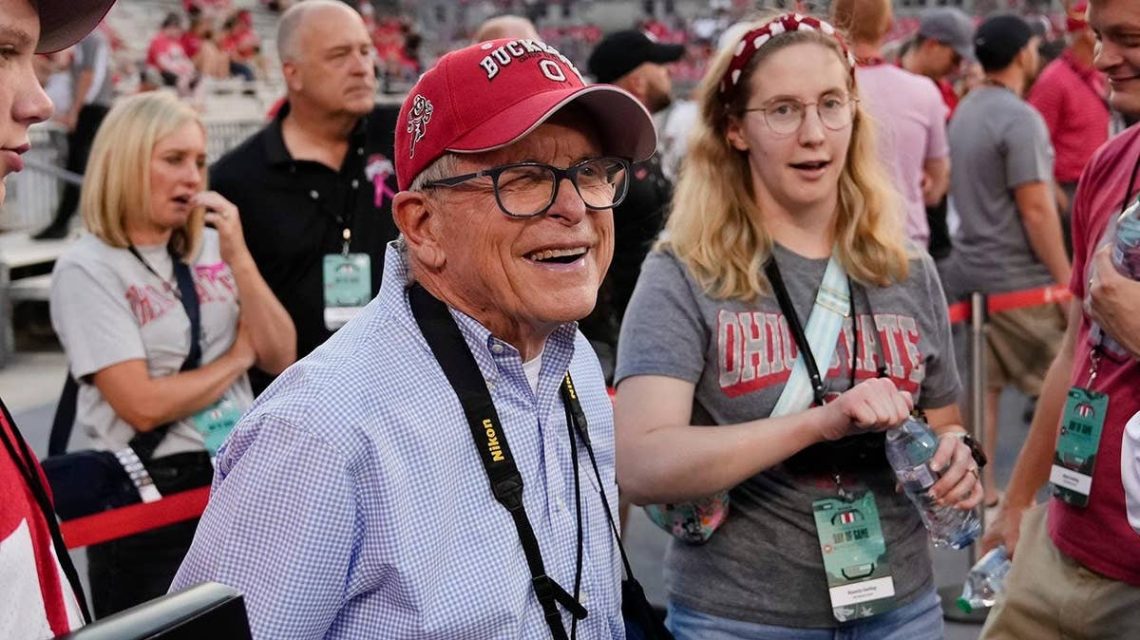
In Ohio, an executive order signed by Governor Mike DeWine allows state colleges and universities the discretion to let athletes who graduated high school in 2022 compete for a fifth season. This move conflicts with an NCAA rule barring such eligibility. DeWine stated, “When the rules change, fairness has to remain part of the equation. We want Ohio’s student-athletes to have the same opportunity as student-athletes in other states.” Ohio schools can now grant eligibility despite the NCAA’s restrictions.
Attorney Ryan Downton, representing a group of athletes in a key eligibility case in Ohio, expressed gratitude for DeWine’s decision. “We hope other governors will follow suit,” he stated, echoing sentiments reported by sources suggesting similar orders may emerge soon.
The NCAA swiftly contested DeWine’s order. Baker emphasized that DeWine “cannot legislate NCAA eligibility rules” and criticized this attempt, urging Congress to support the Protect College Sports Act. This legislation aims to create a consistent framework for athlete compensation and court challenges regarding such payments.
Despite unanimous NCAA member support for the current eligibility rules, Baker acknowledged the Ohio Court of Appeals’ agreement with their decision. Baker remarked on the significance of uniform application of these rules, cautioning against disruptions when standards vary across institutions or states.
Ohio’s executive order recalls California’s precedent-setting legislation that legalized NIL compensation, pressuring other states to follow with similar laws. This shift forced the NCAA to accept NIL deals nationwide.
Meanwhile, eligibility rule challenges continue in multiple courts. Plaintiffs argue the rules unfairly deny the class of 2022 the chance to profit from NIL deals and shared revenue under recent settlements.
The Ohio order coincided with developments in an essential case, Wisne v. NCAA, where plaintiffs claim economic harm from eligibility changes. Initially, a lower court granted these athletes a fifth year of eligibility, which the U.S. 10th Circuit Court of Appeals later blocked pending further review. The appeals court’s decision will be pivotal in similar antitrust lawsuits.
As more states consider similar orders to Ohio’s, the NCAA confronts ongoing legal challenges. Recent victories in state courts in Kentucky, Ohio, and Arizona exemplify the NCAA’s efforts to maintain its regulations. However, Ohio’s executive order signals potential for further litigation.
The Associated Press provided additional contributions to this report. Chantz Martin, a sports writer, delivers coverage for Fox News Digital.
 Michigan Wolverines Enroll Two Players Amid Court Ruling
  A Nation United in Memory of Dale Earnhardt
  Navigating Discourse Around the WNBA and Representation
 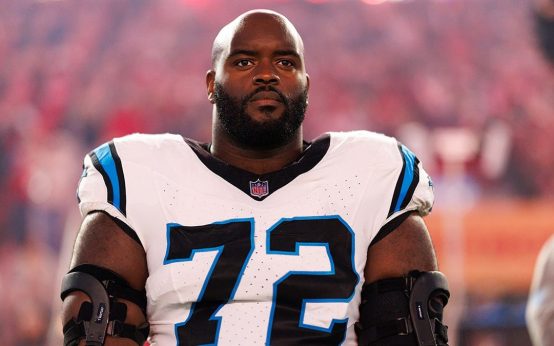 Ken Anderson and Taylor Moton Discuss Health and Football
 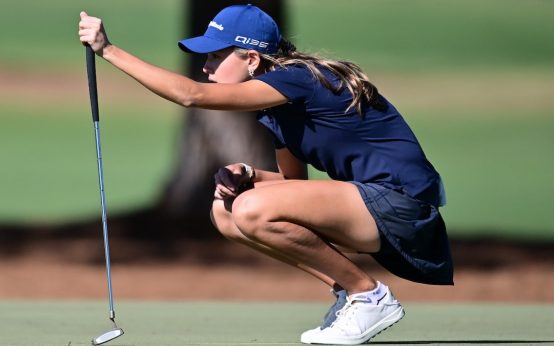 Kai Trump Faces Setback in Freshman Golf Season
 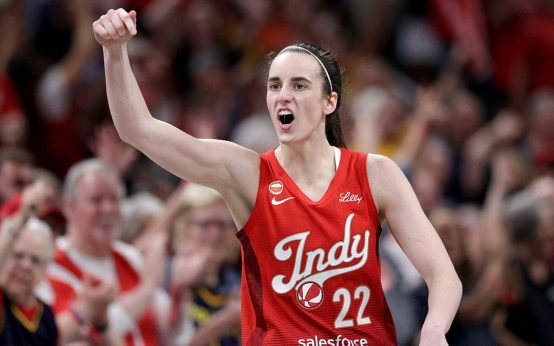 WNBA’s Record-Setting 2026 Season Driven by Indiana Fever’s Popularity