El-Sayed’s Stance on Israel and Its Implications
Abdul El-Sayed, the Democratic nominee for the Michigan Senate, made headlines with his recent remarks about Israel’s status as a U.S. ally. He stated on ABC News that he does not regard Israel as an ally of the United States, a position that has sparked controversy. El-Sayed criticized Israel for using American funds to engage in wars not in America’s interests. This stance has drawn criticism and could influence his support among Jewish voters.
His views have been under scrutiny since his victory in the Democratic nomination against U.S. Representative Haley Stevens. Groups like AIPAC heavily funded Stevens’ campaign, hoping to defeat El-Sayed. His previous comments on Gaza and association with left-wing figures have provided ammunition for Republican candidate Mike Rogers, who has accused him of antisemitism.
Electoral Dynamics in Michigan
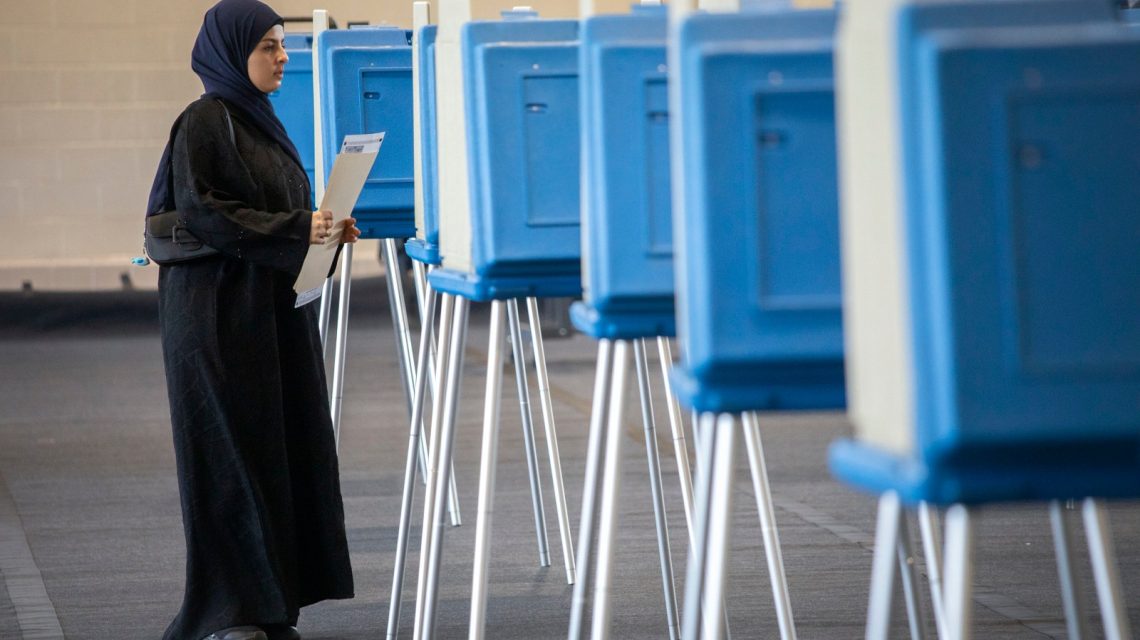
Michigan’s electoral demographics could favor El-Sayed despite potential losses among Jewish voters. The state has a significant population of registered Muslim voters, estimated at over 200,000, compared to approximately 105,000 Jewish adults. Political strategist Jim Kessler notes that Michigan has the highest percentage of Arab-American residents in the U.S., with a Jewish population less than half of that.
However, turnout rates present challenges. Jewish voters tend to participate at higher rates, while Muslim voter turnout has historically been lower. In the 2018 midterms, only half of registered Muslim voters in Michigan cast ballots, according to the advocacy group Emgage.
El-Sayed’s Appeal and Rogers’ Strategies
Mike Rogers aims to capture a significant share of the state’s Jewish Democratic votes, which could significantly alter the race’s dynamics. He previously lost a Senate race to Democrat Elissa Slotkin by a close margin and believes securing Jewish Democratic votes could be pivotal.
Despite these challenges, El-Sayed maintains a lead in the polls. His campaign targets traditionally Democratic voters and hopes to counter potential losses by appealing to key demographics like the Black and Muslim communities.
Democratic Sentiments Towards Israel
Democrats have increasingly shifted their sympathy towards Palestinians, with a Gallup survey finding 65% of Democrats favoring Palestinians over Israelis. This marks a significant change from previous years and has influenced perceptions of Israel within the party. The Biden administration’s handling of U.S.-Israel relations, particularly regarding Gaza, has faced criticism and is believed by some to have impacted Vice President Kamala Harris’s support in the 2024 election.
Antisemitism Concerns and Religious Influence
Recent incidents, like the attack on Temple Israel in Michigan, have heightened concerns about antisemitism. El-Sayed’s responses to such events have been scrutinized, and he has faced backlash for comments perceived as insensitive.
El-Sayed has embraced his Muslim identity amid Republican criticism. Trump and Rogers have both attempted to leverage his background against him, citing his family’s affiliations to point towards alleged extremism.
Despite religious tensions, economic issues dominate voter concerns. Surveys highlight that economic stability, housing, and healthcare remain critical topics for Michigan voters.
Polls and Election Outlook
El-Sayed maintains a lead over Rogers, but the race remains volatile. Recent polls show El-Sayed holding onto a slim advantage, with a RealClearPolitics average showing a 2.6-point lead. The contest could tighten, influenced by turnout and changing voter affiliations.
 France Extends Curfews Amid Ongoing Protests and Financial Challenges
 Trump Administration’s Approach to AI Regulation
 Spending Surge Shapes Midterm Elections
 Trump’s Campaign Tour and Its Effects on Texas Senate Race
 Execution of Fort Hood Shooter and Controversy Over Livestreaming
 Trump’s Rally in North Carolina Amid Political Tensions