Efforts to Revoke University Tax-Exempt Status
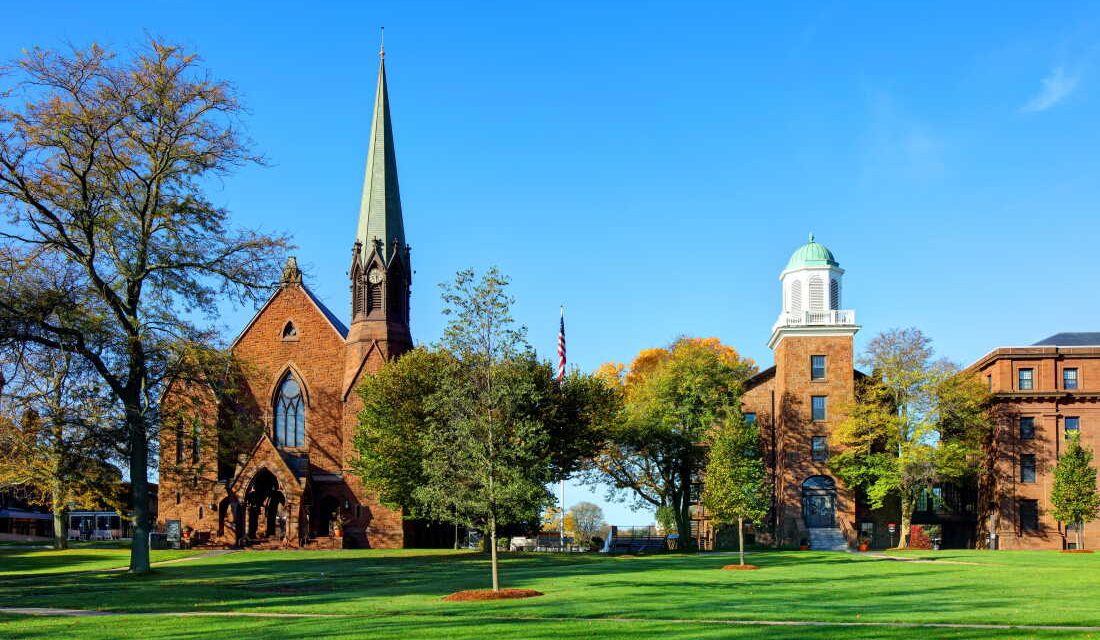
Michael Roth, president of Wesleyan University, spoke out against a proposal by the Trump administration targeting the tax-exempt status of private schools and colleges. This proposal focuses on institutions that offer race-based benefits. Roth emphasized that Wesleyan University does not plan to alter its programs in reaction to this proposal.
Roth expressed concerns that the administration is using the IRS to intimidate universities into removing programs designed to support students of color. ‘This rule from the administration is meant to frighten universities into dismantling programs that benefit students of color,’ Roth stated during an interview with Morning Edition. He described this move as ‘extraordinary overreach’ by the current administration.
Arguments and Reactions
The Trump administration argues these programs, although aimed at enhancing diversity or addressing historical discrimination, are discriminatory. It encourages schools to continue using race-neutral criteria such as income and first-generation status in their programs.
Legal uncertainties remain over whether the IRS possesses the authority to redefine racial discrimination in this manner and revoke a tax-exempt status accordingly. These uncertainties could lead to legal challenges, potentially delaying or blocking the proposal.
Wesleyan’s Stance and Potential Consequences
Roth pointed out that Wesleyan does not offer race-exclusive programs. The university provides support to first-generation and low-income students, who comprise a significant portion of its diverse student body.
The potential loss of tax-exempt status would significantly impact Wesleyan financially. Roth mentioned that institutions might modify or eliminate programs preemptively to avoid expensive legal fees. He explained this as ‘anticipatory compliance,’ where changes are made to avoid legal battles costing millions.
The Treasury Department and the IRS estimate around 18,000 private schools, colleges, and other educational entities could be impacted by the proposed rule. If it proceeds, the rule would be enacted after May 2027.
For further insights, listeners are encouraged to hear the complete interview by accessing the provided link.
 The Need for Reform in Presidential Nominations
  Controversy Surrounds Performances at Gillette Stadium
  Celebrity Controversies Over Political Activism and Speech
  Trump Pushes for Permanent Daylight Saving Time, Sharing Senator’s Contact Information
 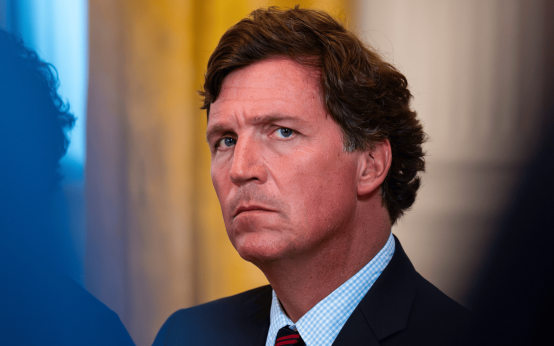 Tucker Carlson’s Comments on Britain’s WWII Decision Ignite Controversy
  Trump’s White House Ballroom Project Faces Challenges and Rising Costs