
The Trump administration is focusing on using existing criminal and civil laws to regulate artificial intelligence (AI) developers, amid growing concerns over AI’s unpredictability. However, legal experts express doubts about the adequacy of these laws to address the challenges posed by AI technology.
The administration’s “Super Intelligence (SI) Force,” under the Justice Department and Federal Trade Commission (FTC), aims to establish standards for AI firms using laws already in place. These include consumer protection authority, particularly suited for the FTC, as pointed out by Federal Trade Commission Chair Andrew Ferguson. However, some experts advocate for new laws tailored to AI’s distinct characteristics.
“People want action now,” said Chinmayi Sharma, a law professor, who highlighted the absence of consensus on the specific laws needed to address AI risks.
Recent cybersecurity incidents have heightened the focus on legal questions surrounding AI. Meanwhile, some experts argue that existing laws may not suffice for AI’s unique challenges.
For further exploration of AI’s unresolved legal issues, subscribe to The Hill Insider newsletter.
Technology and Policy: A Changing Landscape
Recent developments highlight the evolving relationship between technology and policy:
- American perceptions of tech CEOs are shifting, with a notable association between the executives of major technology companies and the Republican Party, according to a recent poll by Politico.
- China is responding to the U.S. government’s order to eliminate AI models by Chinese startup DeepSeek from federal systems, fearing potential retaliation. The Department of Homeland Security identified “multiple threat vectors” presented by DeepSeek’s AI models.
- Elon Musk has endorsed Republican Ken Paxton in the Texas Senate race, investing heavily in his campaign. Musk’s backing is part of his broader influence on political dynamics.
- Challenges in Ukraine have emerged from Elon Musk’s decision to slow down Starshield, the military version of Starlink internet, affecting Ukraine’s military responses amid ongoing Russian aggression.
Stay updated on SpaceX’s financial progress, Joel Kaplan’s departure from Meta, and other significant developments at The Hill.
Additional Notes on the Technology Sector
Former OpenAI worker Abdulrahman Alfozan, accused of surveillance allegations, planned to travel to Saudi Arabia before his arrest. The legal proceedings continue in court, emphasizing security concerns within tech firms.
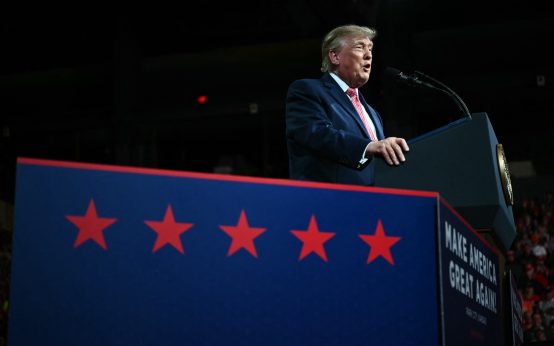 Spending Surge Shapes Midterm Elections
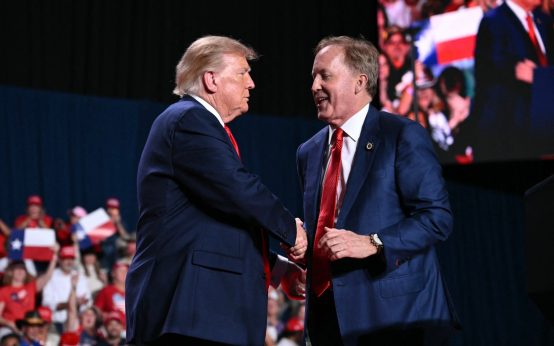 Trump’s Campaign Tour and Its Effects on Texas Senate Race
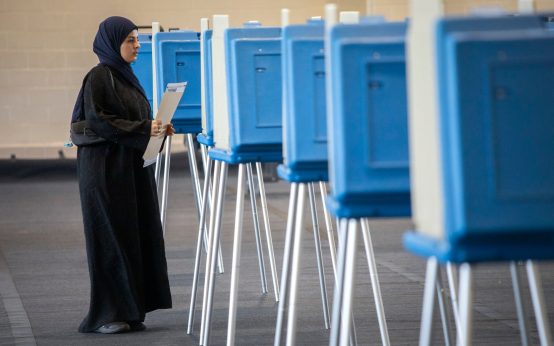 Debate Over U.S.-Israel Relationship and Its Impact on Michigan Senate Race
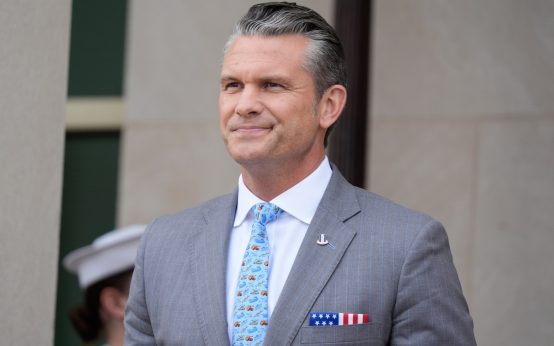 Execution of Fort Hood Shooter and Controversy Over Livestreaming
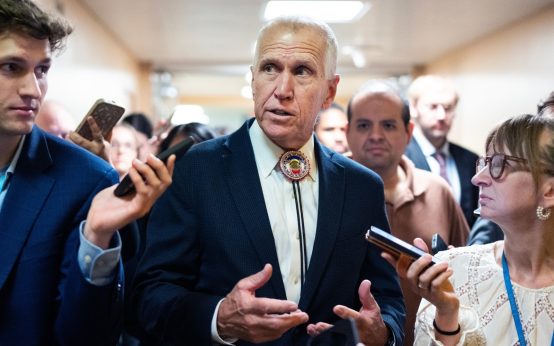 Trump’s Rally in North Carolina Amid Political Tensions
 Understanding the Impact of VPNs on Online Security and Login Processes