Legal Fallout from Botched Execution
Anesthesiologist Dr. Joel Zivot discussed the legal implications following the failed execution of Christa Pike in Tennessee. Zivot, who advised Pike’s defense team, shed light on the complications associated with the drugs used for lethal injection.
Pike remains on death row after surviving the execution attempt, creating controversy over the state’s methods.
Recent Execution in Florida
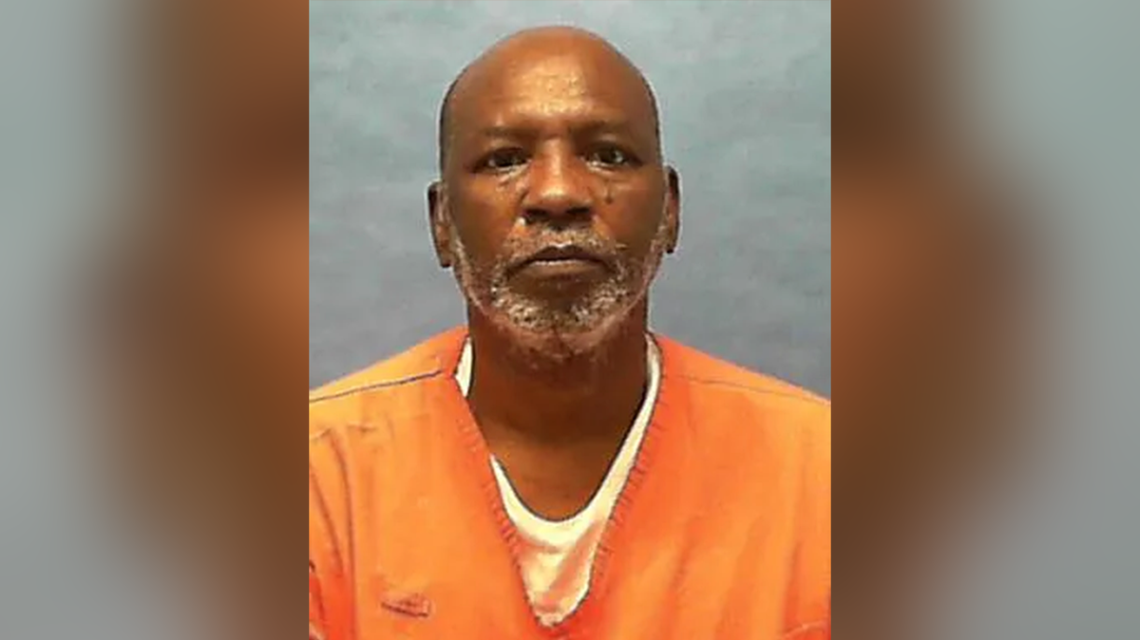
In Florida, a 77-year-old man was executed for the murder of a sheriff’s deputy committed over four decades ago. This marked Florida’s 18th execution of the year, underlining the state’s accelerated pace under Republican Governor Ron DeSantis.
William Reaves was declared dead after receiving a three-drug injection at Florida State Prison. Convicted of first-degree murder for the shooting death of sheriff’s deputy Richard Raczkoski in 1986, Reaves died without saying any final words.
Details of Reaves’ Crime
On September 23, 1986, Reaves made a 911 call from a payphone in Vero Beach. When Deputy Raczkoski responded, a struggle ensued after a gun fell from Reaves’ pants. Reaves eventually regained control of the weapon and shot Raczkoski, who succumbed to his injuries.
Reaves was initially convicted and sentenced to death. However, the Florida Supreme Court overturned his conviction due to a conflict of interest with the prosecutor. A retrial reaffirmed his conviction and death sentence.
Legal Appeals and Execution Protocol
Both the U.S. Supreme Court and Florida’s state Supreme Court denied Reaves’ appeals to halt the execution. Reaves’ legal team challenged the state’s three-drug lethal injection protocol, which includes a sedative, paralytic, and a drug to stop the heart. The courts have consistently upheld the protocol against similar challenges.
Defense attorneys indicated the jury was unaware that Reaves had been rated 100% disabled by the U.S. Department of Veterans Affairs due to PTSD linked to his Vietnam War service. Despite appeals from more than 100 military veterans, the execution proceeded.
Governor’s Stance and Execution Statistics
Florida Governor Ron DeSantis, advocating for justice for victims’ families, signed numerous death warrants since taking office. Last year, he oversaw a record 19 executions, accounting for 40% of total U.S. executions.
Florida’s execution method contrasts with Tennessee’s single-drug protocol, leading to varying experiences for inmates.
Should Jesse Guardado be executed on November 5, Florida would match its previous record for executions in a single year, illustrating its predominant role in U.S. capital punishment.
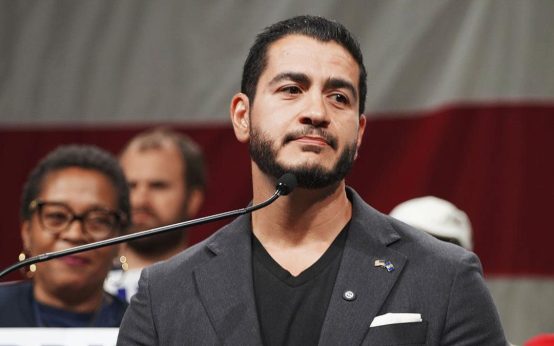 Debate on Abdul El-Sayed’s Alleged Ties and His Political Tone
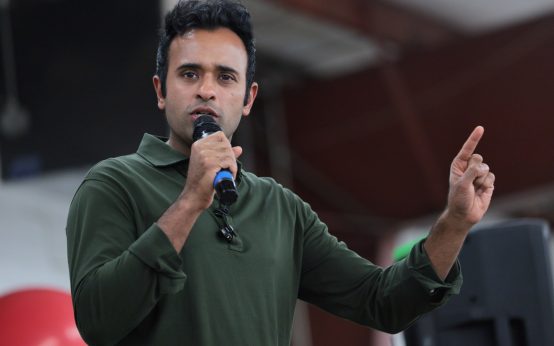 Vivek Ramaswamy’s Campaign Faces Backlash After Video Controversy
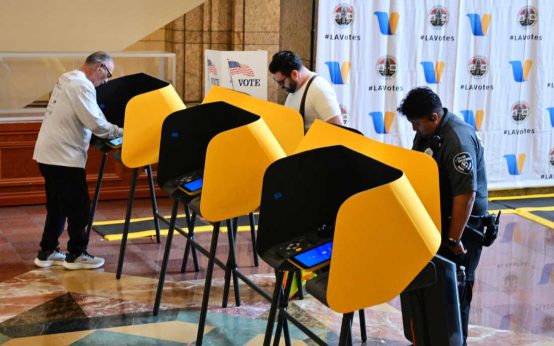 California Faces DOJ Demand Over Voter List
 American Expats in Europe Express Regret Over Move
 Bill Ackman Criticizes Democratic Party’s Direction
 Ana Navarro’s Stance on Meeting Trump