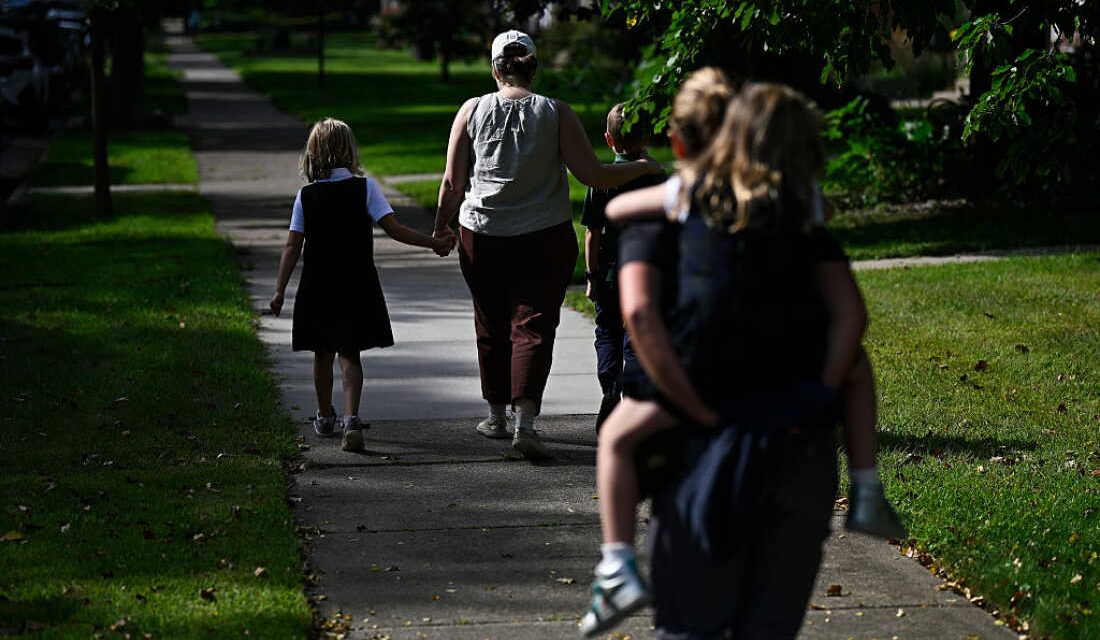
Families left Annunciation Catholic School in Minneapolis recently after a mass shooting on August 27. Events like these challenge parents to reassure their children about safety. Despite the desire to assure them “it won’t happen here,” data suggest otherwise. The American Academy of Pediatrics reports a notable increase in school shootings over recent years. CNN analysis indicates 44 incidents this year alone. Since 1999’s Columbine High School shooting, The Washington Post reports over 400 school shootings have occurred.
Each event presents parents and teachers with the challenge of calming children’s fears. So, how should you address such incidents with them? David Schonfeld, a pediatrician and director of the National Center for School Crisis and Bereavement at Children’s Hospital Los Angeles, suggests starting with children’s concerns. “Children’s questions differ from those of adults,” Schonfeld notes. Listening helps gauge how much information they require. “Understanding their concerns is the first step toward offering reassurance and addressing their worries,” he explains.
Schonfeld’s group provides guidelines for discussing tragic events with children. Common questions involve blame, prevention, or fears about similar incidents at their own school. Honest responses are important to build trust. While schools are generally safe, risks exist. Schonfeld emphasizes helping children cope with the awareness of dangers in the world.
The information you share should depend on a child’s age and their emotional response, influenced by past trauma or proximity to the tragedy. Proximity to victims can intensify emotional impacts. Regardless, patience is key when comforting children. “Young kids may need to have these discussions repeatedly,” says Melissa Brymer, director at the UCLA-Duke University National Center for Child Traumatic Stress. “Avoiding the topic can make it seem forbidden,” she adds.
The American School Counselor Association offers resources and tips for post-shooting situations. Maintaining routines is crucial, even if children are fearful; routines offer security. Limiting media exposure helps, as consuming repetitive coverage without new insights is unhelpful. Schonfeld advises disconnecting to avoid unnecessary distress.
After a tragedy, have ongoing conversations with children about managing anxiety. Books like Once I Was Very Very Scared by Chandra Ghosh Ippen are valuable for preschoolers. Each animal character experiences fear differently, illustrating varied coping strategies. Brymer highlights such books for guiding children in finding personal coping mechanisms.
For older children, channeling emotions into action can be beneficial. Schonfeld notes the natural inclination to feel anger after a shooting, but redirecting those feelings constructively is essential. Anger focused solely on responsible individuals doesn’t alleviate grief. Encouraging involvement in initiatives against gun violence offers a proactive outlet. Following the 2018 Parkland shooting, Marjory Stoneman Douglas High School students advocated for gun control, showing that action, though not a complete solution, brings change. “Kids can help solve the problem, but adults must also play a role,” Schonfeld asserts.
Continued dialogue with children prepares families to tackle future challenges. “Discussing such events helps set a foundation for future difficult talks,” Schonfeld concludes. “It encourages children to approach you with their concerns.” While these discussions are difficult, they remain an integral part of life.
 Crest 3D Whitestrips Offer Affordable Teeth Whitening at Home
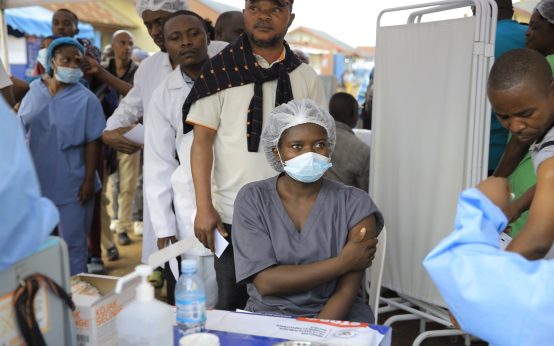 Ebola Outbreak in Africa: Current Situation and Responses
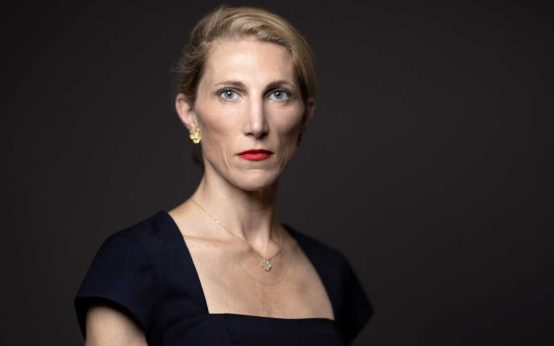 Dr. Vanessa Kerry’s Role in Building Global Health Resilience
 Nationwide Recall of Compounded GLP-1 Injections
 Trump’s Executive Order on Women’s Health Initiatives
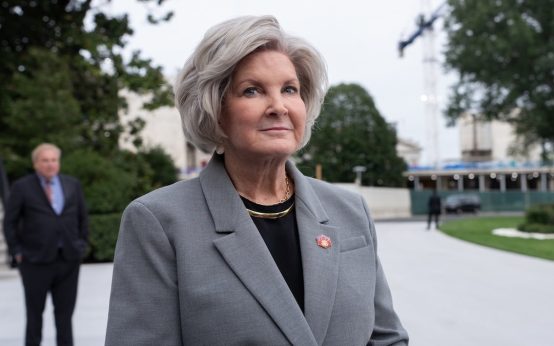 White House Chief of Staff Susie Wiles Declared Cancer-Free After Breast Cancer Battle