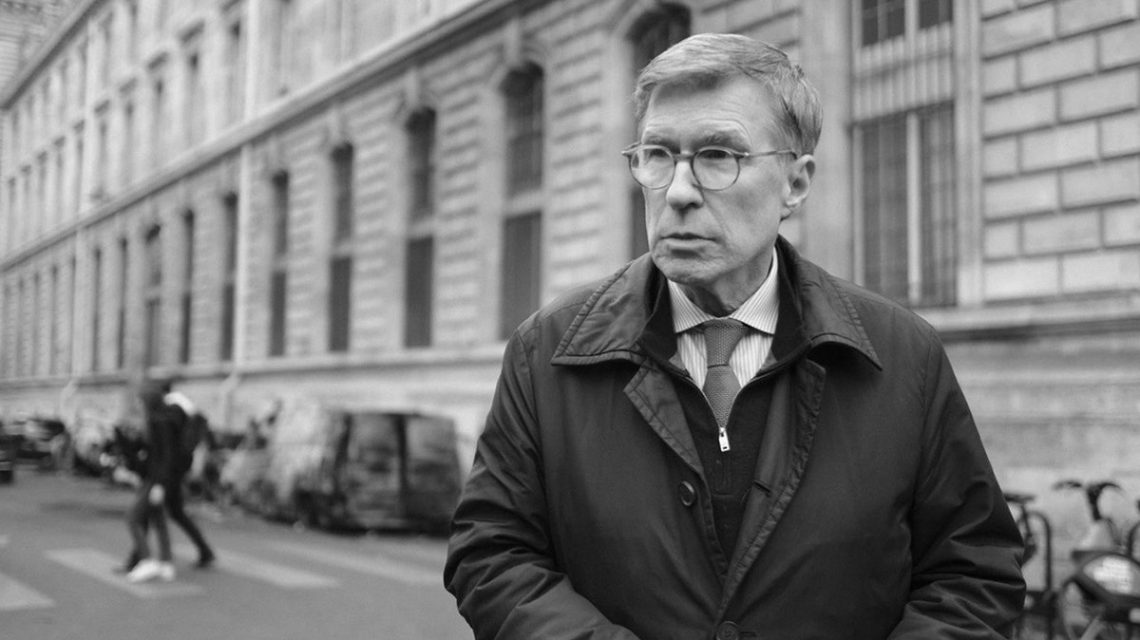
Paris is experiencing significant unrest. This time, officials and analysts believe the situation could have lasting effects on France and possibly the globe.
Having reported on protests in France for many years, I am familiar with the French street protests. The current turmoil alarms many people.
Reports from those on the ground indicate the severity of the rioting. It is more violent and destructive. Domestic unrest seems uncontrollable.
France faces a deep crisis amidst school riots. The issue extends beyond broken classrooms.
My conversation at a bar near Place de la Republique was telling. When the server learned I was an American journalist, his comment was, “So you’ve come to cover the civil war.”
Recent clashes between protesters and police led to around 2,500 arrests. About 1,000 officers sustained injuries. The protesters also suffered, with roughly 3,000 businesses damaged. Property losses have exceeded one billion dollars.
Noteworthy were attacks on government buildings. In Limoges, a historic city hall was targeted. In Marseille, it was the police headquarters. Lyon witnessed an assault on a tourist office. These incidents symbolize a French government under pressure.
Initially supporting student and economic concerns, protests were hijacked by anarchists and young criminals seeking thrills. Immigrants and foreigners mixed amid the chaos, linked to “ultra-left” groups. Yet, they remain part of a distinctly French uprising, adding to the anxiety.
The nearly decade-long governance of President Emmanuel Macron has divided France. Unfilled promises have led to unrest, with violence looming as a tangible threat.
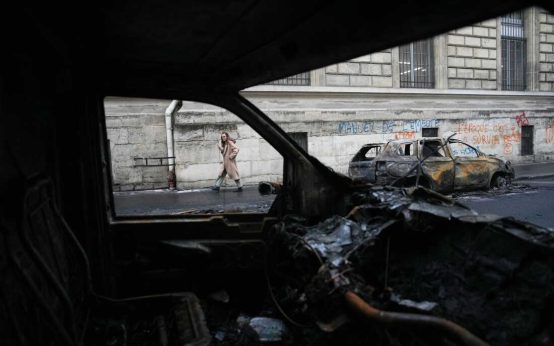
A French newspaper criticized Macron after riots broke out, calling it an “indelible stain.” Burned-out vehicles now litter the streets near Place de la République.
Government authorities have admitted parts of Paris and other cities were out of control during the violence. Shop owners had to defend themselves.
These circumstances provide fertile ground for politicians from both the left and the right. Some empathize with protesters, while others demand heightened law and order. Criticism is directed at those in power.
Upcoming presidential elections in six months mean timing is crucial. With limited funds, the current regime seems to focus on tighter security measures.
Graffitied walls by Place de la Republique reflect the ongoing strife, with authorities planning for the next protest set for this weekend.
French Prime Minister Lecornu has announced a “massive police operation,” supported by the military. Activists will choose between “violence” and the French “republic.”
This rhetoric, however, does not tackle fundamental issues impacting France and beyond. France may offer lessons on coping with inequality and scarce resources in today’s world.
Greg Palkot works as a senior foreign affairs correspondent for FOX News Channel in London, having joined the network in 1998.
 Curfews Imposed in Paris and Lyon After Major Rioting
 Prince Harry’s Renewed Plea for Reconciliation
 American Expats in Europe Express Regret Over Move
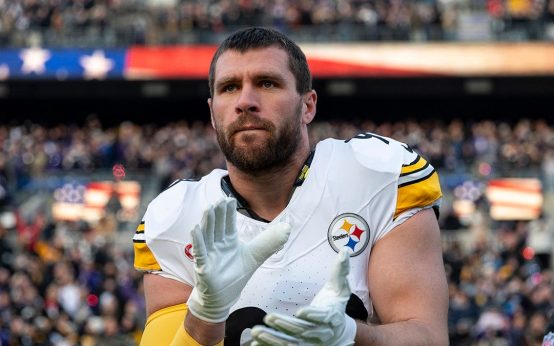 NFL’s Decision to Play in France Amid Civil Unrest Questioned
 Delta Flight and Pittsburgh Penguins Face Mid-Air Medical Emergencies
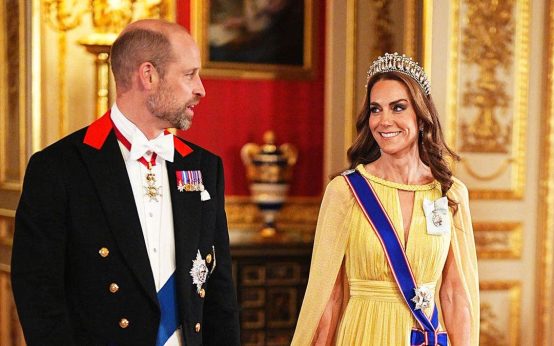 Kate Middleton Shines at State Banquet with Queen Mary’s Lover’s Knot Tiara