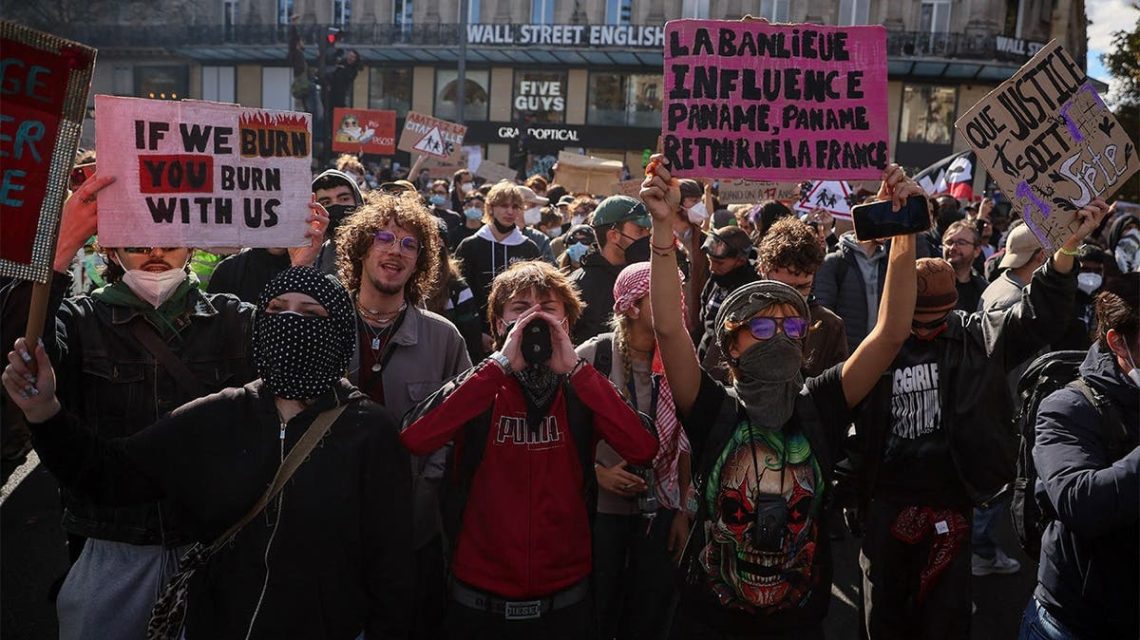
French President Emmanuel Macron has partially blamed the U.S. actions in Iran for the widespread unrest in France. During a recent televised speech, he linked the riots and looting to the economic impact of the U.S.-led conflict.
Macron stated, “Demonstrators expressed concern about the cost of living and fuel prices. Both are influenced by the Persian Gulf conflict, in which France is uninvolved but suffers its consequences.” He emphasized efforts to secure energy resources by traveling to the Gulf.
The protests drew diverse groups, including students, climate activists, former “Yellow Vests,” and farmers, amounting to 200,000 participants nationwide with 40,000 in Paris on October 17, 2026.
However, some experts, like Lisa Daftari, an Iran analyst, argued the unrest is more about organized lawlessness than economic grievances, citing widespread destruction and looting.
In response to these events, French Prime Minister Sébastien Lecornu blamed ultra-left movements for inciting chaos amid the presidential election season. Barak Seener from the Henry Jackson Society also criticized the impact of illegal immigration on European stability.
U.S. Vice President JD Vance commented on France’s immigration policies, linking them to the unrest, highlighting issues of assimilation and cultural compatibility ignored by Western liberals.
Seener further noted Macron’s political strategies might involve ignoring certain internal alliances contributing to the chaos, like the Red-Green coalition of radical leftist and Muslim groups.
Macron’s approach and international engagement concerning energy markets continue amid these tensions, drawing varying reactions from global analysts.
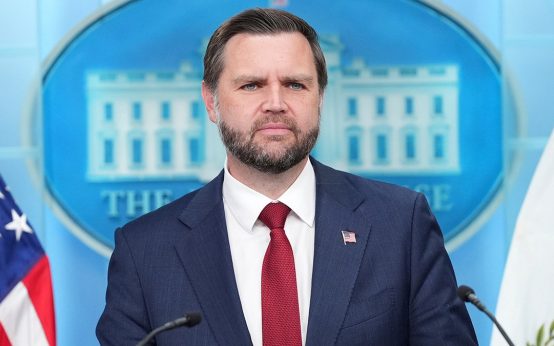 Vice President JD Vance Avoids Endorsement in Israeli Elections
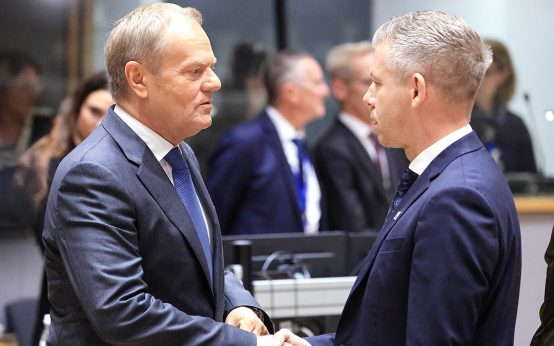 Rising Violence in Europe Sparks Political Response
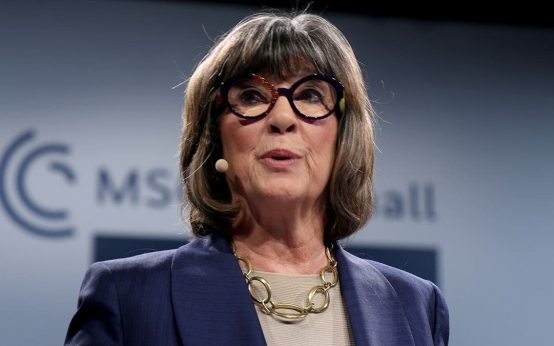 Christiane Amanpour to Leave CNN After Over 43 Years
 Actor Jordan Walker Ross Endorses James Talarico in Texas Senate Race
 Ukraine Faces Challenges as U.S. Policy Shifts
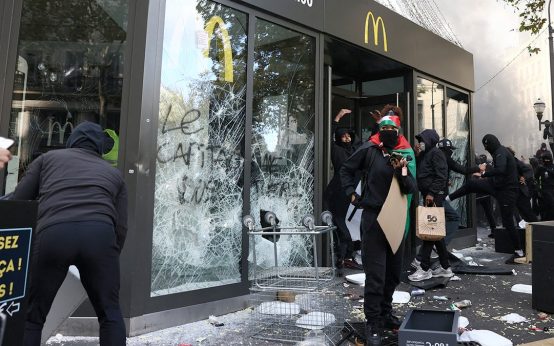 McDonald’s in Paris Damaged Amid Cost-of-Living Riots