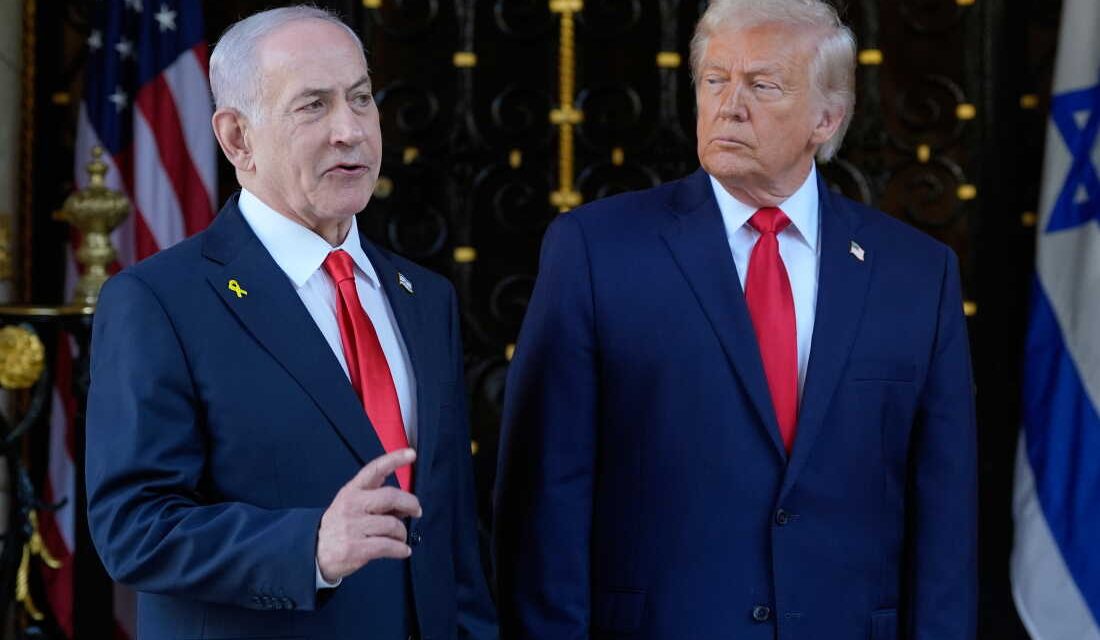
WEST PALM BEACH, Fla. — On Sunday, President Donald Trump offered his support to Israeli Prime Minister Benjamin Netanyahu as the latter faces a challenging reelection campaign. Trump’s backing comes with his widespread popularity but had been delayed for months as the two leaders’ Middle East policies diverged.
Trump praised Netanyahu in a social media post, calling him a “Great Warrior Prime Minister” and “an even greater Partner for Peace,” specifically in dealing with Iran. Israeli voters are scheduled to head to the polls on October 27, marking the first elections since the Hamas attack on October 7, 2023.
Netanyahu had emphasized his close relationship with Trump, using it as a key part of his campaign. “Thank you, President Trump, for the tremendous support and work together,” Netanyahu expressed in a statement in Hebrew shared on social media. His Likud Party released a brief video showcasing the two leaders’ shared moments and Trump’s commendations of Netanyahu.
The potential impact of this endorsement is uncertain, as the election is expected to be closely contested. Trump’s popularity in Israel remains intact, but his ceasefire proposal on the Iran conflict did not meet many of the original goals shared with Israel, leading to some disappointment among Israeli commentators.
If Israel has the wrong Leader, which would be anyone other than Bibi, America will have to do this work ourselves, and I am not inclined to do so
Trump reiterated, expressing his threat to continue actions against Iran if necessary. He also stated that if Netanyahu were not re-elected, he would hesitate to involve the U.S. further in such efforts.
Previous endorsements by Trump for Netanyahu in past elections notably included a letter to Israeli President Isaac Herzog, requesting a pardon for Netanyahu on corruption charges. Recently, Trump’s comments have been more measured, often refraining from explicitly backing the prime minister.
Despite declaring, “I’m not involved in politics anymore,” Trump remains active in endorsing U.S. politicians and has taken a similar approach with foreign leaders. His previous international endorsements include Hungarian Prime Minister Viktor Orbán, Japanese Prime Minister Sanae Takaichi, Polish President Karol Nawrocki, and leaders in Latin America.
The alliance between Trump and Netanyahu appeared stronger in the wake of joint U.S.-Israeli military actions on Iran’s nuclear facilities in 2025. However, their rapport has been tested during the ongoing conflict with Iran. Trump once criticized Israel’s early attack on an Iranian gas field and referred to Netanyahu as “crazy.” Their discord continued with Netanyahu’s rejection of Trump’s ceasefire plan for Gaza, challenging the U.S. expectation for Israel to vacate controlled territories.
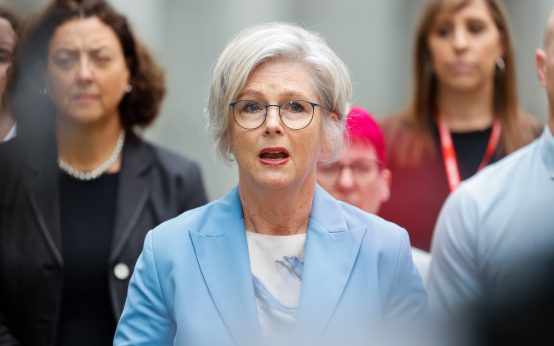 Australian Lawmaker Helen Haines Injured in Car Incident
 Calls for Action Amid Rising Violence Against Palestinian Christians in West Bank
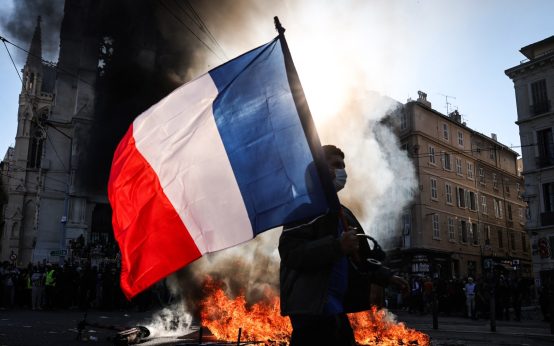 France’s Social and Fiscal Challenges Reach a Tipping Point
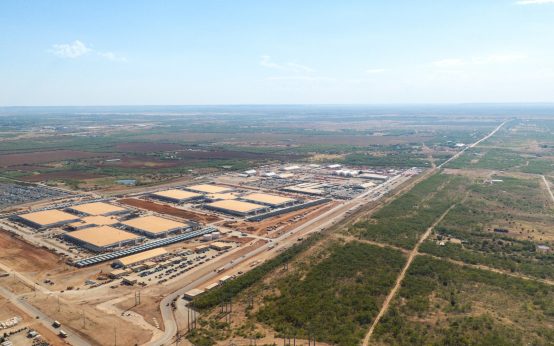 Texas Data Centers: Water Use Reporting and Political Implications
 Tensions Rise Between U.S. and Ukraine Over Intelligence Sharing and Energy Policies
 Justice Department Charges Noncitizens in California Election Dispute