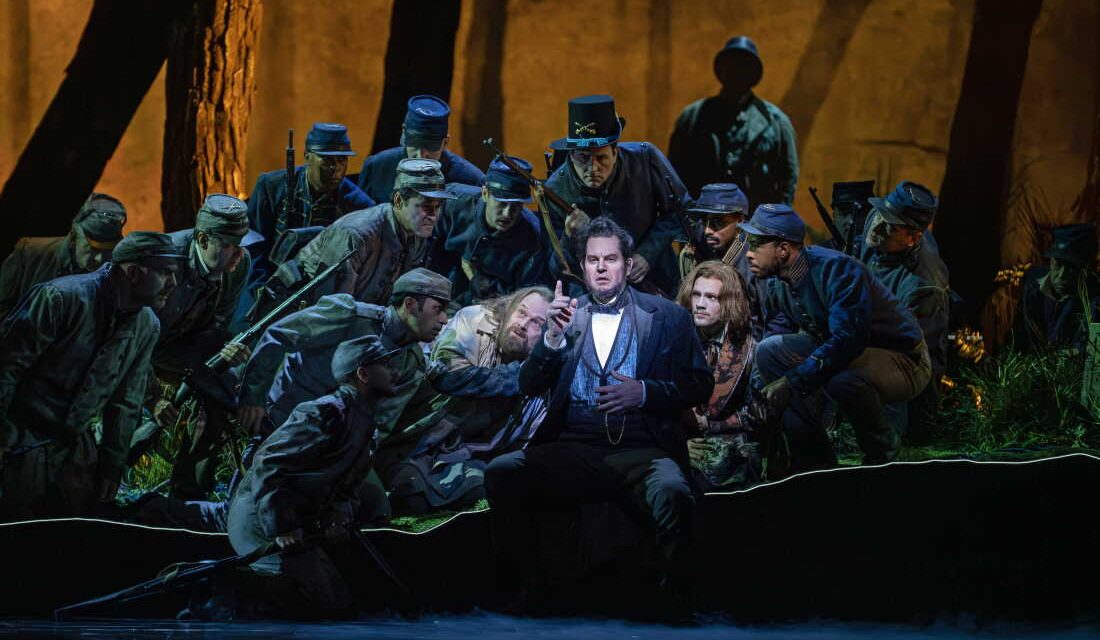
A new opera adapted from George Saunders’ acclaimed novel Lincoln in the Bardo opened at the Metropolitan Opera House in New York. It tells the story of President Abraham Lincoln grieving his son, set in a supernatural realm between life and the afterlife. The creators, led by composer Missy Mazzoli, embraced this challenging material enthusiastically.
The opera begins with a sense of otherworldliness. As the chandeliers flicker, the curtain rises to a graveyard scene where ghosts emerge, playing kazoos. Mazzoli, the first woman composer to premiere a work at the Met, notes, “Sixty-five brilliant, trained opera singers playing the kazoo.” This choice was meant to signal that the audience is not in everyday reality.
The novel by Saunders features 166 narrators during the Civil War era. It follows Willie Lincoln, trapped in a liminal space with spirits unaware of their own deaths. A grieving Lincoln visits his son’s resting place, observed by these spirits. Mazzoli describes the story as “surreal, with one foot in reality,” making it suitable for the operatic stage.
Librettist Royce Vavrek, working with Mazzoli, focused the complex narrative on five characters, maintaining Saunders’ imaginative spirit. Among them is the Reverend, played by soprano Christine Goerke. This character understands his state in the bardo and aids other souls, including Willie Lincoln. “The opportunity to save Willie and help Lincoln is what he has done in his life,” Goerke mentioned.
Director Lileana Blain-Cruz tackled the unique staging challenges, such as souls entering other souls and characters moving through realms. Techniques include puppets, pyrotechnics, and stage magic. Mazzoli describes orchestration creating “explosive orchestral moments,” depicting the spirits’ transition, termed “matterlightblooming.”
Lincoln’s journey reflects his grief and resolve to end the Civil War. Mazzoli noted, “This experience in the graveyard gives him the strength and compassion to commit to healing the country.” Despite its theme of death, Blain-Cruz assures audiences of the story’s vitality and joy amid grief.
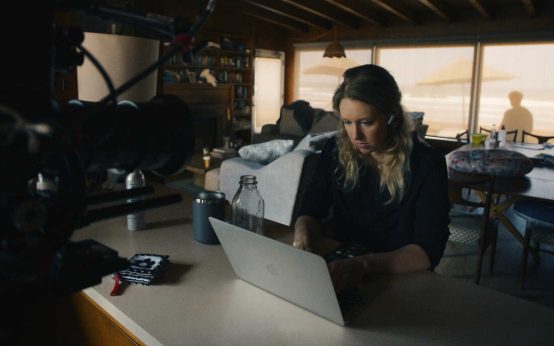 Intriguing Insights from ‘You Can See Everything’ Documentary
 Victoria’s Secret Runway Show: High Cost and Glamour
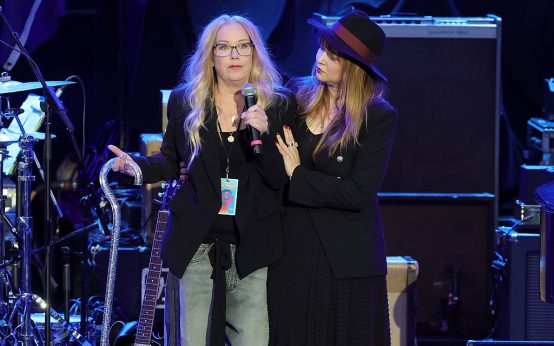 Christina Applegate Misdiagnosed with Multiple Sclerosis
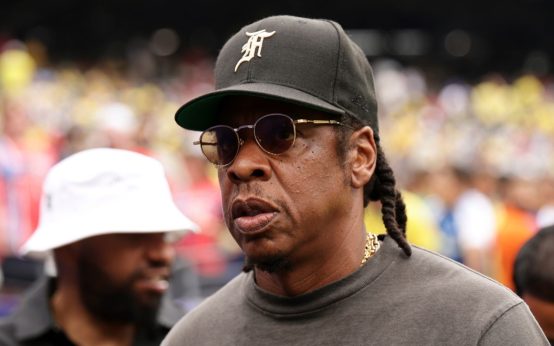 Jay-Z Favored for Super Bowl LXI Halftime Show
 Larry David’s Encounter with OJ Simpson on a Fateful Day
 Christina Applegate’s Health Struggle Continues Amid Misdiagnosis