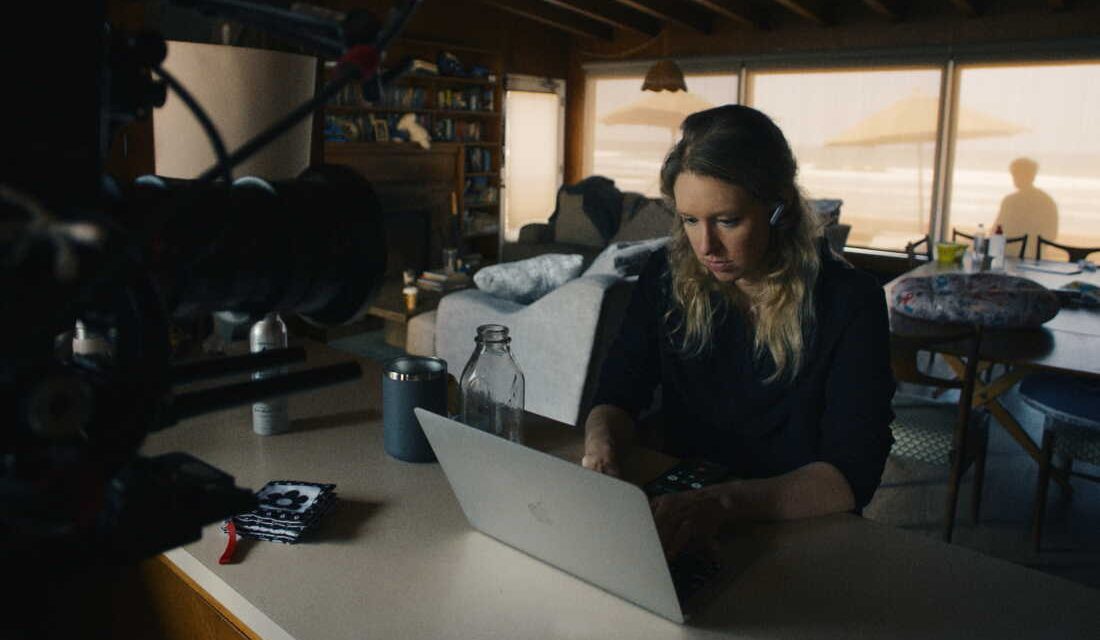
Elizabeth Holmes once held the title of the youngest self-made billionaire in the United States, only to experience a dramatic fall from grace. The new documentary, You Can See Everything, offers a fresh perspective on her story. This film, which garnered attention during its secret screening at the Telluride Film Festival, is widely praised as one of the most intriguing cinematic experiences of the year. The documentary’s impact is amplified if you approach it with little prior knowledge.
Holmes achieved fame in 2014 by claiming to revolutionize healthcare through her startup, Theranos. Yet, journalists exposed these assertions as unfounded, leading to a 2022 conviction for four counts of fraud and a sentence exceeding 11 years in prison. Previously, her narrative was explored in the documentary The Inventor and the miniseries The Dropout, which earned Amanda Seyfried an Emmy. However, You Can See Everything delves into a unique layer of cinematic exploration.
The film begins in 2023, when Nathan Fielder, known for his inventive docu-comedy series like Nathan for You, receives an invitation to capture Holmes’ final weeks of freedom before imprisonment. Alongside co-director Lance Oppenheim, Fielder films Holmes at her San Diego beach house, where she stays with her partner, Billy Evans, and their children.
The documentary’s title signifies Holmes’ offer of complete access and transparency. Nevertheless, the filmmakers question her motivations. Is she seeking to reshape her public image as a devoted mother and partner? The mystery intensifies when she collaborates with Fielder, who is renowned for discomforting comedy. Through interviews, Fielder attempts to unearth Holmes’ contradictions and evasions, capturing her in hypnotic close-ups that suggest hidden complexities.
Fielder and Holmes both exhibit manipulation skills. Fielder creates intricate comedic setups to reveal deeper truths, whereas Holmes seems trapped by delusions or pathological dishonesty. At one point, Holmes claims she has never lied, appearing to believe it sincerely. Fielder’s pursuit of answers leads them into engaging scenarios. When Holmes insists on the potential functionality of her machines, Fielder cleverly introduces the iconic “Who’s on First?” routine to explore her understanding of humor and reality.
Another scene involves Holmes and Evans viewing The Dropout, causing Holmes visible discomfort as she confronts earlier actions. As Holmes prepares for prison, the documentary shifts its lens to Evans, unveiling new layers to his character. A pivotal figure emerges, triggering unexpected developments.
Despite engaging with artifice, Fielder examines his presence in ways that surpass many conventional documentaries in honesty. Co-director Oppenheim contributes artistically, bringing visual mastery evident in his previous works such as Primetime and Some Kind of Heaven. This results in You Can See Everything being visually striking and hauntingly composed.
Experiencing the documentary on a large screen in a full theater enhances its impact. Each frame, clear yet mysterious, invites profound reflection and leaves viewers pondering the enigmas within.
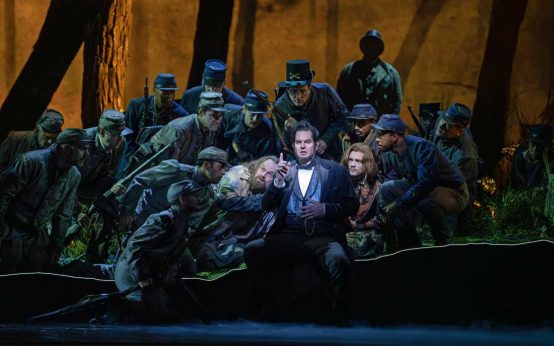 Lincoln in the Bardo Opera Debuts at the Met
 Victoria’s Secret Runway Show: High Cost and Glamour
 Christina Applegate Misdiagnosed with Multiple Sclerosis
 Jay-Z Favored for Super Bowl LXI Halftime Show
 Larry David’s Encounter with OJ Simpson on a Fateful Day
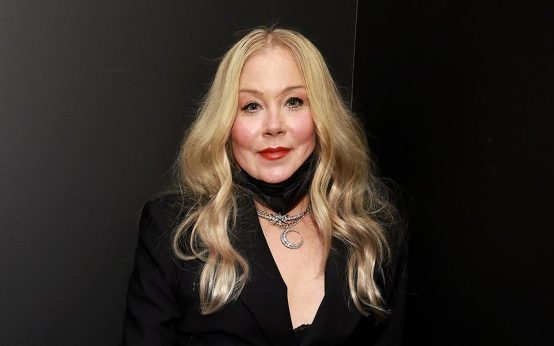 Christina Applegate’s Health Struggle Continues Amid Misdiagnosis