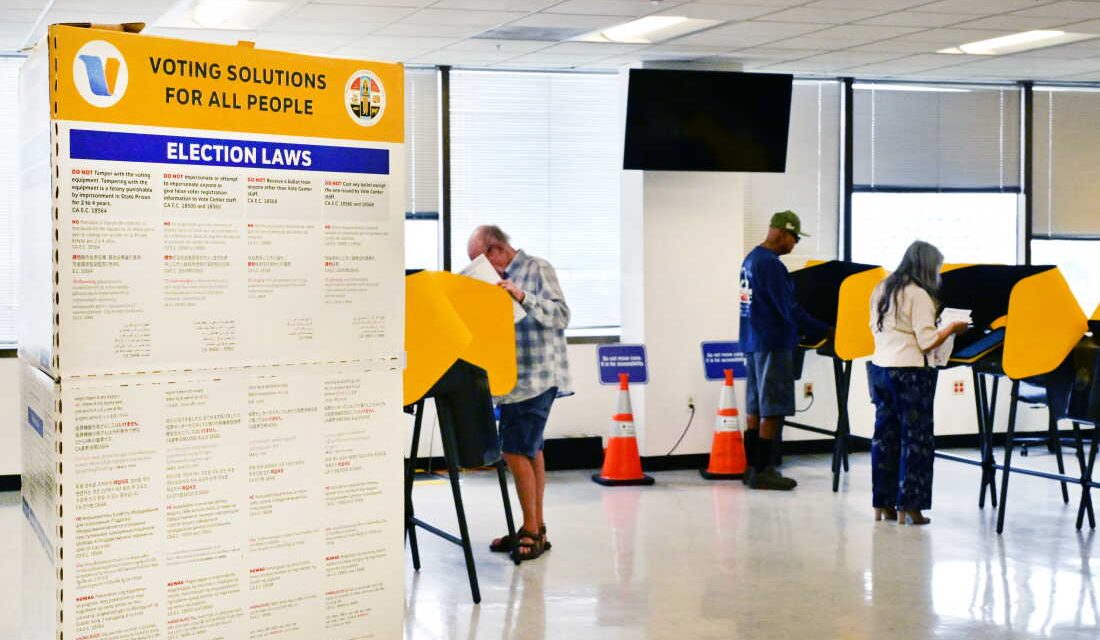
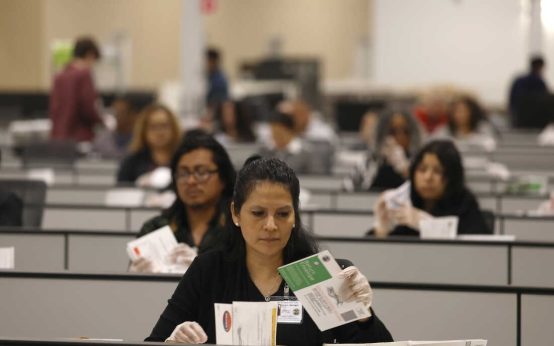
On June 1, 2026, voters in Norwalk, California, participated in early voting for the state’s primary election. The Department of Justice (DOJ) has charged 28 green card holders in California for alleged illegal voter registration or participation in U.S. elections, intensifying the clash with California officials over the state’s voting system.
The DOJ announced the charges on Monday, marking a further escalation that could persist beyond Election Day. Alongside these charges, the DOJ filed an emergency request to halt California from processing ballots from individuals on the voter rolls whom they claim are ‘likely noncitizens.’ Despite requests, California has not received specific information on the federal government’s conclusions.
Acting Deputy Attorney General Trent McCotter stated at a press conference that the Justice Department would not ignore noncitizens voting in federal elections. In contrast, he criticized California and L.A. County for not sharing the same stance. Historically, noncitizen voting has not been a widespread issue, but the Trump administration continues to focus on ineligible voting cases, issuing regular charges as early voting begins in many states.
This confrontation escalated with a DOJ demand last week to investigate a list of 20,000 names, accompanied by a 48-hour deadline. When California officials declined, the federal government took legal action. McCotter later warned California officials that they could face criminal prosecution for knowingly processing ballots from individuals identified as noncitizens. President Trump commented on Truth Social, suggesting severe penalties for those officials.
These developments have raised concerns among local officials and election experts about potential actions undermining midterm election results. Rick Hasen, an election law expert from UCLA, highlighted risks like disenfranchising eligible voters and eroding voter confidence, especially given that this narrative frames noncitizen voting as more significant than evidence suggests.
Across the nation, local officials are closely monitoring these events, fearing similar federal actions in tightly contested regions. Dana Lewis from Arizona noted that any impact on another jurisdiction prompts national concern, recalling the reaction to an FBI raid in Georgia earlier in the year.
New Charges in California
The 28 charged individuals are green-card holders, according to DOJ officials, and appeared on the list provided to California last week. Although some have not voted, many are accused of making false statements in their naturalization applications. Research points to bureaucratic errors rather than intentional fraud as a common cause of noncitizen voting.
In recent DOJ actions, 113 noncitizens across 20 states faced voting and registration crime charges. UCLA’s Hasen argued these charges exaggerate the issue of noncitizen voting compared to California’s 20 million registered voters. He emphasized that even if all allegations were true, they are minuscule compared to the overall voter base.
Polling indicates a significant portion of the public anticipates immigration enforcement at polling places, despite federal legal prohibitions. Non-white voters especially fear scrutiny by immigration authorities. Dean Logan, L.A. County’s voting official, urged voters to prioritize participation despite misleading information and litigation.
DOJ’s Unprecedented Request
The DOJ’s request to block California and L.A. County from processing certain ballots is unprecedented. California has criticized the request as unlawful, noting a lack of confirmation on the noncitizen status of listed voters. They argue such actions violate both federal and state laws protecting voting rights.
The National Voter Registration Act prevents states from removing ineligible voters close to an election to avoid errors that disenfranchise eligible voters. Questions linger about the Trump administration’s method for identifying ‘likely noncitizens.’ The DOJ cites a 20,000 figure based on data cross-referenced by federal agencies despite state resistance to sharing full voter roll information.
Thus far, 26 federal judges have dismissed DOJ’s data demands nationally. The DOJ’s recent court filing emphasized the urgency to prevent counting these ballots to protect legal voters’ rights. Voting and civil rights organizations challenge the legitimacy of the DOJ’s actions, suggesting political motives and future electoral challenges more than immediate legal success. Hasen predicts the lawsuit against California will not proceed, noting state control over election administration as constitutionally supported.
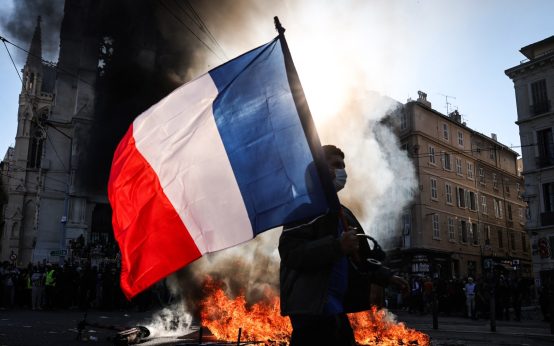 France’s Social and Fiscal Challenges Reach a Tipping Point
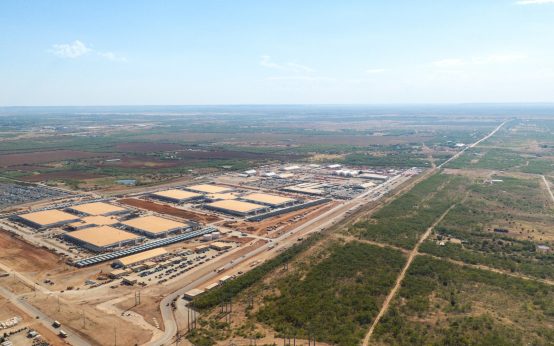 Texas Data Centers: Water Use Reporting and Political Implications
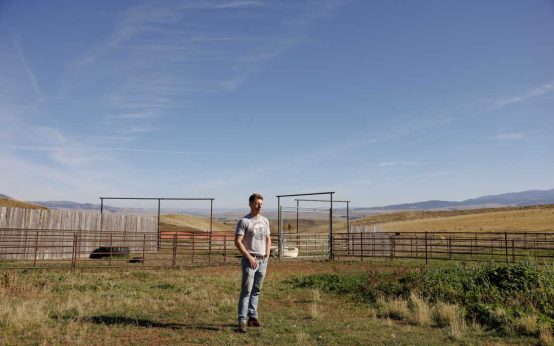 Democratic Candidates Aim to Reclaim Political Ground in Montana
 Trump Endorses Netanyahu Amid Israeli Election Campaign
 Challenges of Vote Counting and Delayed Election Results
 Alberta Votes to Remain Part of Canada, Supporting National Unity