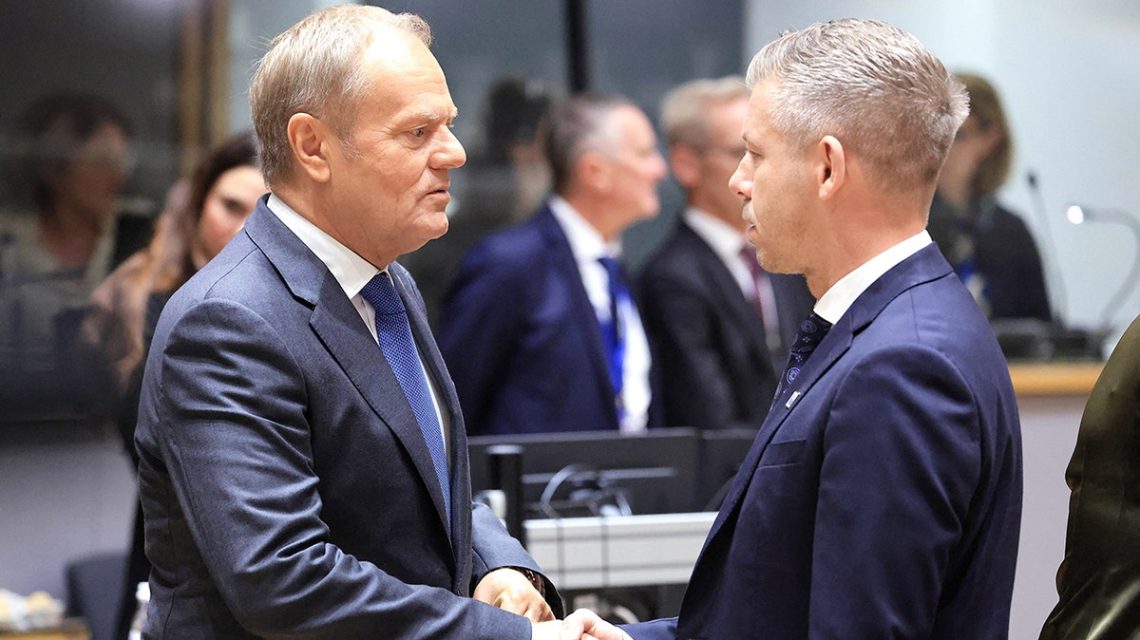
Dr. Qanta Ahmed, a fellow at the Independent Women’s Forum, highlights increasing violence in Europe. Pro-Palestinian and communist groups confront police, leading to over 800 arrests for looting and arson in France. Ahmed examines cultural and political changes fueling protests in European cities.
Images of destruction in France and Italy impact leaders in Hungary and Poland. They focus on migration issues instead of addressing unrest. Both countries prioritize controlling immigration despite EU criticisms. Hungary under former Prime Minister Viktor Orbán, and Poland are sanctioned for strict policies.
According to Eurostat, data from 2025 shows France hosts nearly 10 million foreign-born people, Italy about 7 million, Poland around 1 million, and Hungary under 700,000. Poland and Hungary mainly receive EU foreign-born residents. About half of Poland’s foreign-born population comes from Ukraine.
Reacting to the chaos, Hungary’s Prime Minister Péter Magyar emphasizes strict migration policies on X, a sentiment supported by Poland’s Prime Minister Donald Tusk, who insists on preventing repeats of other countries’ mistakes in handling illegal immigration.
Political scientist Daniel Schatz comments on the use of violence in France as a political tool in Central and Eastern Europe. He suggests leaders advocate tougher immigration controls, linking chaos abroad to their policies. Eurostat reports France had a high crime rate in 2024, with other countries like Italy, Poland, and Hungary reporting lower rates.
Boštjan Udovič, Chair of International Relations at the University of Ljubljana, notes France’s unrest ties to issues of immigrant integration. He and Schatz both emphasize the political message conveyed by Polish and Hungarian leaders against liberal immigration policies.
In recent European discussions, Magyar and Tusk criticize previous permissive policies and call for consensus on stricter approaches. They argue for preserving Europe as a safe haven, resonating with broad national support.
Meanwhile, former Polish Prime Minister Mateusz Morawiecki aligns with Tusk’s views, advocating for comprehensive safety solutions. Á. Félix Debrenti, a Hungarian Atlantic Council member, acknowledges support for tough immigration stances under Magyar’s leadership. He warns against losing political ground by neglecting such policies.
Prime Minister Magyar emphasizes distinguishing between peaceful protest and destructive violence, supporting lawful demonstrations as a democratic right. Tyler Speicher, an American journalist in Slovenia, reports from his extensive experience, including work for New York news and Fox News Channel.
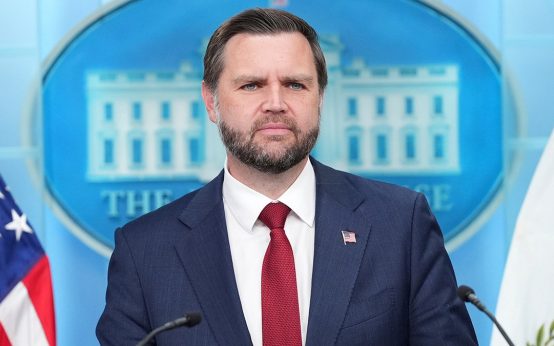 Vice President JD Vance Avoids Endorsement in Israeli Elections
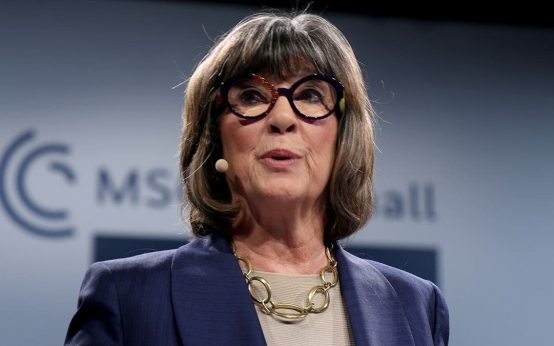 Christiane Amanpour to Leave CNN After Over 43 Years
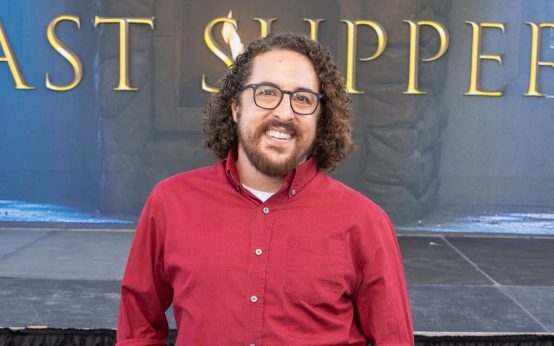 Actor Jordan Walker Ross Endorses James Talarico in Texas Senate Race
 Ukraine Faces Challenges as U.S. Policy Shifts
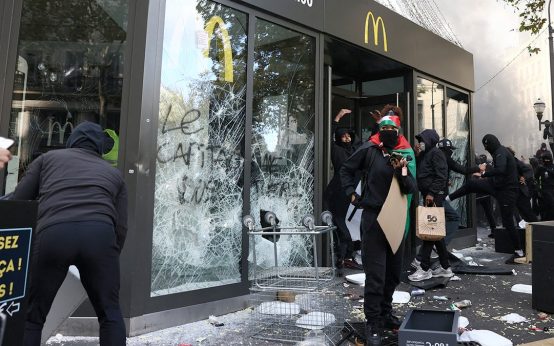 McDonald’s in Paris Damaged Amid Cost-of-Living Riots
 Former OpenAI Engineer Faces Charges for Allegedly Planting Listening Devices with Foreign Connections