
The annual adjustment for daylight saving time has important implications for road safety. Specifically, the one-hour time shift leads to more drivers being on the road during the hours when deer are most active. This increased overlap raises the likelihood of accidents involving deer.
According to research, deer are particularly active during dawn and dusk. These periods are when the change in light conditions can make them less visible to drivers. The alteration in timing due to daylight saving results in more vehicles sharing the roads with wildlife during these hours.
The timing of this hour change influences not only human activity but animal behavior as well.
Authorities and transportation departments often see an increase in deer-vehicle collisions following the fall time change. Increased driver awareness and caution are essential during this period. It is advisable for drivers to be particularly alert when driving in areas where deer populations are known to be high.
Practical steps can be taken to reduce these incidents. Drivers should maintain a vigilant lookout for deer crossing signs, reduce vehicle speed in high-risk areas, and be prepared to stop suddenly if a deer is spotted near the road.
While the one-hour shift might seem minor, its effects are significant. Both human and wildlife activities adjust, resulting in conditions that can lead to more accidents on the road.
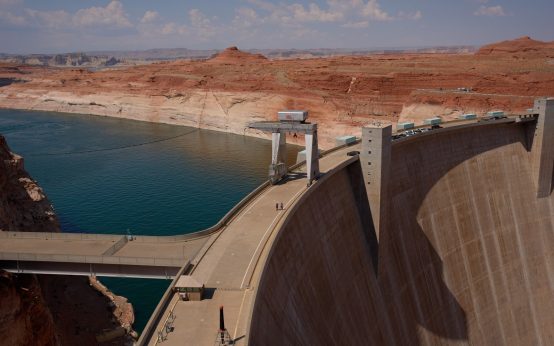 Record Low Hydropower Output in the Southwest
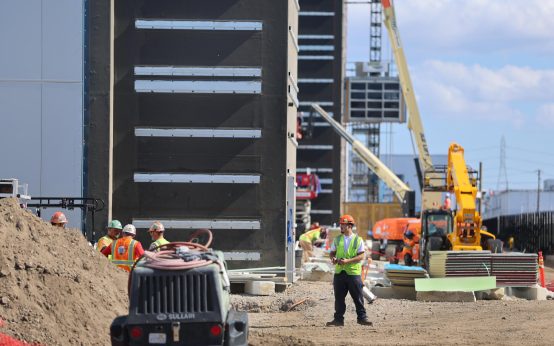 Data Centers Face Challenges in Vernon, Los Angeles
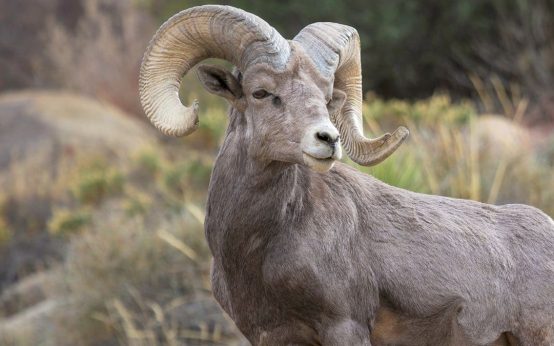 Rams Captured Relaxing in Residential Area
 Global Climate Finance and the Developing World: A Turning Point
 Hidden Plastics in Everyday Items
 The Final Journey of the SS United States