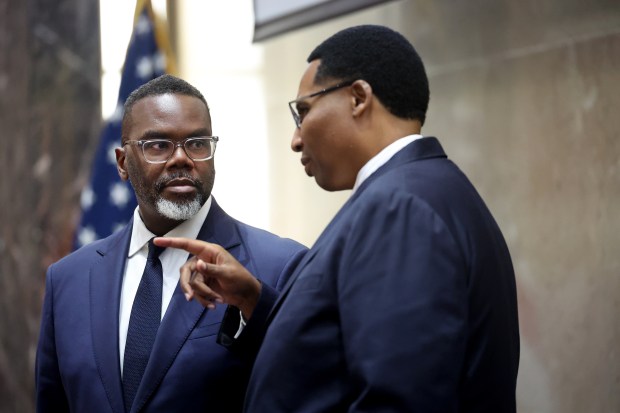
Aldermen in Chicago voted on Wednesday to freeze the ‘One Fair Wage’ ordinance, pausing required wage increases for tipped workers such as waiters who are paid below the city’s minimum wage. The City Council’s decision halts these increases for at least two years. This decision, supported by a veto-proof majority with only one alderman opposing, does not signal the end of the battle. It likely previews further efforts by the restaurant lobby to completely stop the raises.
The outcome marks a significant setback for Mayor Brandon Johnson, impacting his working-class agenda. Despite the decisive vote limiting his options, Johnson framed the decision as a thoughtful compromise, stating he would not veto it. He expressed dissatisfaction with the change but was encouraged by the dialogue and compromise.
We’re not going to sit here and act like what just happened isn’t problematic. My preference would always be to ensure that raises happen … but in the end, this is the compromise that folks agreed upon.
Previously, in March, aldermen had voted to stop One Fair Wage indefinitely, a move Johnson vetoed, arguing that subminimum wage has roots in historic injustices. The current compromise delays the annual pay increases for tipped workers for two years at large restaurants and four years at smaller ones. This package has garnered enough council support to override a potential mayoral veto. Both the One Fair Wage national campaign and the Illinois Restaurant Association have reluctantly accepted the deal.
Alderman Walter “Red” Burnett, who spearheaded the freeze, argued it was necessary to save jobs in restaurants already facing financial challenges. Alderman Gilbert Villegas echoed this sentiment, stating the need to address rising food costs and taxes.
It’s okay to say, ‘Hey, we tried this, it didn’t work. Let’s pause for a second, and let’s fix this and allow the economics to play out here.’
Despite these positions, Alderman Jessie Fuentes, an advocate for the measure, expressed heartbreak but voted for the freeze. She urged aldermen not to block future raises after the delay.
Allow this to be the last time that we litigate this. Let businesses have the beat, and then let’s give our workers the raises they deserve.
Alderman Jason Ervin, floor leader for Johnson, criticized the freeze, calling it an economic and moral failure that would disproportionately impact Black Chicagoans.
The ordinance initially passed in 2023, increasing subminimum wages from $9.48 to $12.62 an hour and planned further increases through 2028. However, the recent measure changes this timeline, keeping wages frozen at large restaurants until 2028 and smaller ones until 2030. Afterward, the ordinance will continue to be implemented gradually. The Illinois Restaurant Association is expected to continue opposing the elimination of the subminimum wage.
In other council activities, an ordinance honoring Rev. Jesse Jackson with several voting rights measures passed alongside a $2.25 million settlement with Access Living over allegations of discrimination against disabled individuals. The Council also authorized a $55 million tax break for a major development near the United Center and approved various appointments.
 Sen. Cotton Opposes Permanent Daylight Saving Time
 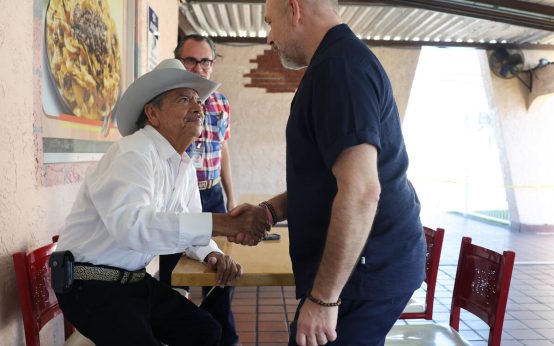 Steve Hilton’s Latino Outreach and Gubernatorial Ambitions
 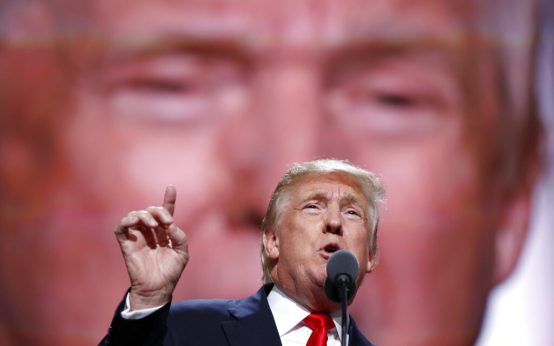 The Need for Reform in Presidential Nominations
 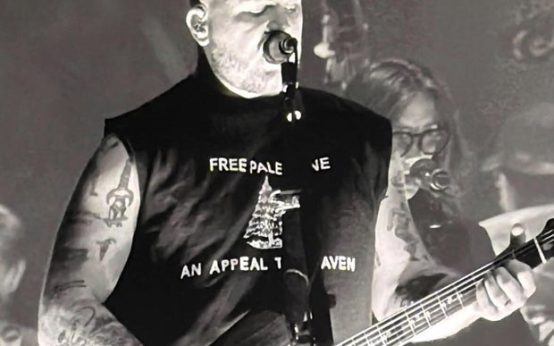 Controversy Surrounds Performances at Gillette Stadium
  Celebrity Controversies Over Political Activism and Speech
  Trump Pushes for Permanent Daylight Saving Time, Sharing Senator’s Contact Information