Impact of Rising Gas Prices on Social Security
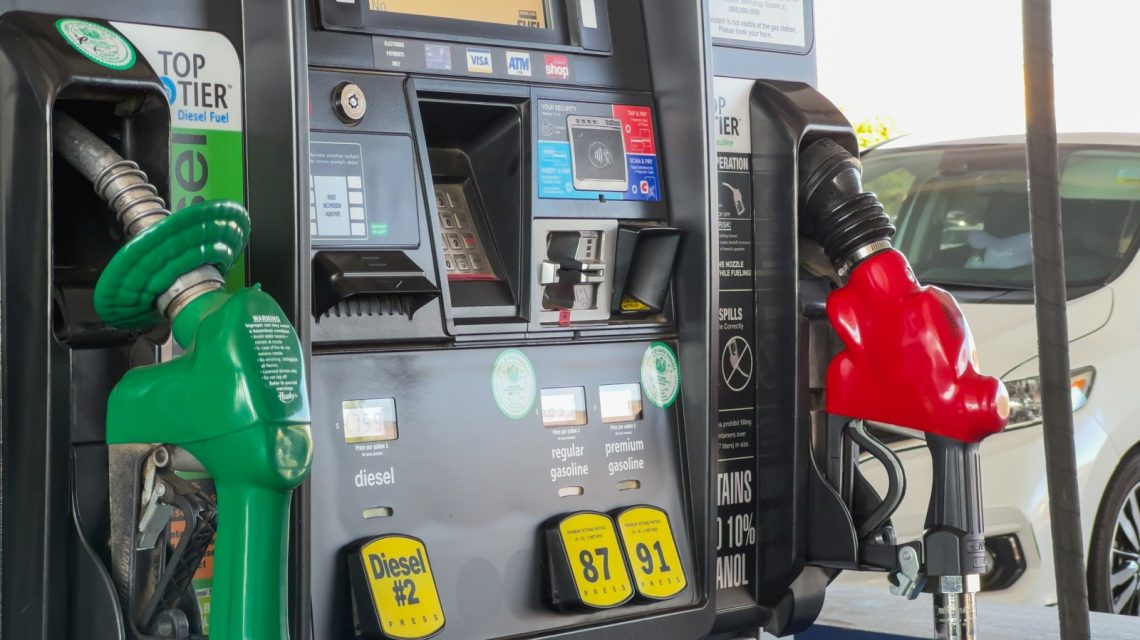
Rising gas prices are affecting Americans beyond the gas station and may influence future Social Security payments. President Donald Trump mentioned that gas prices might stay high or increase, raising concerns about the influence of energy-driven inflation on Social Security benefits. In an interview with Fox News’ Maria Bartiromo, Trump noted that prices could be similar or slightly higher.
Importance of Rising Gas Prices
In recent months, gas prices have surged over 20%, and they were up by 18.9% in April compared to the previous year, according to the Bureau of Labor Statistics. This inflation substantially impacts Social Security payments for the coming year. While higher gas prices promise larger future benefits, they also drive up daily expenses now.
Key Points About Inflation and Social Security
For the over 70 million Americans relying on Social Security, inflation changes directly affect monthly income. Gas prices are crucial because they significantly drive overall inflation, determining the annual Social Security cost-of-living adjustment (COLA). The government calculates COLA using the Consumer Price Index for Urban Wage Earners (CPI-W), which heavily factors in gasoline prices. Consequently, rising gas prices lead to increased inflation, potentially resulting in higher COLA increases.
Mary Johnson, a Social Security and Medicare policy analyst, predicted a 3.2% COLA in 2027 amidst rising gas prices. This is up from a 1.7% prediction in March before gas prices escalated.
The Effects on Retirees
Higher gas prices have a dual impact on Social Security recipients. Upside:
- Larger COLA increases
- Bigger monthly checks in the future
Downside:
- Higher costs for gas, groceries, and utilities
- Reduced purchasing power short-term
Increased COLA might not always be beneficial as it usually reflects higher living costs instead of improved financial security. Alex Beene, a financial literacy instructor, stated that beneficiaries can expect a bigger COLA if inflation remains high. However, the additional benefit mainly attempts to match rising everyday prices, resulting in a neutral or negative outcome for many.
Why Gas Prices Matter
Gas prices affect transportation costs and lead to higher shipping, delivery, and goods costs. These factors quickly elevate inflation, impacting Social Security calculations. Finance expert Kevin Thompson explained that rising oil and gas prices increase costs across various industries, imposing more strain on retirees with fixed incomes.
Implications for Social Security Checks
In the short term, Social Security payments won’t immediately rise. However, expenses often increase promptly. In the long term, larger COLA adjustments can mean higher monthly benefits. Drew Powers, founder of Powers Financial Group, noted that Social Security adjusts for past-year inflation, causing a shortfall for seniors living on a fixed income.
Potential Future Developments
If gas prices stay high, the following may occur:
- Higher COLA in 2027
- Continuous strain on monthly budgets
- Possible changes in spending habits
Kevin Thompson mentioned that the short-term reality can be challenging because fixed Social Security payments contrast with immediate price increases. Retirees often experience financial strain due to inflation before COLA adjustments are implemented.
 Increased Funding Needed for Psychiatric Hospitals
  Higher Consumption of Ultra-Processed Foods Linked to Increased Health Risks
  Understanding Inflammation: Myths and Facts
  Overcoming Weight Loss Challenges: Brain Health and GLP-1 Medications
  Supporting Children’s Mental Health at Home: Practical Steps for Parents
  Preventable Infection-Related Cancer Cases Worldwide: Insights from IARC Study