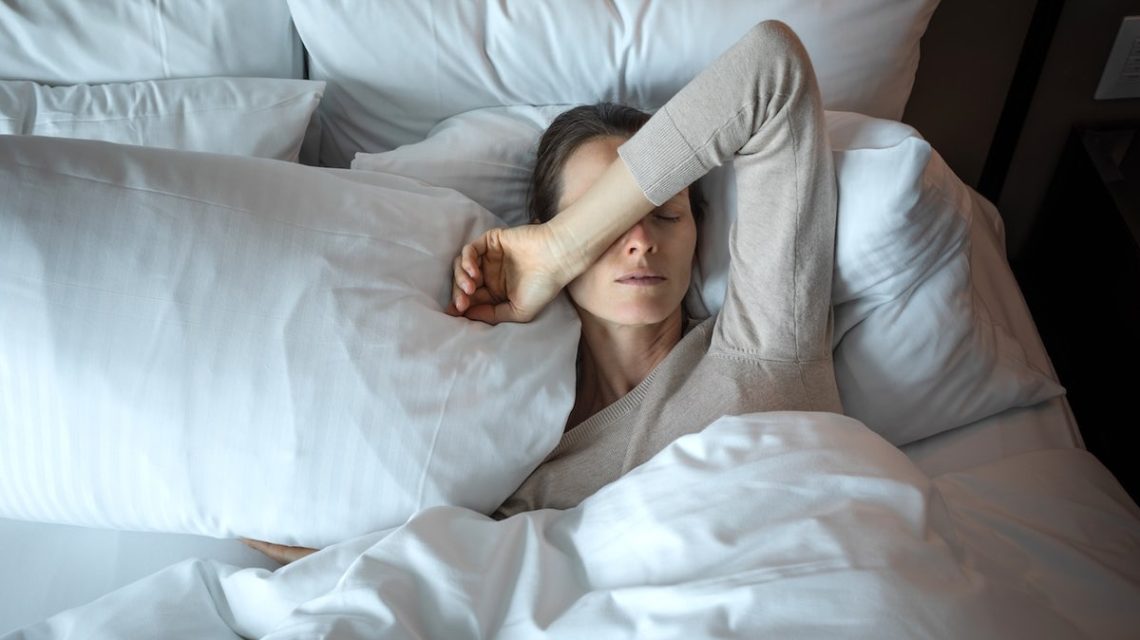
Recent research has identified a potential link between a person’s sleep habits and a new subtype of depression related to the body’s circadian rhythm. Researchers analyzed data from 11,380 Australian adults with a history of depression. They found that about 23% met the criteria for a condition termed “circadian depression.” This subtype includes at least three of the following six traits: being a night owl, waking up extremely tired, sleeping more during depressive episodes, experiencing seasonal changes, having a later sleep midpoint, and significant “social jetlag,” which involves a large shift in sleep timing between workdays and rest days.
The study, detailed in The British Journal of Psychiatry on October 20, aims to guide more personalized care for depression patients. “Depression is not uniform. Understanding its subtypes allows earlier access to effective treatments,” said Emiliana Tonini, Ph.D., from the University of Sydney’s Brain and Mind Centre in a statement. However, the circadian depression classification is not yet a formal diagnosis and requires further validation.
Treatment Implications
Individuals in the circadian group reported an earlier onset and more severe depression symptoms compared to others. They also frequently noted weight gain during depressive periods. It was observed that they had poorer responses and more side effects to antidepressants like SSRIs and SNRIs. Despite this, the study didn’t pinpoint why these medications were less effective, and it didn’t test treatments focused on adjusting circadian rhythms. Further investigation is necessary, suggested by researchers, into the effects of light exposure and consistent sleep routines.
Ian Hickie, a professor of psychiatry at the University of Sydney and study co-author, emphasized that the circadian profile is distinct and overlaps with historic subtypes like atypical and bipolar depression, which often involve low energy and oversleeping. He pointed out that the circadian disturbances could be more than a mere symptom of depression—they might be a causal factor.
Study Limitations and Further Research
The study couldn’t definitively determine if circadian disruption caused depression or was a consequence. Participants had pre-existing depression, sometimes severe and recurrent. More manic-like experiences were reported by those in the circadian group, potentially affecting their response to antidepressants. Psychotherapist John Puls noted, “SSRIs aren’t for symptoms beyond depression; they can trigger mania and poor sleep.”
Researchers acknowledge several limitations. Participants self-reported sleep patterns and experiences, and the analysis didn’t establish a timeline between sleep disruption and depression onset. The study’s participants were all of European descent, limiting its applicability to other groups. Jillian Amodio, a psychotherapist, warned against using the findings as a “one-size-fits-all treatment,” stressing the need to consider biological, social, and psychological factors.
Future research should include diverse populations, such as night shift workers, and consider the impact of different time zones and seasons, to better understand circadian depression.
 The Future of MAHA in American Health Politics
 Insulin Cost Caps Gaining Support Amid Rising Prices
 A Personal Journey Through Encephalitis
 Low-Cost Medication May Benefit Stroke Survivors
 The Complex Debate Over Kratom Use in the U.S.
 Florida’s Struggle with Dengue Fever and AI Solutions