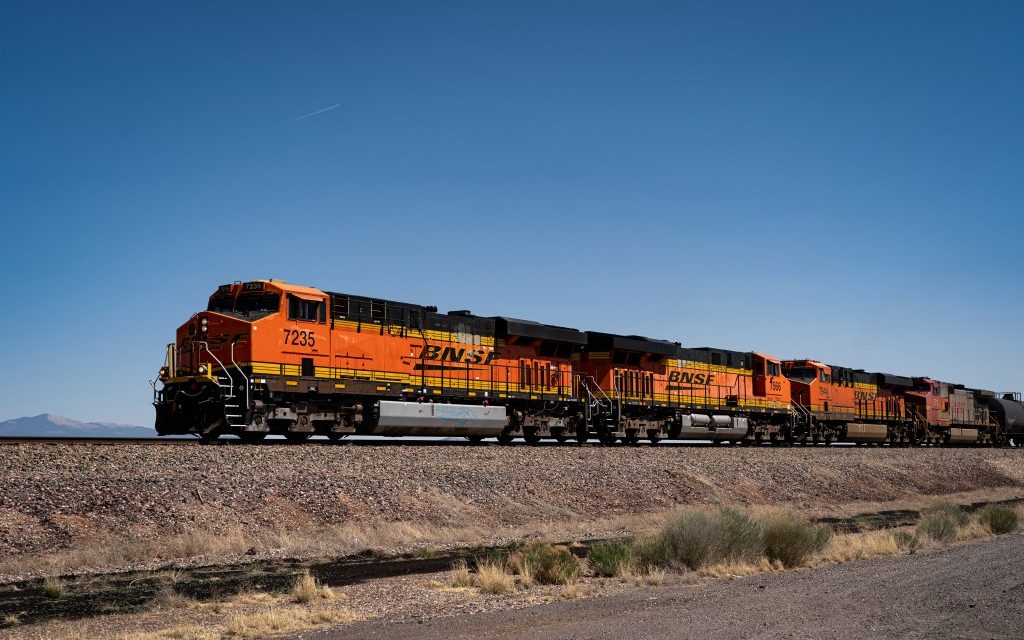
In recent years, Southern California has witnessed a rise in sophisticated train robberies, with bold thieves targeting the region’s extensive rail network. These criminals often display their loot and exploits on social media platforms. Investigators report that more than 65,000 train-related thefts occur nationwide every year, with a significant 25% to 40% of those incidents happening in Southern California. The monetary value of these thefts ranges from tens to hundreds of millions of dollars, according to sources familiar with these crimes.
The difficulty in tracking these crimes is compounded by many incidents going unreported, sparking concerns that the problem is more severe than it appears. Cartel-driven crime rings orchestrate these robberies, stealing high-value items such as shoes, clothing, tools, and electronics, then selling them at severely discounted prices online.
The Modus Operandi
LAPD Detective Carlos Monteroso from the Cargo Theft Task Force describes the actions as organized and methodical. The criminals, often referred to as “crews,” breach individual containers until they find valuable goods. Insiders at the Port of Los Angeles can access sensitive information, which they pass to crime leaders who then execute their plans. LA’s port is the busiest in the Western Hemisphere, handling about 2.65 million containers annually.
Many thefts remain unreported because they occur on private rail properties. As the holiday season approaches, the fear is that these incidents will disrupt supply chains for popular gifts. Monteroso explains that the thieves exploit vulnerabilities along train routes, forcing emergency stops in remote desert locations, where they have uninterrupted time to rob the trains.
Criminal Networks and Investigations
Train robbers employ electric handsaws to cut into freight containers, often documented and shared online. These heists involve numerous accomplices who load stolen goods into vehicles. Recovered items include branded shoes and clothing, tools, and other consumer goods. The stolen merchandise finds its way onto platforms like eBay and OfferUp.
Detective Monteroso’s team recently resolved a case worth millions involving stolen shoes, including an unreleased collaboration between Brooks and Disney. Undercover operations led to the discovery of a warehouse filled with stolen items, marking a mid-level player in the crime syndicate.
The masterminds behind these operations, often operating from overseas, include members of the Russian mafia, Turkish organized crime, and Mexican cartels. A recent bust led to the arrest of nine individuals tied to the Sinaloa Cartel, uncovering a stash worth $333,000. Among the items seized were electronics, clothing, and weapons.
Challenges in Law Enforcement
The challenge lies in capturing the leaders of these heists. Keith Lewis, a seasoned cargo theft expert, explains that the apprehended individuals rarely have knowledge of those orchestrating the operations. Communication is often through disposable phones, leading investigators to dead ends. The decision-makers stay behind the scenes, evading direct involvement and capture.
Though train lines employ various security measures, including drones and cameras, securing remote rail locations is challenging. Violence can escalate during these heists, posing further risks.
Light penalties for property thefts in California complicate law enforcement efforts. Underscoring the problem, significant amounts of stolen goods go unreported, potentially surpassing tens of billions in value nationally. Investigators emphasize the lack of prosecution threats as a core issue, further complicating the scale and resolution of these crimes.