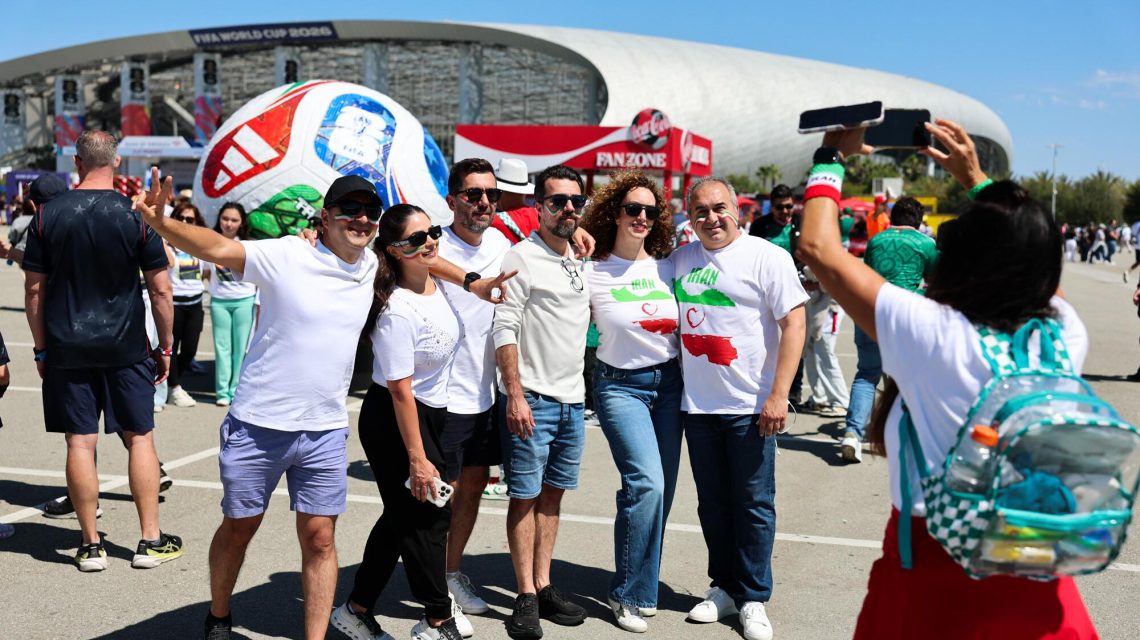
Leading up to the World Cup in Los Angeles, concerns loomed about how immigration enforcement, travel restrictions, and anti-Trump sentiments might impact the event’s atmosphere and attendance. Yet, in the streets of Los Angeles over the past week, a different picture emerged. Fans from diverse cultural backgrounds joined together, creating a microcosm of the world—and city—they aspire to live in.
On a shuttle from downtown to Inglewood, people wore shirts emblazoned with Farsi alongside crowds of Kiwis, as expected for the Iran versus New Zealand showdown. Remarkably, fans sporting Argentina, Team USA, and Mexico jerseys were also present. The pre-match mood among Iran’s national team supporters was festive, despite players commuting from Tijuana due to Trump administration restrictions. Similar scenes occurred on the Metro K Line, where World Cup attendees swapped stories and tips for navigating L.A.’s transit system while reminiscing about past tournaments.
Ardy Salem, an Iranian American dentist from the Bay Area, observed the crowd with delight outside SoFi Stadium on Monday. “This festival is about unity and bringing the whole world together; there are 48 nations and everybody is having a good time,” he stated. “Just for a moment, we get to leave all the politics behind.” David Leon, 32, from Watts, wore his Mexico jersey proudly, despite initial reservations about hosting the World Cup in Los Angeles. Leon feared international fans might be deterred by American politics but was heartened by their positive experiences with American culture on social media.
Leon noticed the variety of ethnicities present at the event, with fans from Colombia, Mexico, New Zealand, Iran, Germany, and Spain among those gathered. The World Cup brought joy to his community of Mexican Americans, a stark contrast to the fear instigated by Immigration and Customs Enforcement raids in Los Angeles the previous year. Pre-tournament, concerns about ICE presence at the games compelled 2,000 SoFi Stadium workers to threaten a strike. However, these fears proved unwarranted as attendees focused on enjoying the event.
James Carling, 63, from Ventura, lamented that travel restrictions prevented fans from countries like Iran, Haiti, and Senegal from attending. “Let’s face it, our government hasn’t made it easy for people to visit us, which is a shame,” he commented. “There were people from countries whose teams made it [to the World Cup] who were not allowed to come and, sorry, that’s wrong.” Tensions related to U.S.-Iran relations and Iranian American sentiments were also apparent; some Iranian fans faced protests against supporting their national team.
Despite these challenges, Iranians at the game found cause for celebration, briefly setting aside geopolitical tensions to unite in soccer fandom. Inglewood resident David Arias and Iranian fan Kam Pirouz exchanged a fist bump, recognizing the shared challenges faced by the Iranian team commuting from Tijuana. Arias, without a game ticket, transformed his barbershop into a pop-up outside the stadium, giving free haircuts to fans from around the world.
“It’s the World Cup, man, the entire world comes together, and it’s beautiful,” commented Pirouz mid-haircut, highlighting the World Cup’s power to unite people globally.
Seamus Bozeman, a staff writer, contributed to this report.
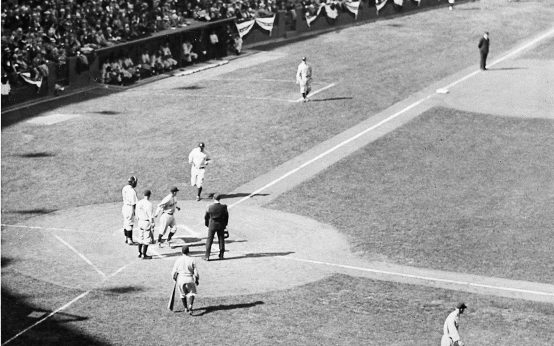 Historical Events in Chicago on October 1st
  Stephen A. Smith Discusses Houston Texans’ Critical Matchup Against Dallas Cowboys
 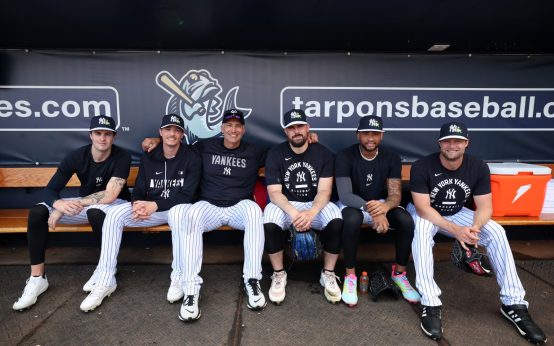 CC Sabathia Anticipates Yankees’ Game 1 Pitcher for ALDS After Beating Red Sox
 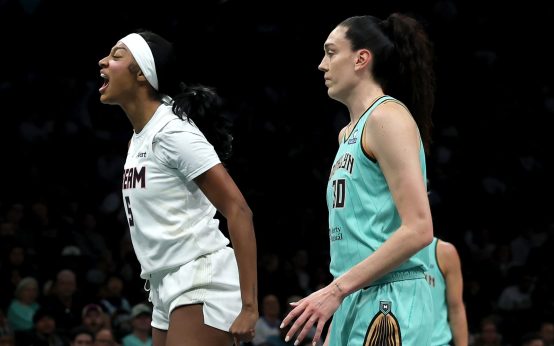 Atlanta Dream Progress to WNBA Semifinals
  Los Angeles Lakers Focus on Defense in Luka Doncic Era
  Los Angeles Chargers Face Criticism Amid Team’s Poor Start