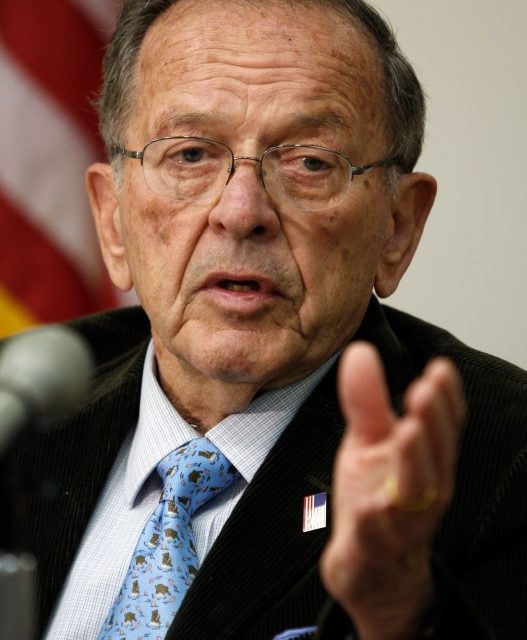
Reports highlight Alaska’s struggle with internet subsidies that deliver billions to telecom companies, yet the state ranks poorly in internet speed. The federal government pays subsidies to companies offering services to remote areas, sometimes benefiting regions with very few residents.
Subsidy Misuse and Challenges
Roger Shoffstall, who owns a telecom firm in Alaska, receives over $1 million annually despite serving a small customer base and operating from prison due to felony tax evasion. The federal program’s funds come from a surcharge on phone bills, known as the Universal Service Fund. Carriers must currently contribute 37% of their interstate and international revenues to this fund. Since 2016, the FCC has given Alaska telecoms $4.6 billion in subsidies, resulting in high per capita allocations compared to other states.
Yet, despite these funds, Alaska is last in high-speed internet access. Some places remain unwired or suffer from slow speeds, with customers paying high prices for subpar service. The cost often exceeds hundreds of dollars monthly for internet service below FCC broadband standards.
Problematic Subsidy Distribution
The subsidy program continues supporting companies like Shoffstall’s, regardless of market competitiveness. With Starlink now offering faster satellite internet options for lower costs, traditional providers are losing appeal. Starlink charges between $90 and $130 monthly for speeds up to 280 Mbps, while Shoffstall’s service caps at 25 Mbps for $135 monthly. These excessive practices fall within program rules, but they highlight systematic issues.
The island of Adak receives more than $350,000 annually for services to 306 buildings, though it’s inhabited by fewer than 80 people. Residents largely prefer Starlink.
The state’s largest telecom, GCI, received $466 million two years post-settlement with the government over alleged program-related fraud. GCI claims the settlement does not impact service demands or dependency on USF funding.
Voices on Reform and Alaska’s Unique Challenges
The FCC is evaluating the program’s future and potential reforms. Many experts, like Daniel Lyons, call for direct subsidies to consumers, allowing them to choose their provider, potentially shifting benefits to options like Starlink. Lyons criticizes the FCC’s auditing, stating the program’s success is untested.
In the broader context, Alaska’s geography presents unique challenges. Christine O’Connor of the Alaska Telecom Association highlights the subsidies’ critical role in connecting rural areas with large cities. Conversely, experts like Carol Mattey emphasize political pressures that skewed subsidy allocations, such as those influenced by late Sen. Ted Stevens.
Operational Challenges and Implications
Summit continues reaping subsidies, despite questionable practices dating back decades. Past grants attempted to address infrastructure gaps, but companies like Summit, receiving millions to extend services, have limited penetration.
In the competitive landscape, Shoffstall’s services are overshadowed by satellite alternatives that undermine demand for subsidized internet. Meanwhile, some residents opt for cellular services, modest at best, but adequate.
The Future of Subsidies
As policymakers revisit subsidy strategies, consumer-centered proposals gain traction. Advocating direct support for families better aligns with technological evolution and market dynamics.
Summit, emblematic of systemic subsidy shortcomings, sparks debate on federal funds’ role in high-cost, low-infrastructure environments, as many users shift to more competitive, agile providers like Starlink.
 Challenges in Managing Advanced AI Models
  The Risky Foundations of AI’s Economic Impact
  Tennessee Prison Chief Resigns After Botched Execution
  White House Announces Medicare-Linked Payments for Seniors
  Collapse of Hawai’i’s Hōlei Sea Arch Amidst Storms
  Northwestern Debuts New Ryan Field with Victory Over Penn State