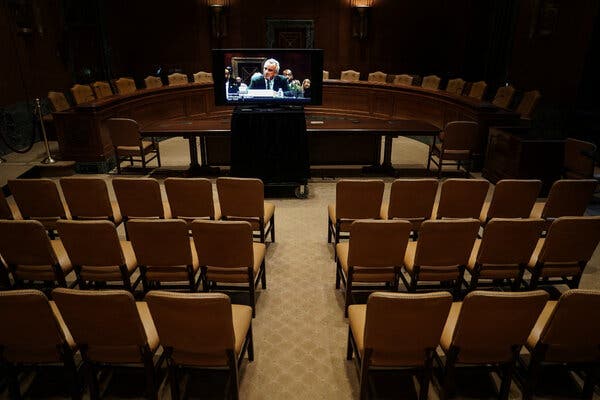
Health Secretary Robert F. Kennedy Jr. recently dismissed two prominent leaders from the U.S. Preventive Services Task Force. This expert panel significantly impacts healthcare decisions for millions of Americans, particularly concerning preventive services like cancer screenings.
Dr. Michael Silverstein and Dr. John Wong, both former chairs of the task force, found themselves removed with minimal explanation. The dismissal was vaguely attributed to “protecting the integrity of the task force’s work.” While Dr. Silverstein had previously planned to leave his role in March, Dr. Wong’s firing appeared abrupt.
The Supreme Court ruled nearly a year ago that health secretaries have the authority to remove task force members at will. Since then, tensions have been high, especially given Mr. Kennedy’s apparent disdain for the organization. His actions included delaying scheduled meetings and halting the development of new guidelines, notably affecting recommendations for cervical cancer screening.
This situation isn’t isolated. Mr. Kennedy has previously dismissed health experts without a valid reason and inserted political influences into independent health advisory missions. Such interventions can have far-reaching consequences for the task force’s credibility and effectiveness.
The task force’s influence is notable. Its recommendations significantly shape which preventive services and medications doctors prescribe and which insurance policies cover without additional costs. Screenings for various cancers, such as breast and prostate, are crucial, saving thousands of lives annually. Recommendations for HIV prevention medication demonstrate the task force’s significant role in healthcare.
Political interference could jeopardize evidence-based healthcare standards. There are concerns that political biases might push for unproved or harmful recommendations. Mr. Kennedy’s endorsement of questionable treatments raises concerns about the integrity of future prevention strategies. His known interests in dietary supplements and nutrition products underline the need for vigilance.
The task force traditionally consists of 16 unpaid experts specializing in primary care. Recently, there has been a growing number of vacancies as members complete their terms. With eight open positions, Mr. Kennedy has only recently started filling them. This raises questions about the future direction and independence of this critical health advisory panel.
 Ibogaine Treatment Travel: Americans Seeking Alternatives Despite Risks
  Study Highlights Risks of Borg Consumption on College Campuses
  The Message of Healing and Faith in ‘The Angels Among Us’
  Dengue Fever Surge in U.S.: Florida’s Record Outbreak and Rising Cases Nationwide
  Tick Crisis on Martha’s Vineyard: A Growing Health Threat
  Reflections on Dementia, Ant Warfare, and College Affordability