
On August 3, 2026, Myanmar is witnessing a well-known scenario unfold. The country’s leader, Min Aung Hlaing, recently addressed the Union Parliament in Naypyidaw, transitioning from a military uniform to a suit and tie. This change in attire is symbolic, aiming to present a more legitimate image.
The real situation, however, remains unchanged. Power was seized through military force, and political opponents face either imprisonment or exile. Elections, often viewed as the cornerstone of democracy, are manipulated to validate control. The transformation from military leader to ‘president’ serves as a facade, masking the autocratic nature of rule.
This pattern is not unique to Myanmar. It represents a broader trend where military figures stage coups, eliminate dissent, and attempt to cloak their authority with democratic titles. Yet, the essence of dictatorship persists, regardless of the title or appearance.
 Incident on FlyDubai Flight Raises Security Concerns
 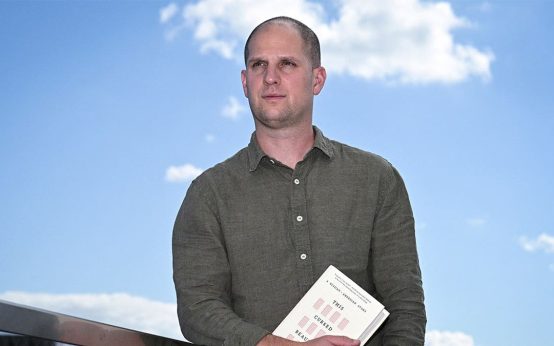 Journalist Gershkovich Discusses Wrongful Detention and Release in Russian Prisoner Swap
 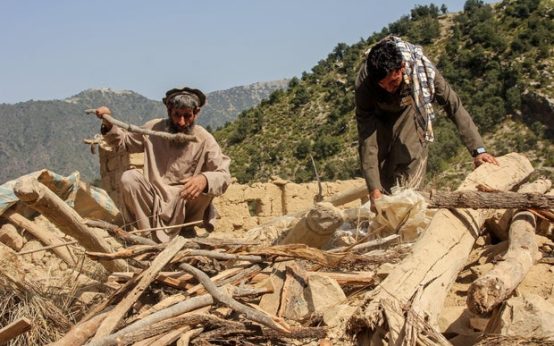 Pakistan Airstrikes in Afghanistan: Civilian Casualties Reported
 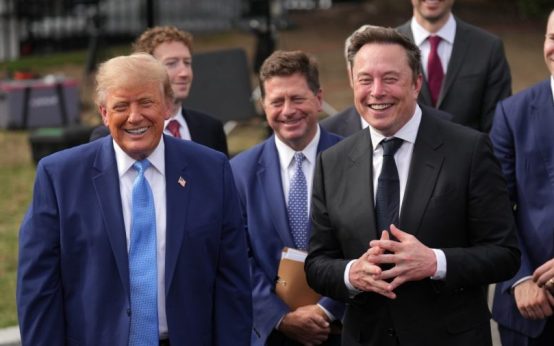 Trump’s 2024 Reelection and Evolving Voter Dynamics
  Defense Secretary Emerges as Key Player in the Trump Administration
 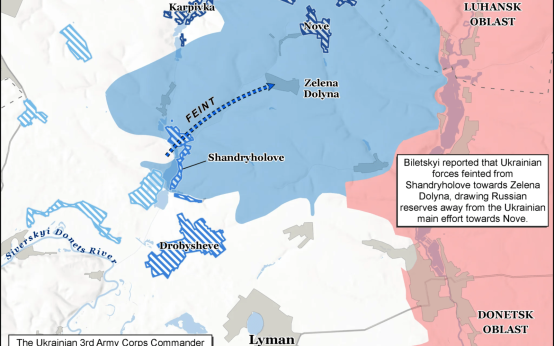 Ukraine Converts APCs to Explosive Devices in Donetsk Offensive