
According to a report by the U.S. Centers for Disease Control and Prevention, the percentage of Americans without health insurance remained stable at about 8% in 2025. These survey results highlight a significant decrease from previous years, though the number of uninsured individuals may rise with recent policy changes.
The Trump administration has enacted substantial modifications to Medicaid, the healthcare program for low-income Americans. The Congressional Budget Office predicts that these changes could lead to an additional 10 million uninsured over the next decade. Furthermore, the cessation of certain subsidies under the Affordable Care Act, which helped reduce premium costs, is expected to decrease enrollment in marketplace health plans. Research by KFF suggests that approximately 5 million fewer individuals will sign up for these plans in 2026 compared to 2025.
Tracking insurance status in the U.S. involves multiple government programs that may yield varying results based on different methodologies. However, data from the U.S. Census Bureau is often regarded as a key resource. David Howard, a health policy expert at Emory University, notes its importance, though the CDC’s findings align closely and offer a comprehensive view for 2025, the first year of President Donald Trump’s second term.
The Trump administration has also pushed for expansion of low-premium catastrophic health plans and efforts to lower drug costs for those uninsured. A reported decline in insurance enrollment, according to the administration, signals a reduction in fraudulent and ineligible participants rather than a dip in eligible Americans.
Even though the proportion of insured remained relatively constant from the previous year, the uninsured population increased by roughly 800,000 in 2025, including 300,000 children. This rise correlates with the overall growth of the U.S. population.
The CDC’s results indicate a possible rise in insured Hispanic Americans, though this might partly result from members of this community affected by increased immigration enforcement leaving the country.
Most Americans over 65 have insurance through Medicare, while younger individuals typically rely on a mix of public and private insurance sources. The uninsured rate for Americans under 65 rose from 12% in 1980 to over 18% in 2010. It then decreased after the Affordable Care Act’s introduction in 2010, which broadened Medicaid and enhanced affordable insurance access. By 2016, the uninsured rate fell to nearly 10% but increased during Trump’s initial term to 11-12%. The COVID-19 pandemic led to a fall in the uninsured rate as government measures protected coverage, reaching a record low below 9% in 2023.
 Understanding Inflammation: Myths and Facts
  Calm Parenting: Strategies to Manage Stress
 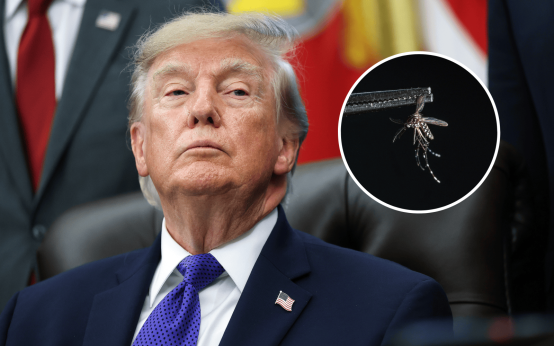 Trump’s Executive Order to Combat Mosquitoes and Ticks in D.C.
  Overcoming Weight Loss Challenges: Brain Health and GLP-1 Medications
  Supporting Children’s Mental Health at Home: Practical Steps for Parents
  Abdul El-Sayed’s Strategy to Attract Health-Conscious Voters in Michigan