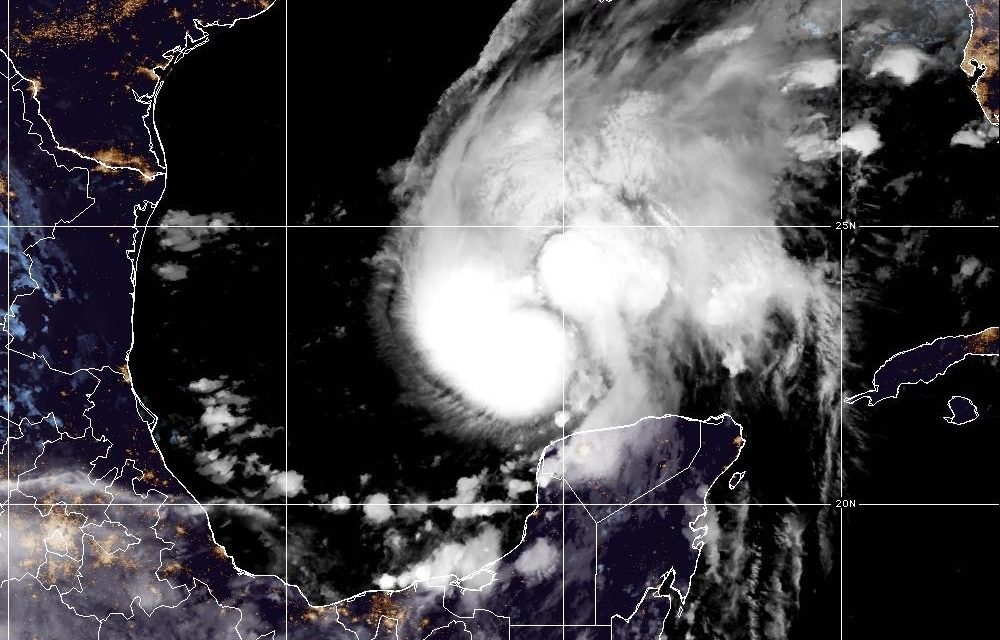
The National Oceanic and Atmospheric Administration (NOAA) announced an early end to the 2026 hurricane season, thanks to one of the strongest El Niño events on record. This climatic phenomenon contributed to a notably inactive period in the Atlantic.
In their statement, NOAA shared on social media that the Atlantic recorded 10 named storms, with just one, Isaias, developing into a major hurricane. NOAA administrator Neil Jacobs praised the agency’s predictive abilities, stating their expertise offered early warnings essential for safeguarding lives and property this season.
Official End of Hurricane Season
While the hurricane season typically concludes on November 30, NOAA’s announcement grabbed the attention of several meteorologists. Matt Devitt humorously noted on social media that NOAA decided to call it early. Jeff Berardelli mused that NOAA invoked a ‘mercy rule,’ ending the quiet season ahead of schedule. Although these comments were light-hearted, the influence of El Niño was no laughing matter.
El Niño’s Influence on the Hurricane Season
El Niño was a significant player in shaping the 2026 hurricane season. The Pacific Ocean saw unprecedented hurricane activity, unlike the quieter Atlantic. NOAA Satellites highlighted these differences, connecting the dots to El Niño’s impact. With an exceptional number of storms, the eastern Pacific shattered records.
The data showed 20 named storms in the eastern Pacific, far surpassing the average of 15. Of these, eight hurricanes reached major status, defined as Category 3 or stronger. NOAA noted Polo as the most intense hurricane, second only to Hurricane Patricia in 2015 regarding low pressure.
Impact on Travel and Weather Patterns
As the hurricane season winds down, El Niño still poses risks, particularly to Thanksgiving travel. King Tides could lead to flooding threats along the West Coast. Florida, too, experiences heightened storm activity, with multiple storms anticipated to affect the state and surrounding regions in the coming days.
El Niño typically increases wind shear across the Atlantic, influencing the formation and intensification of tropical systems. This year, its strength contributed significantly to the observed weather patterns.
Florida has seen extensive flooding, with authorities declaring emergencies in over 20 counties. Meteorologist Jeff Berardelli cautioned about continued storm threats due to a powerful subtropical jet stream.
 Lab Tests Show No Lead Contamination in Iowa Water After Detonation
 Snow Geese Migration: A Majestic Sight on Canadian Prairies
 Sharpie Marker Conceals Blade at Airport Screening
 EPA Monitors Lead Azide Detonation Effects in Iowa
 Two Earthquakes Hit Central California
 Exploring the World of Solitary Bees in Urban Environments