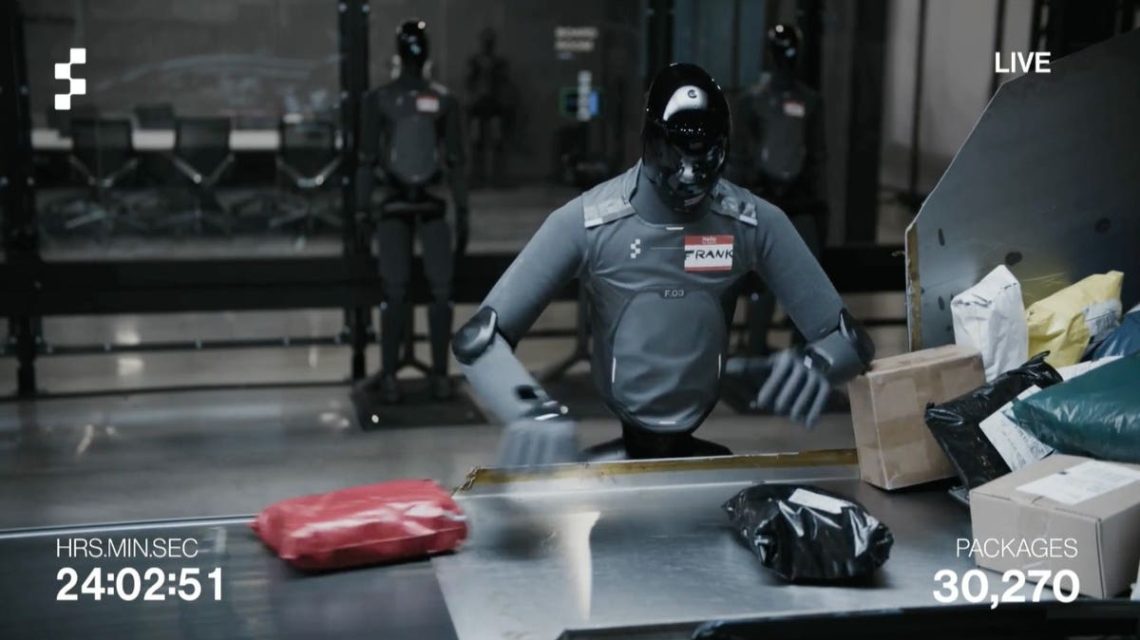
Figure AI, a robotics startup based in California, reported that its humanoid robots successfully operated autonomously for over 24 hours, surpassing their initial eight-hour test plan. The Helix-02-powered robots managed to sort small packages without human intervention, capturing public attention through a livestream. Viewers followed the performance closely, giving the robots personified names such as Bob, Frank, and Gary, which Figure AI embraced by adding visible name tags.
Autonomous Performance
During the test, the robots took on warehouse tasks involving the handling of small packages, scanning barcodes, and placing them on conveyor belts. This repetitive work is typically fast-paced, demanding consistent decision-making and quick adaptation to minor glitches. Figure AI claimed the robots sorted more than 28,000 packages at speeds comparable to human workers. Originally planned as an eight-hour trial, the test extended as the robots continued functioning without any reported failures.
Advanced AI System
The robots operated using Figure AI’s proprietary Helix-02, a sophisticated AI system integrating vision, touch sensing, body awareness, and movement control. It equipped the robots to balance, grasp items, and adjust positions dynamically. With onboard cameras and AI reasoning, the robots autonomously detected and managed barcodes, demonstrating their advanced capabilities. CEO Brett Adcock highlighted that all actions were directed solely by Helix-02 without remote human control.
Public Interaction and Implications
The livestream allowed the public to observe the robots as they continued to sort packages well beyond the planned duration. This direct exposure led to the robots’ nicknames gaining traction as if they were familiar coworkers, highlighting a new form of engagement. While this human element made the demonstration more tangible, it also raised questions about potential impacts on human labor. The successful use of robots capable of extended autonomous operation brings to light serious considerations for the future of warehouse staffing.
Efficiencies and Future Testing
Figure AI also emphasized their robots’ ability to perform automatic resets when encountering unforeseen challenges, maintaining operational flow. The ability to autonomously troubleshoot and recover boosts workplace efficiency. The demonstration suggested humanoid robots might be viable for certain operations, leading to potential shifts in warehouse staffing models where repetitive tasks demand consistent performance.
Industrial Competition and Challenges
As the race for warehouse automation accelerates, Figure AI faces competition from companies like Tesla, Agility Robotics, and Apptronik. These robots are first likely to be deployed in controlled industrial environments such as factories or dedicated manufacturing facilities, such as Figure AI’s test at BMW’s South Carolina facilities. Real-world sustainability for these robots will depend on their ability to operate seamlessly amidst the unpredictable variables typical of busy warehouse settings.
Broader Impact and Labor Concerns
For the average consumer, humanoid robots may appear as a distant reality. However, they may soon influence delivery efficiency and warehouse operations, prompting shifts in conventional job roles. While robots can seem to encroach upon human labor, current AI is not yet capable of handling the complex, spontaneous issues workers face. Nonetheless, Figure AI’s advancements indicate a trend toward integrating robots into longer-term operational tests, bridging the gap between theoretical potential and practical application.
 Challenges in Managing Advanced AI Models
  The Risky Foundations of AI’s Economic Impact
  Meta’s Muse AI Assistant Sparks Cybersecurity Concerns
  Keurig Dr Pepper Launches Compostable Coffee Pods to Reduce Waste
  Minneapolis Council Member Faces Criticism Over Autonomous Vehicle Concerns
  Washington’s Reaction to Trump’s AI Self-Regulation Accord and Technology Updates from The Hill