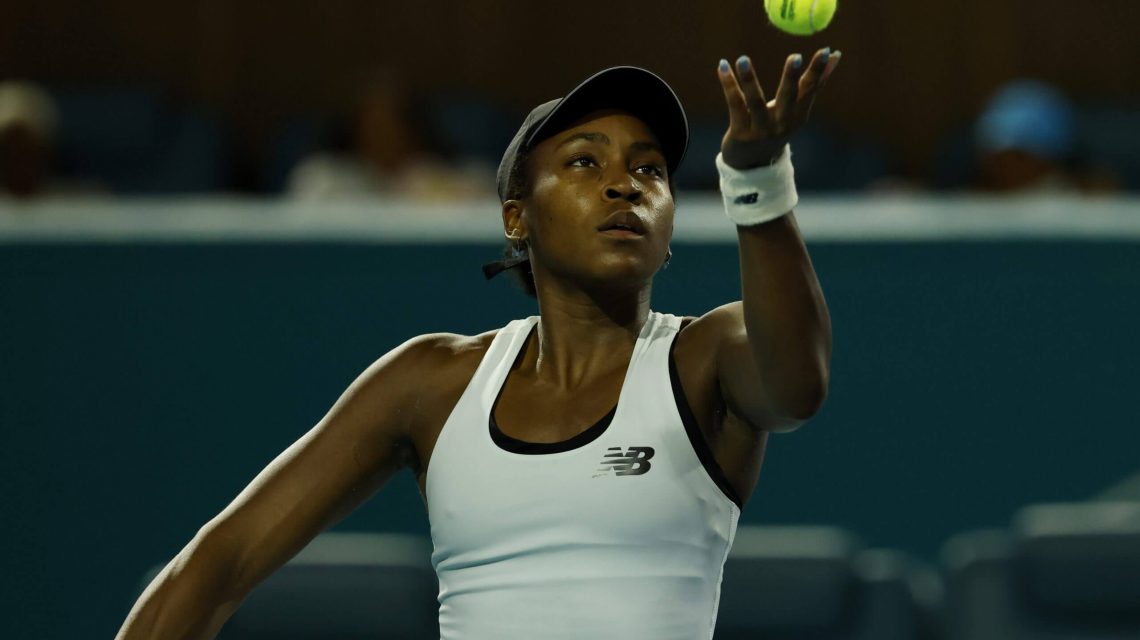
The Athletic reported live coverage of the opening day of the 2026 French Open, highlighting a protest by a group of top tennis players seeking increased prize money and reforms at Grand Slam tournaments. The players, including Aryna Sabalenka and Coco Gauff, earlier indicated the possibility of boycotting one of the four major events. However, at Roland Garros, where the Grand Slam began on Sunday, May 24, they opted for a different form of protest. According to a source familiar with the group’s plans, the players would walk out of pre-tournament news conferences early, aiming to draw attention to their demands.
Initially, the group planned to limit their news conferences to 15 minutes, but by Thursday, they finalized a strategy of reducing it to 10 minutes. Following this would be a five-minute video interview with a host broadcaster for distribution. Moreover, players planned to abstain from media day interviews with French Open media and primary rightsholders TNT Sports and Eurosport, restricting these parts of the protest to one day.
The player’s decision prompted a reaction from a French Tennis Federation (FFT) spokesperson, who expressed regret over the impacts on stakeholders like the media, broadcasters, and the tennis community. They underlined the FFT’s intention to maintain a strong relationship with players and proposed a meeting scheduled for Friday, May 22, to engage in direct dialogue on governance issues.
Representatives from Wimbledon and US Open were set to join discussions later. While spokespeople from these tournaments did not immediately respond to comments, an All England Club representative emphasized its openness to constructive discussions, expressing anticipation for expanding dialogue at Roland Garros.
The protest stemmed from the allocation of prize money at the Grand Slams, which averages 15 percent of revenues—a figure players hope to increase to 22 percent, aligning with ATP and WTA Tour events. Compared to U.S. team sports, where players often receive close to 50 percent of league revenues through collective bargaining agreements, tennis players, who are independent contractors, face challenges in establishing similar frameworks.
The French Open’s prize pool for 2026 rose by 9.5 percent from the previous year to $72.3 million, equating to 15 percent of projected revenue, as estimated by the group. Other major tournaments have also boosted their prize money. The group aims for adjustments in prize money, contributions to player welfare, and greater involvement in Grand Slam decision-making, advocating for a Grand Slam Player Council formation.
The French Open qualifying event is underway, with the main draws commencing on Sunday. The principal pre-tournament media day is scheduled for Friday, with pending media interactions set for the weekend. This endeavor marks a novel approach by players to apply pressure on the Grand Slams, following letters sent to the majors last year signed by prominent WTA and ATP players.
Analysis by Senior Tennis Writer
The smart, organized action by tennis players at the Grand Slams shows powerful initiative without requiring a formal boycott. Walking out of media day conferences after a short 15 minutes is impactful, keeping the 15 percent revenue allocation figure at the forefront of media attention. The information shared during such news events infuses the wider media ecosystem surrounding major tournaments.
The decision by some players to refuse additional interviews with broadcast rights holders signals the seriousness of this protest. While skipping media altogether appeals to some, most understand their brand visibility tie to the exposure during these tournaments. The collective readiness of players to limit TV appearances signifies a united front.
The rapid organization and execution of this protest, from initial considerations to firm collective action, highlight the significance and urgency of the players’ demands.
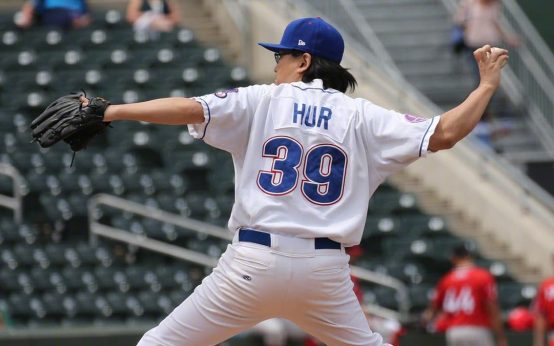 The Quest for the Knuckleball Dream
 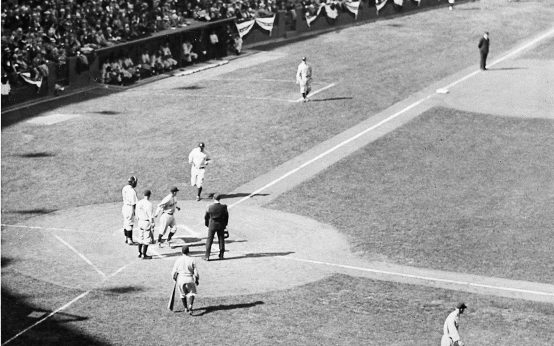 Historical Events in Chicago on October 1st
  Stephen A. Smith Discusses Houston Texans’ Critical Matchup Against Dallas Cowboys
 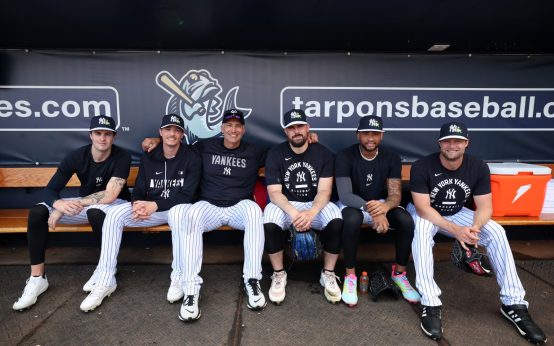 CC Sabathia Anticipates Yankees’ Game 1 Pitcher for ALDS After Beating Red Sox
 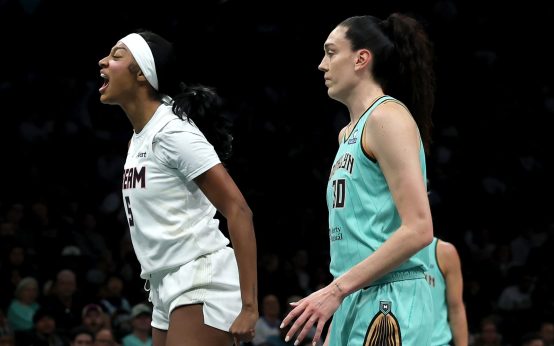 Atlanta Dream Progress to WNBA Semifinals
 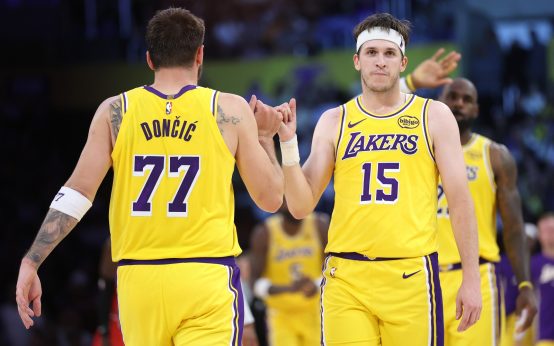 Los Angeles Lakers Focus on Defense in Luka Doncic Era