In Lviv, Ukraine, Iranian-designed Shahed drones are frequent nightly threats. Ukrainian factories, located nearby, produce kamikaze drones and interceptors that counter these attacks. Initially improvised, the effort has evolved into a leading drone industry. A Ukrainian official states Kyiv has become a center of battlefield innovation, potentially offering lessons to the U.S. and Israel, which also face similar drone threats.
Lviv Mayor Andriy Sadovyi shared in an interview that drone technology has revolutionized front-line combat. He envisions a future where 1,000 drones might land simultaneously, strengthening ties between Ukraine, the United States, Israel, and Europe. Such collaboration could produce equipment crucial for Ukraine’s success.
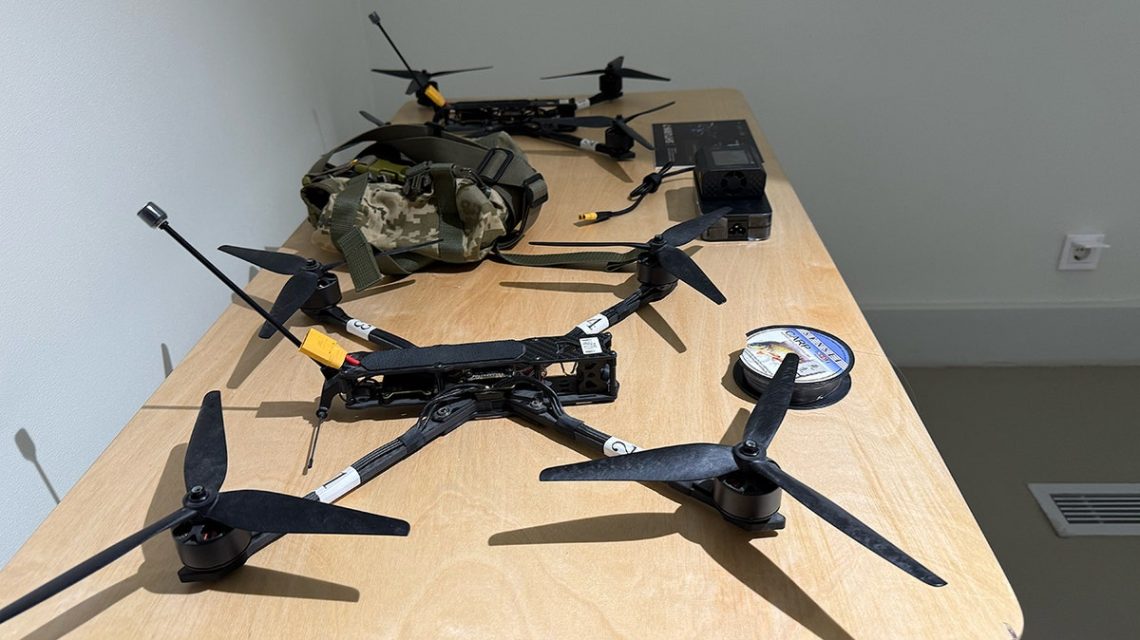
Dmytro, a CEO of a Ukrainian drone company, highlights their advancement, saying, “We are three or four steps ahead.” Drones now allow small units to engage tanks and air defenses at a lower cost. Throughout western Ukraine, defense hubs and workshops spring up, even amid air raid sirens. At one workshop, employees assemble drones with components like propellers and fiber optic cables, viewing their roles as pivotal for the nation’s defense.
Technician Vitaliy commented on building hundreds of components daily for kamikaze drones targeting vehicles and tanks. He expressed pride in speeding his nation’s peace effort. The domestic drone industry is scaling rapidly. Deputy Defense Minister Serhiy Boyev disclosed plans for substantial increases in drone production by 2026.
At a defense tech hub in Lviv, a range of drones and systems showcase technological progress. Volodymyr Cherniuk, co-founder of Iron, a tech cluster, details their offerings. Drones serve various purposes, including reconnaissance, logistics, and strikes. One particularly feared drone, nicknamed “Baba Yaga,” is used in nighttime attacks. An interceptor drone is specialized to counter Iran-made Shahed drones that Russia deploys in attacks.
Drone components were on display in Kharkiv, highlighting the ongoing conflict’s technological depth. As the war progresses, Russia has increased drone assaults, targeting regions close to NATO territories. Ukraine, in turn, has demonstrated capabilities to strike within Russia.
Interestingly, the drone conflict extends beyond Ukraine and Russia. Recent instances involve Ukrainian drones entering airspace of Baltic countries, raising regional defense concerns. Latvia’s defense minister resigned after a drone mishap near the Russian border. Ukrainian officials assert Russian electronic tactics are complicating drones’ navigation, impacting NATO territories.
These incidents emphasize how drones, like those designed by Iran and used by Russia, are reshaping global military dynamics. The conflict reflects a broader tech-driven shift in warfare. Ukrainian advances, witnessed by international observers, spotlight the transformative power of drone technology.
 British Police Arrest Man Suspected of Terror Plot
  Activists Push for Nationwide Ban on Child Marriage in the U.S.
  Investigation into Alleged Incident at Cornell University
  Trump Unveils AI-Powered America.gov Platform
  Rising Drone Threats Highlight Vulnerabilities in Moldova’s Airspace Defense
  Bolivia Faces Security Test Amid Unrest