
In Seoul, South Korea, Chung Yong-jin, the retail tycoon and chairman of Shinsegae Group, issued an apology as Starbucks Korea faced criticism for a controversial marketing campaign. Shinsegae owns a significant stake in Starbucks Korea. During a televised statement, Chung apologized to the families of democracy activists killed by the military dictatorship in 1980, as well as to the public.
The controversy began when Starbucks Korea attempted to promote a new tumbler, named a “tank”, on May 18, marking it as “Tank Day.” This date coincides with the anniversary of a pro-democracy uprising in Gwangju, which was violently suppressed by military forces using tanks and helicopters, resulting in numerous casualties.
The campaign faced backlash due to the slogan used, “Thwack it on the table!”, which many interpreted as referencing a 1987 police statement downplaying the torture death of student activist Park Jong-chol. The police claimed Park died unexpectedly after agents “hit the desk with a thwack.” Within hours of public outrage, Shinsegae canceled the promotion and dismissed the chief executive of Starbucks Korea. An investigation began following complaints from families of those killed during the Gwangju uprising.
Chung expressed serious concern over the hurt and anger the marketing campaign caused, emphasizing that the responsibility lay with the company’s management, not the staff in stores. He had previously apologized on May 19, acknowledging the campaign’s impact on the victims and families of the May 18 Democratization Movement.
Jeon Sangjin, a senior executive at Shinsegae Group, stated that they had not found evidence of intent to mock the pro-democracy movement by Starbucks Korea employees. However, some employees refused to cooperate with management’s internal review. The company awaits the results of the police investigation, pledging to take disciplinary action against any employee found guilty of wrongdoing.
The incident has led to calls for boycotts, with government officials, including Interior and Safety Minister Yoon Ho-jung, criticizing Starbucks and discontinuing its use at government events. President Lee Jae Myung condemned the campaign, describing it as “inhumane and disgraceful.”
The Gwangju crackdown took place months after General Chun Doo-hwan’s 1979 coup. While official figures cite around 200 deaths, activists argue the number is higher. The events fueled nationwide protests in 1987, leading to Chun’s agreement to a constitutional amendment for direct presidential elections, marking a pivotal shift in South Korea’s democratic transition.
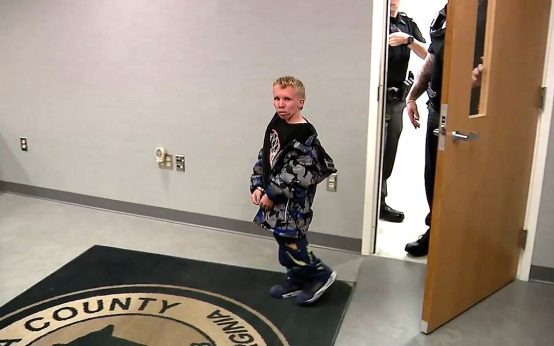 TikTok Couple Arrested for Alleged Arson in West Virginia
 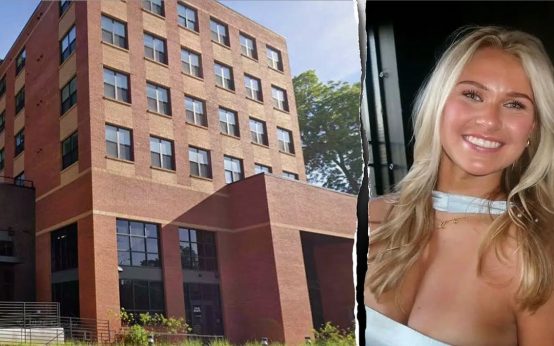 21-Year-Old University of Georgia Student Survives Eight-Story Fall
  Texas Authorities Arrest Suspect Over Potential Capitol Attack
 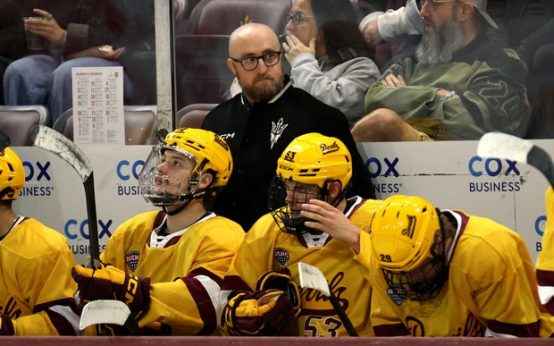 Arizona State University Hockey Incident Leads to Coach’s Administrative Leave
 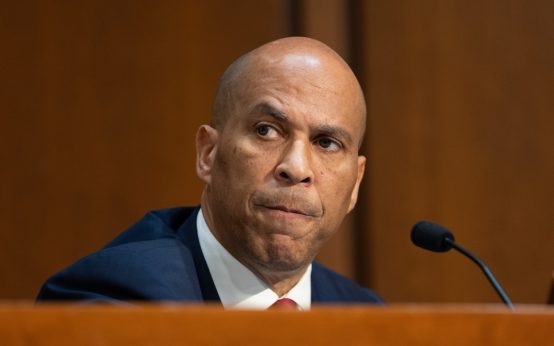 Senate Vote on Data Center Electricity Cost Legislation
  Fatal Hit-and-Run Leads to Additional Shooting Incident in Miami-Dade