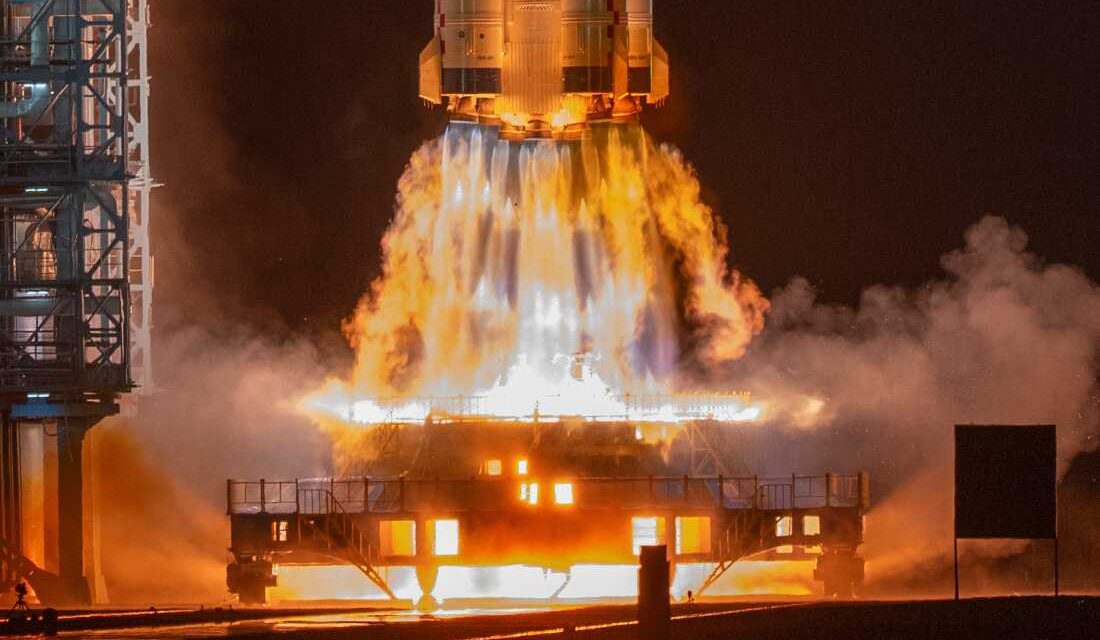
The Shenzhou-23 spacecraft launched from the Jiuquan Satellite Launch Center in northwestern China on Sunday night. It carried three astronauts to the Chinese space station, marking a significant step in China’s space endeavors. This mission is a key component of China’s plans for a crewed lunar landing by 2030.
The astronauts on board are Zhu Yangzhu, the mission commander, Zhang Zhiyuan, and Lai Ka-ying, who is also known as Li Jiaying through Mandarin transliteration. Notably, Lai is the first astronaut from Hong Kong and holds a doctoral degree in computer forensics.
The crew will undertake numerous scientific and application-focused projects during their mission. Additionally, they will perform an in-orbit rotation with the Shenzhou-21 crew, who have been at the Tiangong space station for over 200 days.
This mission includes a significant component: one astronaut will remain at the space station for a full year. This long-term stay aims to investigate human adaptability and the limits of performance in extended spaceflight environments.
China’s space program has been advancing steadily, primarily through missions to the Tiangong space station. Tiangong, meaning ‘Heavenly Palace,’ welcomed its first crew in 2021. China’s focus on its space station followed effective exclusion from the International Space Station due to U.S. concerns over national security.
The United States, seen as a main competitor in space exploration, plans to send astronauts to the lunar surface by 2028. Last year, a Shenzhou emergency mission successfully returned a stranded team of astronauts from the space station due to a damaged spacecraft.
 British Police Arrest Man Suspected of Terror Plot
  Activists Push for Nationwide Ban on Child Marriage in the U.S.
  Investigation into Alleged Incident at Cornell University
  Rising Drone Threats Highlight Vulnerabilities in Moldova’s Airspace Defense
  Bolivia Faces Security Test Amid Unrest
 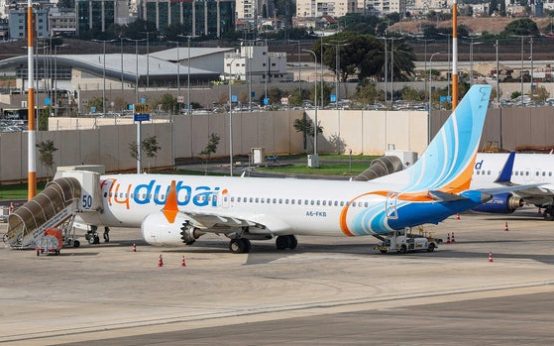 Incident on FlyDubai Flight Raises Security Concerns