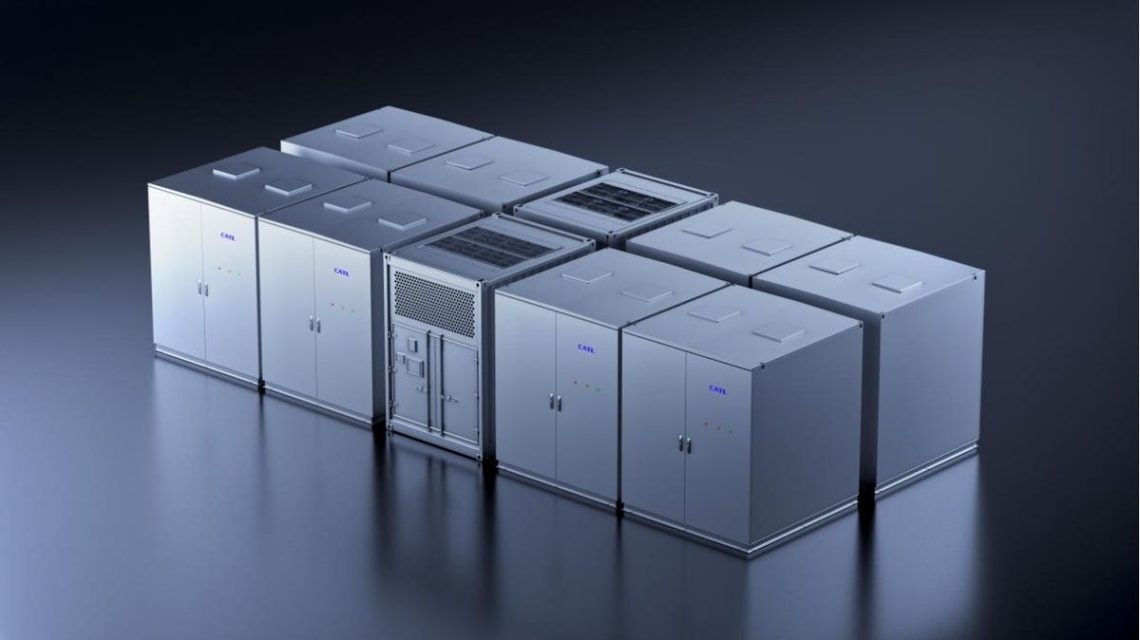
New developments in energy storage technology are gaining attention with the introduction of sodium-ion batteries. Coherent, a leader in AI innovation, is rapidly growing to support data transmission efficiencies. Alongside, Chinese battery giant CATL is pioneering efforts in sodium-ion technology that could change how power grids operate globally.
AI Centers and Data Transmission
Coherent’s facility in Sherman, Texas, highlights the role of light in transmitting data efficiently for AI centers. CEOs from Coherent and NVIDIA elaborate on leveraging technology for innovation. This facility is poised for expansion, set to increase its output fourfold by the next year, underscoring significant growth in this space.
CATL’s Sodium-Ion Energy Storage System
CATL has launched the TENER Sodium Energy Storage System, the first commercialized sodium-ion energy storage solution. This technology aligns with the increasing need for grid storage as power demand rises. AI data centers and extreme weather raise electricity needs, making robust storage solutions essential.
Sodium-ion batteries help manage energy better by storing electricity from renewable sources like solar and wind power. This ensures availability when consumption peaks or renewable outputs drop. Though CATL has not announced a U.S. release date, this technology marks a significant development for grid storage.
Advantages of Sodium over Lithium
Most current large-scale storage uses lithium-based batteries. While effective, lithium availability and price volatility pose challenges. Sodium is abundant and globally accessible. This could make sodium-ion batteries attractive for grid applications, providing alternative storage options.
CATL suggests sodium might not replace lithium immediately but can work alongside it in future storage systems. This variety of storage options could lead to reduced reliance on any single material, offering better market stability.
System Compatibility and Design
The TENER Sodium system is designed to fit existing lithium iron phosphate platforms, simplifying transitions for developers. It can handle temperatures effectively, reducing operational costs, and improving safety by 20% over lithium systems. With lower noise levels and better thermal efficiency, it suits harsh environments like those with extreme temperatures or high power demands.
CATL’s sodium-ion storage achieves commercial readiness with expanded production capabilities. Investment and production expansion in China indicate serious potential for this technology. Still, its adoption in the U.S. would require thorough evaluation by utilities and regulators regarding cost and reliability.
Implications for Future Storage
While individuals may not directly purchase sodium-ion batteries, their integration into grid systems could influence electricity storage and distribution. Efficient large-scale storage supports higher power demands and enhances grid stability. Sodium-ion technology might not solve issues like transmission line aging or local bottlenecks, but it represents a promising storage component.
This innovation adds flexibility to power storage strategies, aiding utilities in addressing fluctuating demands. As AI data centers increase power use, such developments become more critical. CATL’s move into sodium-ion batteries stresses their role in evolving energy landscapes.
For further insights into technology safety and protection tips, follow CyberGuy’s reliable resources.
 How Modern Windows Improve Home Insulation
  OpenAI’s Delay of GPT-6.1 Astra Driven by Security Concerns
  Bill Gates Warns Against Potential Risks of AI Technology
  Recent Technology Trends Shaping 2026
  Enterprise Transformation with Generative AI
 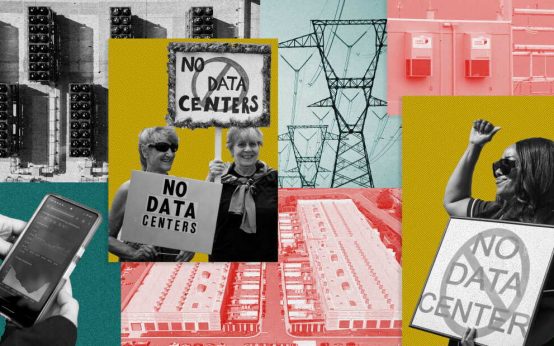 Data Centers and Community Divisions: The Growing Debate Across America