
The U.S. government, under President Trump, has deported nearly 13,000 immigrants, including Cubans and Venezuelans, to Mexico. These deported individuals face high risks of cartel violence in unfamiliar surroundings, as reported by Human Rights Watch on Wednesday.
While Mexico has accepted such deportations for years, the current influx includes older individuals who have resided in the U.S. longer. This change makes it more challenging for them to find employment and increases their need for medical care.
The report is based on over 50 interviews conducted in southern Mexican cities Tapachula and Villahermosa. It highlights the broader U.S. immigration raids initiated by President Trump, which target immigrants who previously were not deportation priorities. Among these are Cubans who have lived in the U.S. for decades.
Countries like Cuba and Venezuela sometimes restrict deportation flights or refuse to accept deportees altogether, leading to these individuals being sent to Mexico or other countries with U.S. agreements.
Imagine being in your 60s or 70s, suddenly removed from your life and sent to a country you don’t know, with no access to basic services like shelter or healthcare. You’re left in dangerous cities with just the clothes on your back.
This scenario describes the reality for many Cubans deported to Mexico, as explained by Alcira Hava, a Human Rights Watch fellow who contributed to the report. According to the findings, Cubans represent the largest group deported to Mexico, with over 4,300 people.
More than half of the 41 Cuban interviewees had lived in the U.S. since the 1980s or 1990s, arriving during the Mariel exodus or through the lotto program in the 1990s. Most lost their permanent residency status. Over half of these deportees had criminal records, but just 16% related to violent crimes. A quarter had no criminal history.
Deportations often occurred during regular ICE checks. Some were detained at work or public locations, with none presented to a judge to contest their deportation to Mexico, even if they expressed safety concerns.
The Cuban diaspora has been jolted by Trump’s immigration crackdown, despite benefiting from the Cuban Adjustment Act, facilitating quicker residence and citizenship. Deported individuals in Mexico face limited job opportunities and health care, with cartels preying on them.
Securing refugee status in Mexico involves a complicated logistics process, with unclear eligibility requirements. For instance, a Villahermosa shelter has assisted deported Cubans as old as 83, contrasting with its usual clientele of younger males and families.
The U.S. discards them. Cuba discards them.
This statement by shelter worker Josué Leal reflects the sense of abandonment and “double punishment” faced by deportees. The exact process of deporting to a third country is unclear, as neither the U.S. nor Mexico have disclosed their agreement.
Human Rights Watch urges both countries to release details of the agreement and ensure due process and compliance with international law in these deportations. It also calls on Mexico to provide access to medical care and a path for legal status to those unable to return to their origin countries. The group advises the U.S. to halt these deportations unless such guarantees are in place.
 Rising Drone Threats Highlight Vulnerabilities in Moldova’s Airspace Defense
  Bolivia Faces Security Test Amid Unrest
 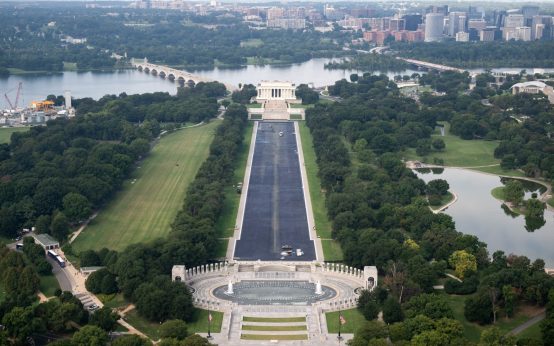 Judge Dismisses Case Against Former Olympian Over Lincoln Memorial Incident
  Incident on FlyDubai Flight Raises Security Concerns
 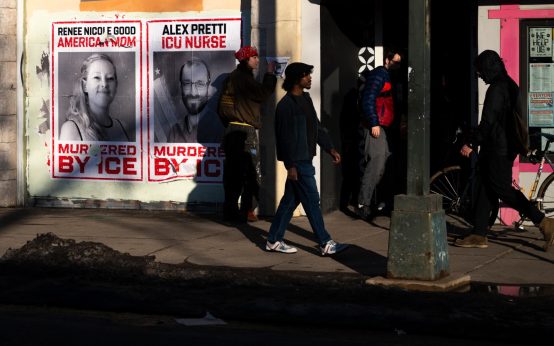 Minnesota Family Files Civil Rights Lawsuit Over ICE Agent Shooting
 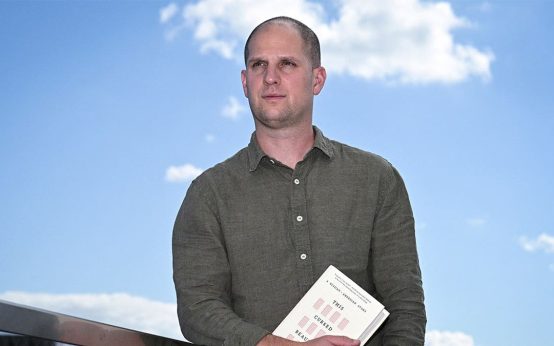 Journalist Gershkovich Discusses Wrongful Detention and Release in Russian Prisoner Swap