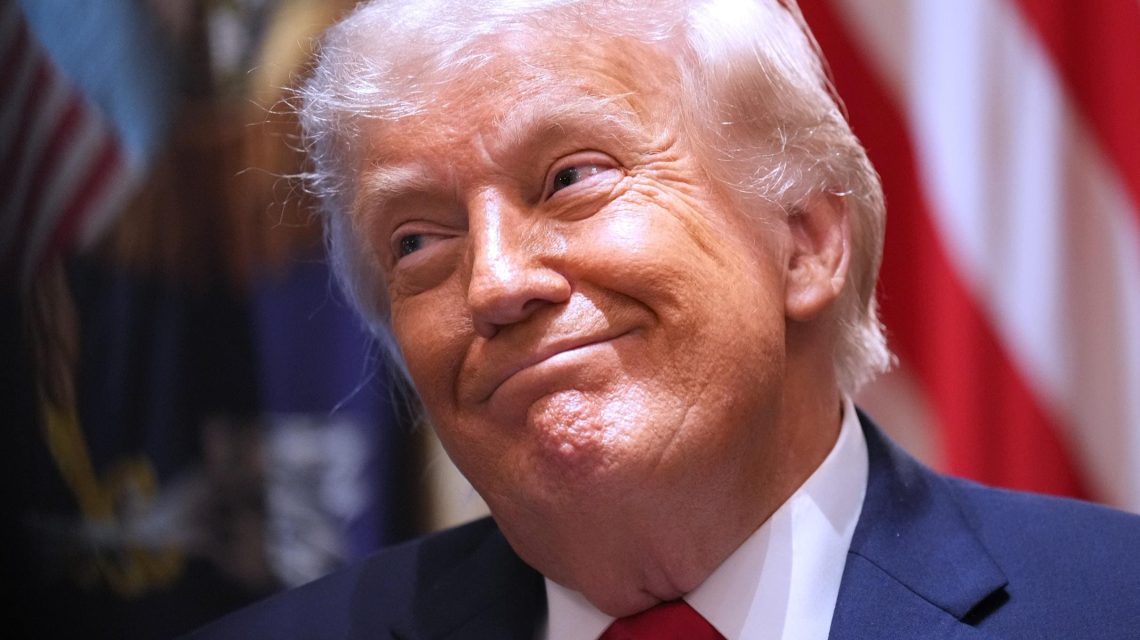
In 2026, significant attention focused on Donald Trump’s financial maneuvers, notably his stock trades. The president gathered substantial funds from Big Tech entities as part of his re-election strategy. Post-election, Trump adjusted AI regulations favorably for these companies while benefiting personally from the financial gains.
Similarly, Transport Secretary Sean Duffy faced scrutiny. He embarked on several vacations with his family under corporate sponsorship, with Boeing, Toyota, and Shell covering expenses. Notably, Duffy continued to receive his taxpayer-funded salary during this period.
Kash Patel, initially a side hustler within the Trump sphere, seized upon the 2020 election loss. He transformed this setback into a lucrative venture but eventually transitioned to a federal position, trading his substantial financial profits for a capped salary.
During the midterms, billionaire donors significantly supported Trump’s super PAC. Despite Trump not being on the ballot, the super PAC was highly active in 2026, prompting inquiries about the utilization of its resources.
Homeland Security Secretary Markwayne Mullin carved out an impressive financial portfolio without holding a bachelor’s degree. After liquidating his family business shares, Mullin diversified his investments into real estate and a rapidly traded stock portfolio, amassing a fortune substantially greater than his predecessor.
Trump’s Mar-A-Lago property vastly increased in value, becoming a major attraction for billionaires. Known as the “Winter White House,” its worth surged to over half a billion dollars, aided by Palm Beach’s growing popularity and profitability.
Forbes undertook an exhaustive evaluation of Donald Trump’s net worth, considering assets like cryptocurrency, Truth Social, and various real estate holdings to uncover his financial status.
The Trump-UAE crypto deal sparked debates over its sensibilities, questioning the benefits the UAE garnered from the agreement.
In a recently published book, Wilbur Ross, a former Trump cabinet member, revealed that Trump allegedly instructed a cabinet secretary to put pressure on Fed Chair Jerome Powell to lower interest rates under the threat of removal.
Trump’s actions toward Venezuela also drew attention. His aggressive stance against the country’s dictatorship might have inadvertently boosted the value of his crypto-related investments.
 Concerns Over Changes to Voter-Registration Form for Americans Abroad
  Trump’s 2024 Campaign Targets Young Men Through Cryptocurrency
  Trump’s White House Visitor Center Proposal Gains Bipartisan Support
  State Department Simplifies Passport Process with Online Applications
 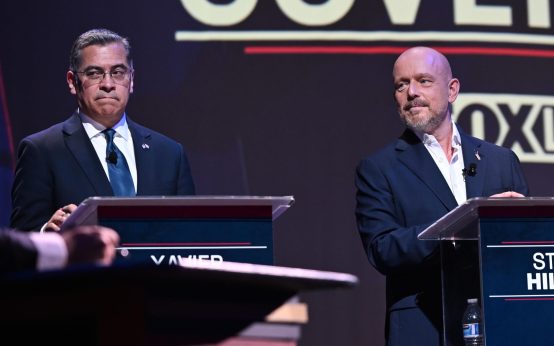 Becerra and Hilton Clash in California Gubernatorial Debate
  California Voters to Decide on $7.5 Billion State Research Fund