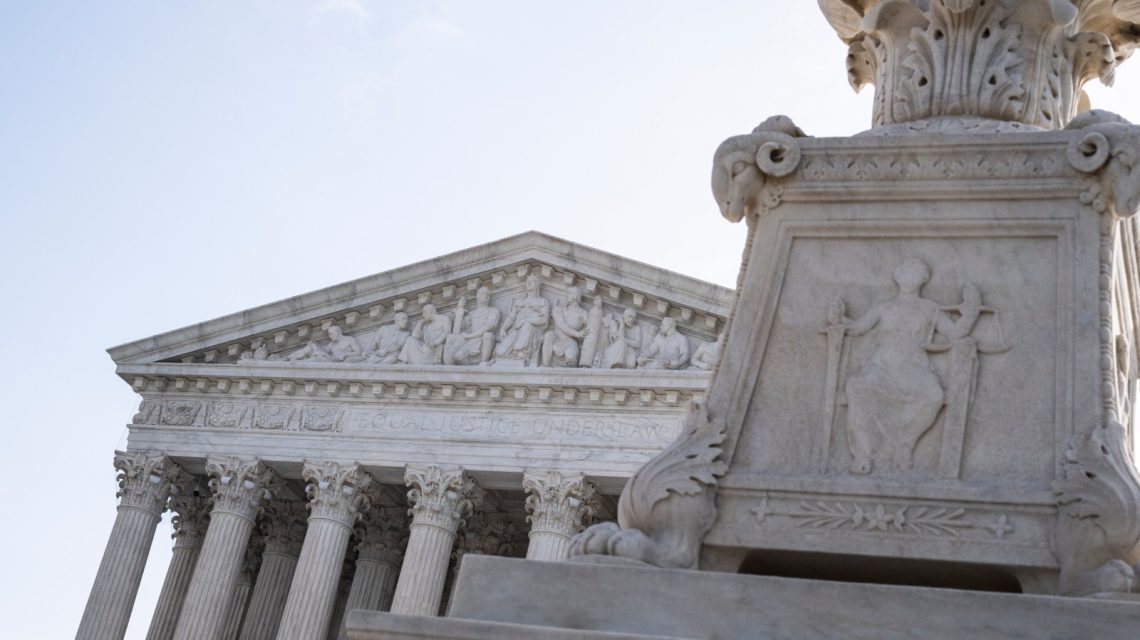
In the 78th Federalist Papers, Alexander Hamilton described the judiciary as the “least dangerous” branch of government, lacking the power of the purse or the sword. Initially, the Supreme Court handled only a few cases. Early justices worked part-time and borrowed office space in the U.S Capitol. Due to limited prestige, some nominees declined the position.
Today, Supreme Court justices receive substantial salaries of over $300,000. They have personal chambers, security, and office staff. Appointed for life, some justices might serve almost nine presidential terms. They influence major aspects of American life, ruling on up to 80 cases annually. Recent decisions have overturned long-standing precedents on critical issues like reproductive rights, affirmative action, and voting rights, often divided along ideological lines.
Amid these rulings, ethical concerns have arisen about some justices. Justice Clarence Thomas took undisclosed luxury trips for years. Justice Samuel Alito accepted gifts from a hedge fund billionaire, whose cases later came before the court. Justice Neil Gorsuch promoted his book, receiving a $250,000 advance, on Fox News. Justice Ketanji Brown Jackson promoted her book for $2 million. All six conservative justices attended a White House state dinner for King Charles III, hosted by an administration with policies under court review.
This situation has led to a crisis of confidence in the court. Less than half of Americans trust the court, and its approval rating is around 42%, near historical lows, according to a Marquette analysis. Many Americans seek reforms, with term limits supported by about 75%. People across the political spectrum agree that the court cannot function without checks and accountability.
Most democracies do not grant life tenure to constitutional court judges. Lifetime appointments have caused divisive confirmation battles, with presidents picking younger nominees to secure long-term influence. Retirements are timed for political advantage, disconnecting the court from the public.
In response, I introduced the ROBE (Reform of Bench Eligibility) Act, a constitutional amendment proposing 18-year term limits for Supreme Court justices. Predictable turnover would reduce the stakes of any appointment, lessen political maneuvering, and ensure consistent appointments across presidencies.
Though some seek statutory solutions, these are temporary fixes vulnerable to being repealed or challenged, potentially placing term limits before the very court they aim to regulate. A constitutional amendment presents a permanent solution and sets an unquestionable standard.
Amending the Constitution requires consensus, which is crucial. Substantial reforms should garner sustained public support and bipartisan agreement. An 18-year term limit would not resolve issues immediately, but it could bolster public trust in a court perceived as straying from democratic principles. This reform is vital, and pursuing it through a constitutional amendment is ideal. Let’s make this change together.
Johnny Olszewski serves as a Democratic representative for Maryland’s 2nd Congressional District. This article reflects the views of the writer.
 Sen. Cotton Opposes Permanent Daylight Saving Time
  Steve Hilton’s Latino Outreach and Gubernatorial Ambitions
  The Need for Reform in Presidential Nominations
  Controversy Surrounds Performances at Gillette Stadium
  Celebrity Controversies Over Political Activism and Speech
  Trump Pushes for Permanent Daylight Saving Time, Sharing Senator’s Contact Information