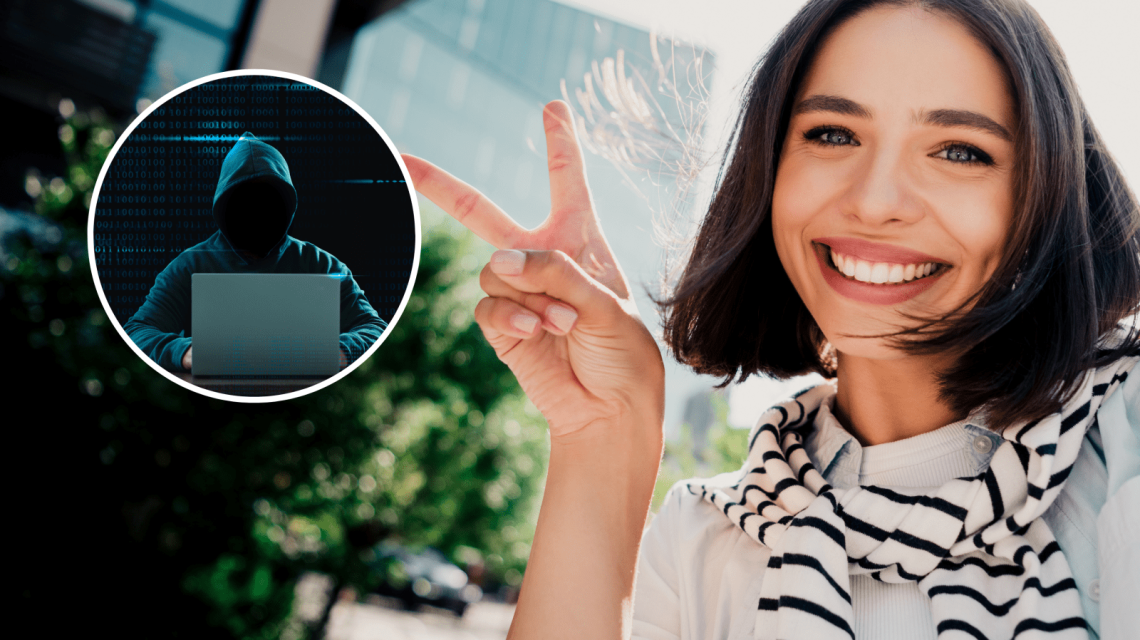
Millions enjoy sharing polished images on platforms like TikTok and Instagram daily. Some use the latest smartphones from Apple, Samsung, and Google for this purpose. While these devices offer advanced camera settings, they also present new risks. High-resolution photography, now accessible through phones and cameras, can be manipulated by malicious individuals more easily.
The Threat to Fingerprints
Pictures posted on social media can reveal more than intended. A simple selfie might expose fingerprint details due to the high-resolution cameras in modern smartphones. Bryan Lopez, a cybersecurity leader at Microsoft, emphasizes the real and growing threat of biometric data theft from social media images.
“High-resolution cameras now capture enough fingerprint ridge detail. AI-assisted reconstruction tools can produce workable biometric templates from social media images,” Lopez stated.
This issue extends beyond fingerprints. AI has increased the “biometric threat surface.” Voice cloning tools can now replicate a person’s voice using brief audio clips, like those found in vlogs and podcasts. These synthetic voices can bypass voice authentication systems and enable social engineering attacks.
Deepfake Dangers
Deepfakes have reached a critical point. With a few publicly available images, bad actors can create convincing videos of someone saying or doing things they never did. The potential effects on reputation, identity fraud, and extortion are severe.
Individuals may fail to recognize the risks in everyday actions. A peace sign or a casual video clip can expose them to threats. High-resolution images and advanced AI tools can transform ordinary moments into security decisions.
Increasing Cybercrime
The scale of cybercrime underscores the need for caution. In 2024, the FBI reported 859,532 cybercrime complaints, resulting in losses of over $16 billion. Phishing accounted for 3.4 billion emails sent daily.
Biometrics differ from other credentials because they cannot be replaced. A compromised password is resettable, but fingerprints and voice patterns are not. Once biometric data is in the wrong hands, the exposure is permanent.
AI lowers the barriers for attackers. Bojan Simic, CEO of HYPR, warns against relying solely on one authentication method. He suggests pairing biometrics with cryptographic credentials.
Protecting Your Identity
Lopez advises practical measures for everyday users. Enhance privacy settings on social media and limit visibility to followers only. This reduces passive exposure. Avoid high-resolution close-ups of hands and faces, disable location metadata on images, and limit isolated video content where the voice is distinct.
“Behavioral awareness, combined with deliberate privacy hygiene, is the most reliable mitigation available,” Lopez said. “Technology will keep advancing. The habits we build now will determine our exposure in the future.”
 Keurig Dr Pepper Launches Compostable Coffee Pods to Reduce Waste
  Minneapolis Council Member Faces Criticism Over Autonomous Vehicle Concerns
  Washington’s Reaction to Trump’s AI Self-Regulation Accord and Technology Updates from The Hill
  Unraveling the RatHat Android Malware Threat
  AI Accountability: The Need for Clear Liability Standards
  Innovative Developments and Trends in Small Business Technology