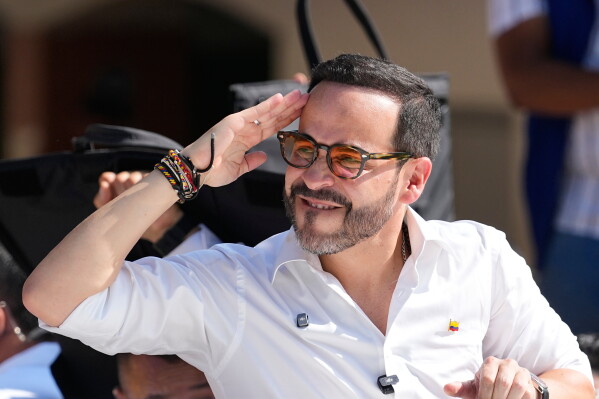
In Colombia’s presidential election, Abelardo de la Espriella and Iván Cepeda are at the forefront after the first round of voting. De la Espriella, a tough-on-crime lawyer and political newcomer, received nearly 44% of the votes. Although he leads, he did not achieve the 50% needed to win outright, setting the stage for a runoff. Known as “El Tigre,” de la Espriella aligns himself with U.S. President Donald Trump, pledging a crackdown on crime.
Iván Cepeda, a progressive senator and an ally of outgoing President Gustavo Petro, secured just under 41% of the vote. Cepeda has vowed to continue Petro’s quest for “total peace.” However, Petro disputed the election results via social media, alleging manipulation without evidence, and claimed the outcomes were not valid.
Centrist candidate Paloma Valencia, representing Colombia’s establishment party, captured less than 7% of votes. With Cepeda leading polls throughout the campaign, his near tie with de la Espriella underscores the challenge he faces as de la Espriella may gain Valencia’s supporters for the runoff.
“In 21 days we’re going to change the history of Colombia,”de la Espriella stated amid celebrations in Barranquilla.
Shifting Voter Preferences
Across Latin America, voters increasingly reject progressive leaders and policies. Instead, they favor candidates promising security crackdowns to address issues like crime and corruption. The Trump administration’s aggressive stance pressures Latin American countries, including Colombia, to combat criminality.
The upcoming election signifies conflicting visions for Colombia’s peace process. Cepeda aims to uphold Petro’s peace negotiations with armed groups, contrasting Trump’s approach to the region. In opposition, de la Espriella plans to emulate El Salvador’s President Nayib Bukele by building mega-prisons and tackling gangs aggressively, facing accusations of possible human rights abuses.
A Referendum on Petro’s Legacy
This election, a decade after Colombia’s peace accord with the FARC, acts as a referendum on President Petro’s administration. The peace deal initially raised hopes to resolve decades of conflict between rebels and the government. However, violence resurged when armed groups exploited negotiations for territorial advantages.
Criminal violence escalated during the campaign, with drone strikes and attacks. Notably, political figure Miguel Uribe Turbay was assassinated at a rally. Despite such challenges, Cepeda and Petro maintain some support, with achievements like raising the minimum wage as highlights.
De la Espriella and Valencia’s alignment with Trump signifies a shift from Uribismo, a once-dominant political influence. Voters remain divided on the path forward for Colombia.
Divergent Views on Tackling Crime
Maria Eugenia, a seamstress in Bogotá, supports de la Espriella’s proposal for an aggressive stance against criminal groups, despite potential human costs. She previously appreciated Petro’s focus on healthcare but believes violence in rural areas requires decisive action.
Conversely, sociologist Juan Acevedo opposes de la Espriella’s tactics, likening them to past military solutions that perpetuated cycles of violence. Acevedo supports Cepeda’s approach, despite gaps in Petro’s reforms. He stresses the need for balance in negotiating peace and controlling armed groups.
As Colombia assesses its options, voters are at a crossroads between sustaining Petro’s policies and adopting a forceful crackdown approach to resolving conflict.
 Incident on FlyDubai Flight Raises Security Concerns
 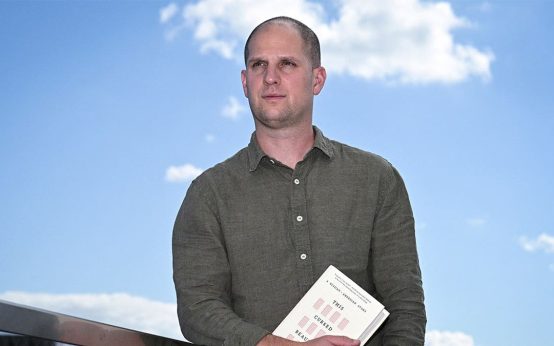 Journalist Gershkovich Discusses Wrongful Detention and Release in Russian Prisoner Swap
 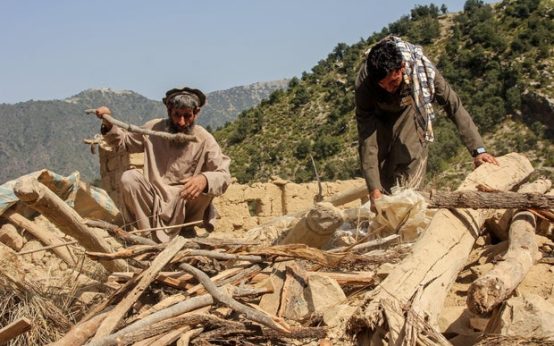 Pakistan Airstrikes in Afghanistan: Civilian Casualties Reported
 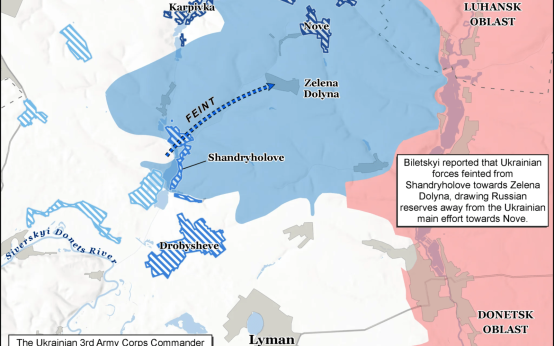 Ukraine Converts APCs to Explosive Devices in Donetsk Offensive
  Dutch Review Board’s Euthanasia Ruling and International Debate
  Israeli PM Commends Heroic Actions in Flight Emergency