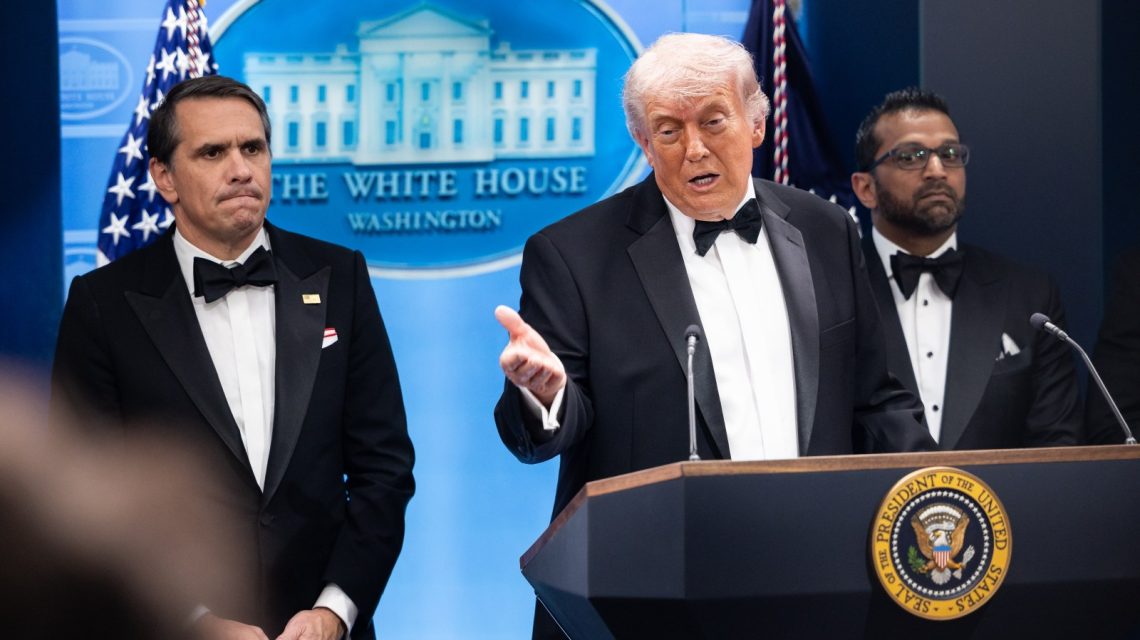
The Justice Department announced its compliance with a federal court’s decision that blocks its proposed “Anti-Weaponization Fund.” Despite its disagreement with the ruling, the Department confirmed its intention to abide by the order. The fund aimed to support those who felt unjustly targeted or persecuted, irrespective of their political affiliation. This initiative received significant backlash from Republican figures.
In a statement criticizing the decision from the Eastern District of Virginia, the DOJ expressed its dissatisfaction but committed to halting its efforts temporarily. The fund was intended to tackle cases of perceived “abuse, harm, and hate.” Newsweek reported on the DOJ’s statement, emphasizing its disappointment in the ruling.
Former Vice President Mike Pence is among the Republicans opposing the fund, labeling it “deeply offensive.” His remarks signal a growing rift within the GOP. Several Senate and House Republicans have already criticized the initiative. This dispute highlights broader internal tension in the party concerning the fund.
Details of the Anti-Weaponization Fund
The Anti-Weaponization Fund involved approximately $1.8 billion in federal money. It was part of a settlement between the DOJ and former President Trump, ending his $10 billion lawsuit against the IRS over leaked tax returns. The fund was to aid individuals who claimed they were victims of government “weaponization,” providing compensation or formal apologies through a commission until 2028.
The fund aimed to offer a structured process for addressing claims of “weaponization and lawfare.” Critics, including Trump and his supporters, allege that the Biden administration’s law enforcement unfairly targeted conservatives. The DOJ maintains confidence in the fund’s legality, referencing precedents from prior administration settlements.
As this situation unfolds, the DOJ’s decision and the political ramifications continue to evoke strong responses.
 Sen. Cotton Opposes Permanent Daylight Saving Time
  Steve Hilton’s Latino Outreach and Gubernatorial Ambitions
 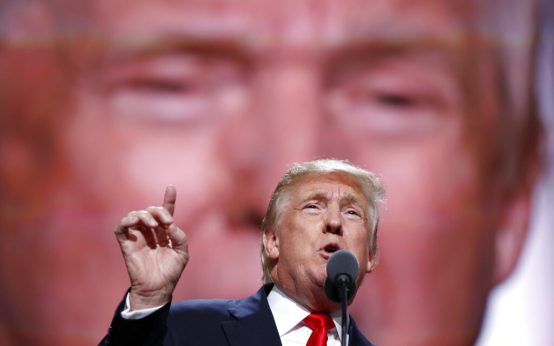 The Need for Reform in Presidential Nominations
 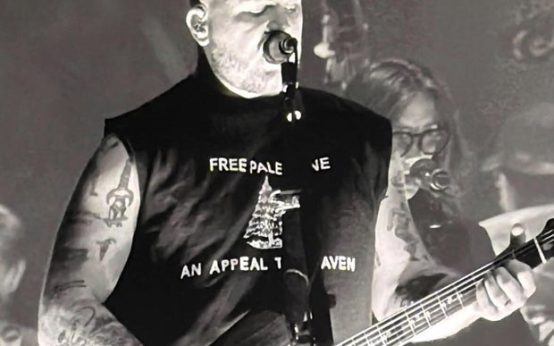 Controversy Surrounds Performances at Gillette Stadium
 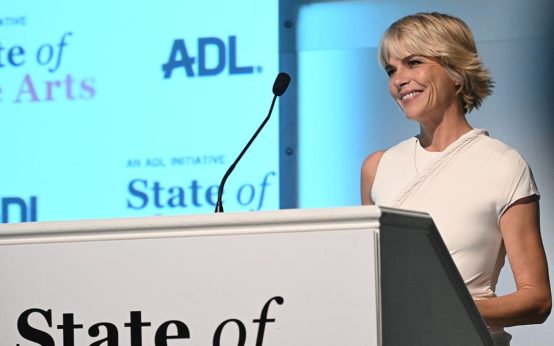 Celebrity Controversies Over Political Activism and Speech
  Trump Pushes for Permanent Daylight Saving Time, Sharing Senator’s Contact Information