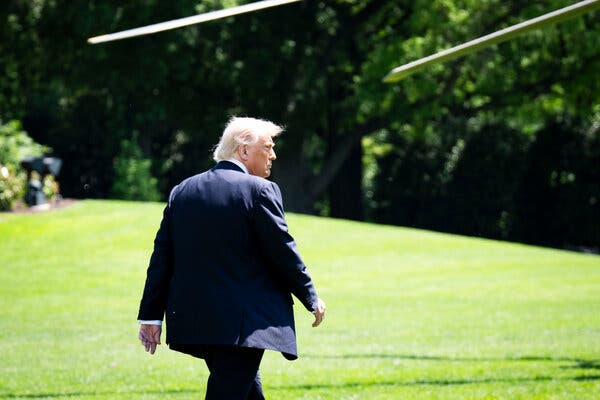
President Trump’s approach to governance, characterized by unilateral decisions and retribution, is encountering increasing resistance in both chambers of Congress.
During a trip to Asia last fall, President Trump celebrated a legislative achievement on the global stage. He had successfully pressured Republicans to pass a bill that cut taxes and reduced the social safety net.
Trump remarked in a speech in Tokyo, “I said, ‘Put it all into one bill, and if we get it done, we’re done for four years.’ We don’t need anything more from Congress in terms of that.”
Since then, Trump has been testing this theory. He has dared lawmakers to oppose him and has sought to remove them from office if they challenge his authority. However, his unilateral governing style is now clashing with Republicans who appear to seek political retaliation.
On Wednesday evening, four House Republicans joined Democrats in urging Trump to withdraw U.S. forces from the conflict with Iran. They demanded that he seek Congressional approval, challenging his stance that he does not need authorization to continue the conflict.
This challenge followed another setback for Trump. A Republican revolt emerged against a $1.8 billion fund designed to reward supporters who claimed persecution by Democrats. Many Republican senators expressed a reluctance to advance Trump’s immigration agenda without eliminating those plans. Acting Attorney General Todd Blanche announced that the administration would abandon the effort.
Despite the Senate moving forward with an immigration bill debate, Trump admitted uncertainty about the fund’s status, whether it was effectively ended or merely paused.
 The Trump Team’s Challenge to the Military Leadership
  Maryland First State to Restrict Electronic Pricing in Grocery Stores
  Activists Push for Nationwide Ban on Child Marriage in the U.S.
  Democratic Hopes and Historical Warnings in 2026 Senate Race
  Republicans Face Challenges Amidst Cost of Living Concerns
  A Different Kind of Fall for Congress This Year