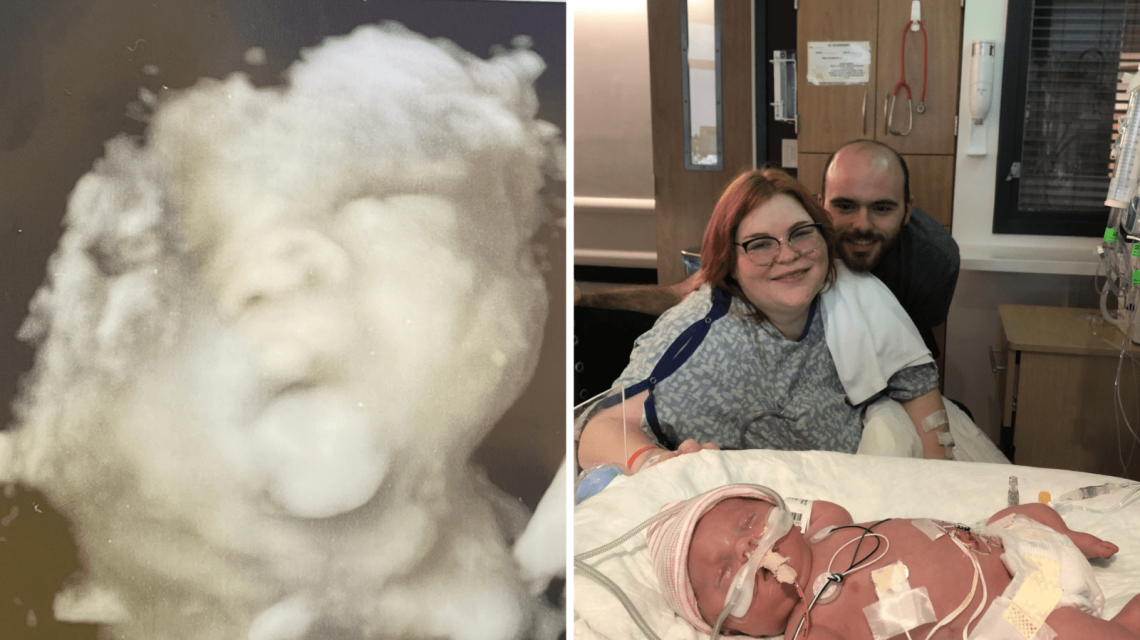
In late 2024, Chassidy Kelly Boutwell discovered she was expecting her third child. Having experienced heartbreak from a previous pregnancy loss, she faced her new journey with caution. Her concerns were realized during a 20-week anatomy scan, which indicated problems with her baby’s bones. All limbs were shorter than expected, and the baby’s skull had an unusual shape.
Boutwell suspected osteogenesis imperfecta (OI), a genetic disorder leading to brittle bones, was the cause. Though her OBGYN initially thought it was a different condition, a specialist confirmed her fears, diagnosing OI and predicting a lethal case.
Despite being devastated, Boutwell sought support from other parents and adults living with OI. She learned many live fulfilling lives and chose to fight for her daughter, Dani. Collaborating with a specialist, they planned a unique cesarean to minimize risks during delivery.
Dani Boutwell was born on July 7, 2025, with a mutation in her COL1A2 gene. Her condition required extensive care, including oxygen and a feeding tube, to manage pain from fractures. Dani’s genetic mutation was unprecedented, creating uncertainty regarding its severity.
OI, passed through genes, profoundly affected Dani and had familial links. Boutwell’s mild symptoms included minimal fractures and physical traits, while Dani required specialized care. Boutwell’s older daughter, Carolyn, displayed milder symptoms, highlighting the variable presentation of OI.
Raising Dani involved constant vigilance and precise handling. Her bones showed numerous fractures from minor movements, emphasizing the care needed in daily activities. Despite the challenges, Dani displayed joy and defied assumptions about living with OI.
Dani’s condition brought additional complications, affecting bone structure and growth. Her skull had significant deformities, exposing her brain to potential injury. Correcting her lower limb problems depended on improved growth and bone density.
Despite her physical limitations, Dani showed resilience and defied expectations. Therapies and adaptive equipment supported her development, though breaks remained frequent. The Boutwell household adapted to ensure Dani’s safety, implementing rules to prevent potential hazards.
Doctors initially predicted a short lifespan for Dani, set at 28 days. However, she continued to surprise and inspire those around her by showcasing her joy and capabilities. Awareness of OI remains limited, stressing the importance of accurate information over misconceptions.
Boutwell’s journey with her daughter brought her closer to faith, prompting her to document their experience on social media. Her story raises awareness and educates others on OI, offering support for parents facing similar challenges.
 Freddy’s American Adventure: From Soccer to College Football
  Increased Funding Needed for Psychiatric Hospitals
  Trump Administration Distributes ACA Refund Checks
  Higher Consumption of Ultra-Processed Foods Linked to Increased Health Risks
  The Quest for the Knuckleball Dream
  Navigating Grief After a Sibling’s Overdose