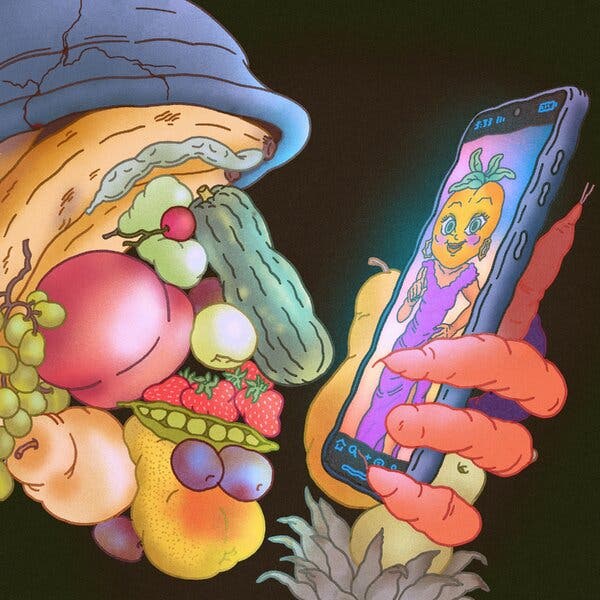
In March, a TikTok account named ai.cinema021 released over 20 episodes of an AI-generated show titled “Fruit Love Island.” The program features humanoid fruits with exaggerated physical features, engaging in clichéd and peculiar conversations.
The dialogue of these fruit characters sounds as if a TV attempted to learn speech patterns by observing other TVs. A sample exchange illustrates this:
Bananito: I’m here to have fun and probably break a few hearts.
Orangelo: [Laughs.] Bro said the quiet part out loud.
Although the show contains many continuity errors, such as inconsistent clothing and settings, its reception is noteworthy. Known as ‘slop’ in internet slang, this AI-generated content became an unexpected sensation, with episodes surpassing 10 million views.
“Fruit Love Island” contributed to a new genre depicting the romantic lives of produce, inspiring spin-offs like “Fruit Paternity Court” and a drama about pregnant broccoli. The viral status of the original series might suggest public fascination or annoyance. Likely, it triggered negative emotions, prompting people to share it with remarks like, “Look how everything is getting worse.” Whether due to positive or negative interest, algorithms recognized the engagement and promoted it globally.
This phenomenon reflects a broader concern surrounding AI-generated content, equating it with a diminishing quality in online culture. The shock value lies in its adaptation of reality TV tropes, such as those seen in “Love Island,” for shorter, more superficial attention spans.
This discussion leads to a peculiar but significant consequence of AI slop. It saturates social media, from bizarre creations like shrimp Jesus to Tehran-in-the-style-of-Legos propaganda, often earning public disdain. Yet, this wide visibility and shared dislike are rebuilding a common cultural baseline.
AI slop’s prevalence could restore a unifying cultural element that the internet seemed to disrupt: a monoculture. Monoculture once enabled mass consumption of TV, movies, and music as shared experiences, fostering recognizable references like Steve Urkel from “Family Matters.” Although often criticized for its lack of depth, monoculture provided a collective experience now largely lost.
The zenith of monoculture spanned from the 1950s to the 1990s, when network television dominated nightly entertainment with limited channel options. These channels aimed to attract broad audiences, sometimes sacrificing artistic merits. Despite constant critique, this shared experience is missed in today’s algorithm-driven entertainment landscape.
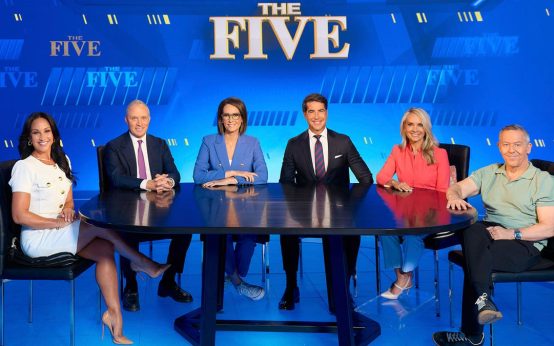 Fox News Leads in Viewership Ahead of 30th Anniversary
  Midwest Underground Railroad Network Gains National Recognition
  Art Collective Critiques Administration with Mall Installation
  American Hagwon: A Tale of Family and the Korean Diaspora
 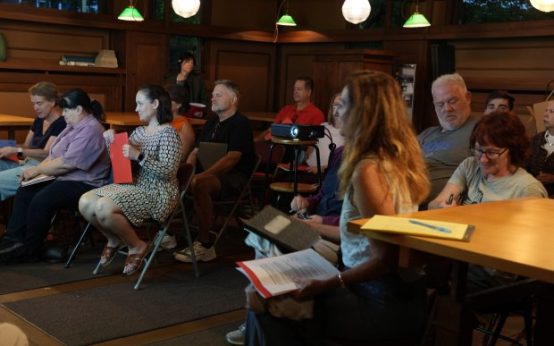 Volunteer Enthusiasm Shines at Frank Lloyd Wright Home and Studio
  Bible’s Role in Times of War