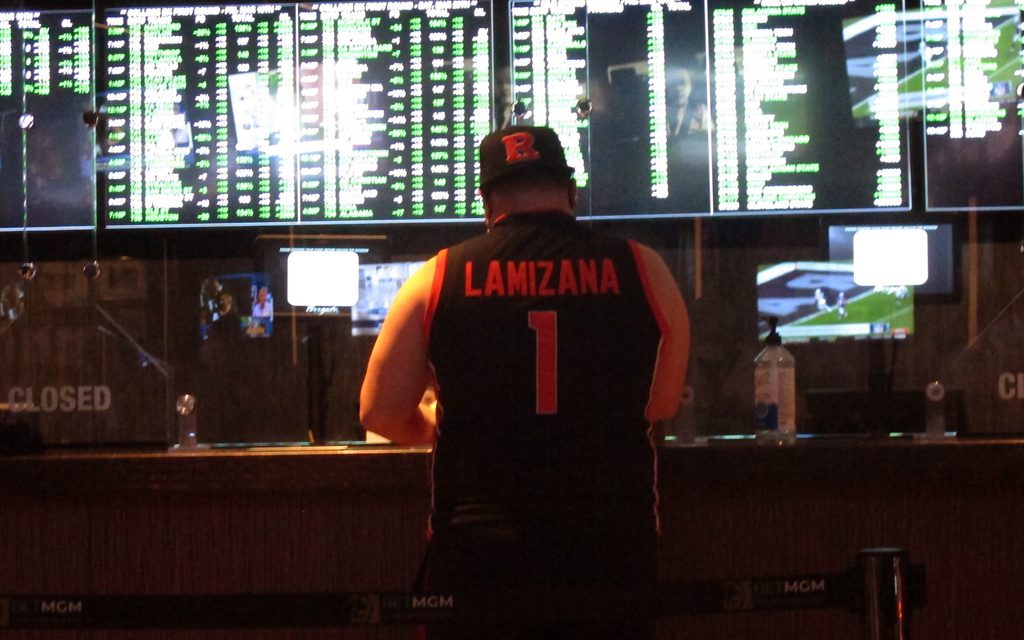
College athletes across the nation face daily abusive and vulgar messages from sports fans. This issue becomes more pronounced with examples like Florida State’s Cam Corhen, who received hateful messages after being injured early in a basketball game. Similarly, North Carolina’s Armando Bacot faced over one hundred demeaning messages just days after North Carolina allowed player prop bets on college sports.
The problem is widespread. One-third of high-profile athletes encounter abusive messages related to betting interests. Student-athletes are expected to prepare rigorously, compete weekly, and maintain academic performance. Additionally, with Name, Image, and Likeness (NIL) deals, they need to have a strong online presence. However, this exposure opens them to relentless online abuse. Federal legislation is necessary to address this issue effectively.
Need for Federal Legislation
Legalized sports betting increases the risk of athletes being targeted by fans. To combat this, Congress should consider implementing a national banned bettors registry for individuals convicted of sports-related harassment. Additionally, athletes should be allowed to take legal action against those who repeatedly harass them in connection with betting.
Placing bets on player statistics, known as prop bets, encourages harassment directed at athletes. While some advocate for banning such bets or college sports betting altogether, these actions face strong opposition from the gambling lobby. Federal legislation offers a quicker and more practical solution.
Current Measures and Limitations
Current measures, like the NCAA’s “Don’t Be a Loser” campaign, aim to increase awareness but fail to provide concrete solutions. Social media efforts lack enforcement power. The legal framework is fragmented, with inconsistent regulations across states. A federal standard would ensure effective protection for all collegiate athletes.
Proposed federal legislation should impose criminal penalties for online conduct causing significant emotional distress or fear for safety. New York’s Senate Bill, as an example, targets harassment and designates convicted individuals as banned sports bettors. This approach ensures consistent treatment across different jurisdictions.
Legal Recourse and Free Speech
Allowing athletes to sue those who engage in abusive conduct could deter such behavior by attaching financial consequences. While free speech objections may arise, the proposed legislation would specifically target true threats and continuous harassment, not mere criticism.
The Supreme Court has recognized that speech intended to threaten or intimidate lacks First Amendment protection. Fans should feel free to critique athletes but not terrorize them. A federal approach standardizes accountability, overcoming the limitations of state regulations and varying bans.
Ultimately, athletes should not endure abuse off the field. Beyond raising awareness, necessary action must be taken to ensure accountability. The well-being of athletes, who enable college sports, must be prioritized.
Deymon X. Fleming, Jr. is a J.D. candidate at the University of Georgia School of Law.
© 2026 Nexstar Media Inc. All rights reserved. This material may not be published, broadcast, rewritten, or redistributed.
 Arike Ogunbowale Sets Playoff Record as Dallas Wings Force Game 3
  Chicago White Sox Triumphs in 2026 Postseason
  Atlanta Dream Defeats Washington Mystics to Advance in WNBA Playoffs
 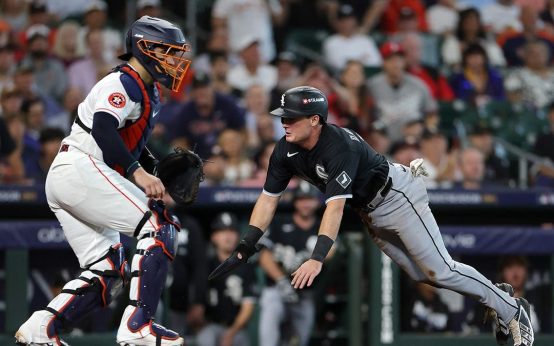 MLB Wild Card Series: Drama Unfolds
 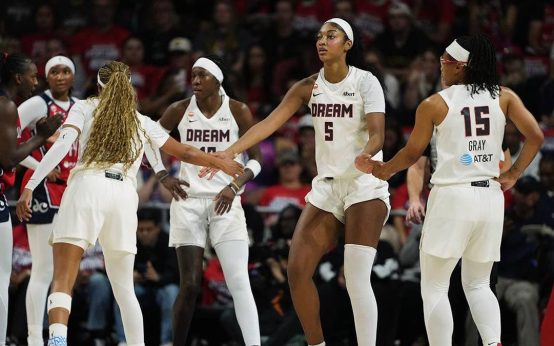 Atlanta Dream Advances to WNBA Semifinals After Defeating Washington Mystics
 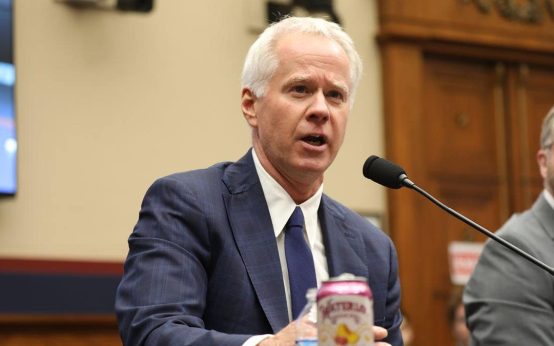 Patrick McEnroe Advocates for Collegiate Athletic Reform