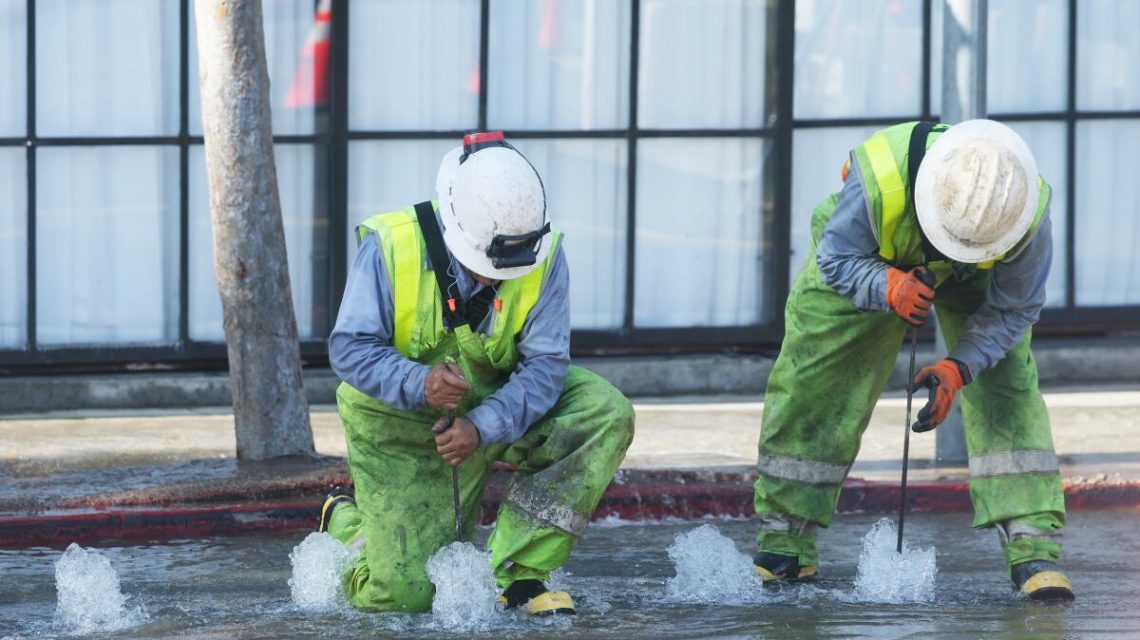
The water infrastructure of Los Angeles is showing its age. This vast network of pipes, delivering more than 400 million gallons of water daily, is essential to the city’s residents. Yet, many lines have been in service for decades, with some dating back over a century. A recent example of its struggles occurred on July 17, when a major water main break under Sunset Boulevard in West Hollywood caused significant damage.
A 36-inch main pipe burst, creating a large sinkhole and sending 17 million gallons of water into the streets. Repairs were underway when, just days later on July 23, another leak appeared nearby. The Los Angeles Department of Water and Power (LADWP) reported that the pipe that failed had been operational for 110 years.
Los Angeles might seem youthful, yet beneath its surface lies an aging infrastructure. These pipes, hidden from view, have reliably served through numerous challenges. From droughts to earthquakes, they continued to function as the city expanded.
The pipe was laid during Woodrow Wilson’s presidency, against the backdrop of World War I’s Battle of Verdun.
Over the years, this same network supported a growing population, rising from 500,000 to 4 million. Recent incidents highlight the age-related vulnerabilities of this system.
Evidence of the damage was seen at locations like the Dialog restaurant, affected by the flooding. Owner Tadeh Ghazalian faced the consequences firsthand as water-damaged materials crumbled away. It illustrated how essential yet destructive water can be.
The LADWP oversees approximately 6,800 miles of pipelines, with only 570 miles comprising larger trunk lines. Many of these pipes are old, with 30% exceeding 80 years in age. The disparity in the ages of people and pipes is significant; just 3.7% of LA County’s population is 80 or older.
In 2014, a pipe burst near UCLA, highlighting again the aging infrastructure. But age isn’t the sole factor affecting a pipe’s durability.
Anselmo Collins of LADWP remarked on the unpredictability in pipe performance, noting that old pipes can sometimes outperform newer ones. Factors like soil conditions and water table levels contribute to their integrity.
In response to recent failures, questions have emerged about LADWP’s leadership and strategies. Decisions, scandals, and policies have shaped perceptions of the agency’s effectiveness.
LADWP is actively upgrading. Annually, it replaces 45 miles of outdated lines, with new pipes intended to last 150 years. Experts, like Joseph Reichenberger of Loyola Marymount University, emphasized the need for proactive measures.
Comparatively, other cities, such as Philadelphia and Boston, report more frequent main breaks.
Despite the challenges, LADWP applies advanced monitoring techniques, resulting in a leak rate below the national average. Historical perspective shows that global cities face similar infrastructure issues. Cambridge, for instance, is replacing 150 miles of pipes in a current five-year project.
LADWP plans to continue its modernization efforts, each year increasing the installation rate of new pipelines. However, improvements come with financial implications, requiring larger investments and potential impacts on traffic and commerce.
Los Angeles residents are familiar with these themes. Infrastructure such as sidewalks and trees also display signs of aging, posing financial and logistical challenges. Maintaining city-wide aging elements demands continuous investment.
When the pipeline was introduced in 1916, Los Angeles was just entering the automotive age. The historical context frames these enduring infrastructure challenges.
The perseverance of Los Angeles’s infrastructure mirrors the longevity of iconic figures and symbols, such as the Bullwinkle statue, observed intact amidst the chaos. Despite these challenges, efforts to renew and maintain the water system drive the city forward, securing its future water delivery reliability.
 Atlantic Ends September Without a Hurricane for First Time Since 1994
  Bobcat Sightings and Conservation Efforts in Illinois
 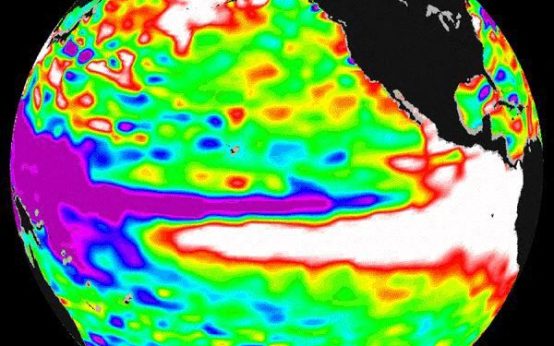 2026 El Niño: A Historical Comparison and Future Projections
  U.S. Records Warmest September in History
 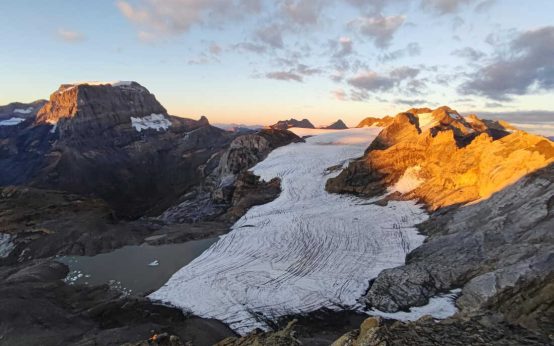 Swiss Glaciers Show Effects of Ice Loss Amid Global Warming
  Climate-Resistant Rock Glaciers: Hidden Water Resources