
As an advocate for survivors of domestic violence, I’ve observed that although technology evolves, the pattern of abuse remains constant. Abusers consistently find new ways to inflict harm. In the 1980s, Polaroid cameras allowed for the documentation of exploitation without a direct witness. The 1990s saw Caller ID being used by stalkers to track individuals. In the 2010s, smart technologies, including doorbell cameras and location apps, provided abusers with tools to monitor and control others.
Recently, there’s a troubling increase in “nudify” and “kissing” apps, which utilize AI to fabricate intimate images without consent. These applications are spreading rapidly across the internet. Sharing someone’s real or fabricated intimate photos without permission is not only wrong but often illegal, leading to severe consequences, particularly for women and girls.
In response, I collaborate with safety teams to block these apps and related content on online platforms. AI assists by improving content detection processes, even when disguised with emojis or benign app appearances. It’s crucial for tech companies to build robust prevention and reporting tools, partner with nonprofits, and assist law enforcement to hold perpetrators accountable. These efforts are ongoing rather than one-time fixes.
The tech industry actively seeks innovative solutions to tackle such content. Teams of bad actors continuously seek loopholes and adapt their tactics as defenses strengthen. Given the borderless nature of the internet, solutions must extend beyond individual platforms.
Collaboration between tech companies, nonprofits, and civil society is vital to preventing harm and supporting survivors. The Tech Coalition’s Lantern program exemplifies this by enabling companies to share URLs of violating apps for collective investigation and action. Initiatives like these are crucial in stopping the spread of nonconsensual images online.
However, the most crucial aspect is educating people about available protective tools. Every survivor should know they can reclaim control. StopNCII.org offers a secure method to report nonconsensual sharing of intimate images. Bipartisan legislation, like the Take It Down Act, supports these efforts by providing victims with reporting tools.
Addressing the exploitation of intimate images requires legal action against those who create and promote such content. Last year, Meta initiated a lawsuit against Joy Timeline HK Limited, the entity responsible for CrushAI apps, for promoting AI-generated explicit images without consent. The case’s initial hearing occurred this week, following numerous cease and desist letters to those involved with nudify apps.
Twenty-six years ago, I founded the Safety Net Technology Project to combat the misuse of technology in domestic violence. After years in the nonprofit sector, I joined the tech field to prioritize combating intimate image abuse. The work is not flawless, but persistence is crucial.
Together, we can counteract those who exploit while empowering survivors. If threatened with sharing of your intimate images, visit StopNCII.org or TakeItDown.NCMEC.org.
Cindy Southworth is the Head of Women’s Safety at Meta and former Executive Vice President of the National Network to End Domestic Violence. The views expressed are the writer’s own.
 Freddy’s American Adventure: From Soccer to College Football
 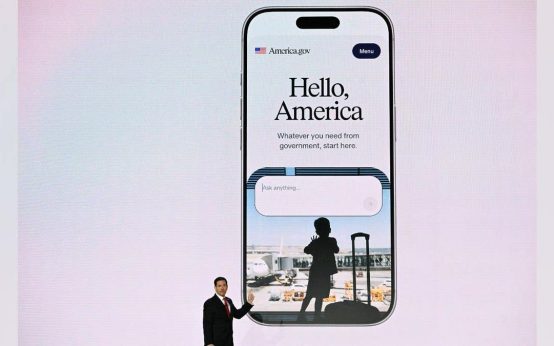 Trump Unveils AI-Powered America.gov Platform
  The Quest for the Knuckleball Dream
  Trump’s 2024 Campaign Targets Young Men Through Cryptocurrency
  Navigating Grief After a Sibling’s Overdose
  How Modern Windows Improve Home Insulation