
Artificial intelligence has not drastically eliminated jobs but is prompting Gen Z to re-evaluate traditional career paths. For seasoned software engineers, AI serves as a tool to streamline processes, such as overseeing bots that debug code. However, recent graduates face challenges in securing employment, encountering numerous applications but few interviews and offers.
This contrast in experience highlights a broader trend in AI adoption. Established professionals, with honed skill sets, continue to find stability, whereas younger job seekers encounter more difficulties. Industries differ in their responses to AI, with entry-level positions feeling the strain the most. Understanding these shifts is crucial for young individuals when selecting career paths worth investing in.
Stanford University’s Digital Economy Lab has been monitoring employment changes using payroll data from ADP, encompassing many American workers. The lab developed an index assessing employment trends across different sectors according to AI exposure levels. Despite post-2022 growth in all categories, the situation seems bleakest for 22 to 25-year-old workers, specifically in high AI-exposure roles. Contrarily, experienced workers remain largely unaffected, pointing toward reduced headcounts rather than outright layoffs.
For young professionals in affected industries, this could mean long-term setbacks. Entry-level positions typically function as apprenticeships, allowing novices to learn vital skills. Tasks such as ticket queue management and code debugging, where AI excels, have seen diminished entry role availability, while senior employees retain their positions.
Yet, not all fields have witnessed a reduction in entry-level opportunities. Jobs rooted in unwritten knowledge, like home health aid positions, are experiencing growth. This field underscores attributes that resist automation: the need for physical presence, accountability, and trust that technology cannot replicate. Similar themes are present in OpenAI’s job transition framework, assessing career viability based on AI task replacement capabilities, human involvement necessity, accountability, and service cost-effect-demand elasticity.
OpenAI’s model, motivated by portraying potential salary savings through technology adoption, may overstate AI’s impact. Nonetheless, it offers a conceptual view into the labor force evolution, placing 18% of jobs at high automation risk while nearly half remain steadfast if tasks are physically driven. About 12% of jobs might grow, as AI enhances product and service quality or accessibility, influencing demand positively.
“Go be a founder” is not an answer to a broken hiring pipeline, and neither is “go be a health aide.”
Examining specific occupations allows individuals to assess potential AI effects, such as labor demand elasticity, measuring demand changes in response to cost reductions. An elasticity of 1.0 implies a demand increase of 1% for every 1% service cost decrease.
It remains uncertain how the market will adjust to AI-driven productivity improvements. Maintaining a consistent workforce size could enable greater output. A YouGov survey of over 1,000 British teachers, commissioned by the British Educational Training and Technology Show, revealed that 80% employ AI at work. While approximately 50% noted workload alleviation, only 33% found they worked fewer hours, redirecting saved time toward backlog management and additional responsibilities.
In some scenarios, AI enriches opportunities as it closes others. A study discovered that in 2025, Gen Z entrepreneurs initiated 9% of new ventures compared to baby boomers’ 5%, with younger entrepreneurs more frequently leveraging AI.
The subtle changes warrant careful consideration. Young individuals should pursue enduring and AI-resilient occupations—those requiring presence, accountability, and human connection development.
 Strategies to Regain Focus in a Distracting Digital Age
  Shift from ‘Artificial Intelligence’ to ‘Super Intelligence’ Gains Traction
  Elon Musk’s Political Contributions: Boost for GOP Ahead of Midterms
  Flexible Streaming Options with DIRECTV
  Cyberattack Disrupts Major French Supermarkets
 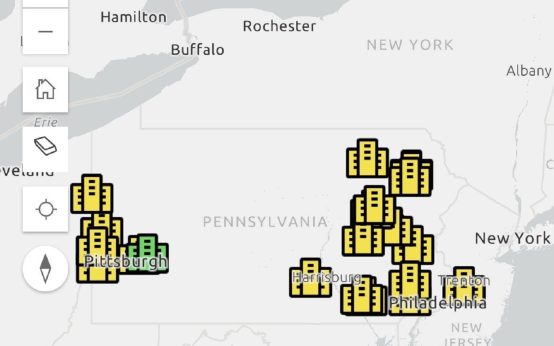 Pennsylvania’s Data Center Permit Tracker Unveiled Amid AI Industry Concerns