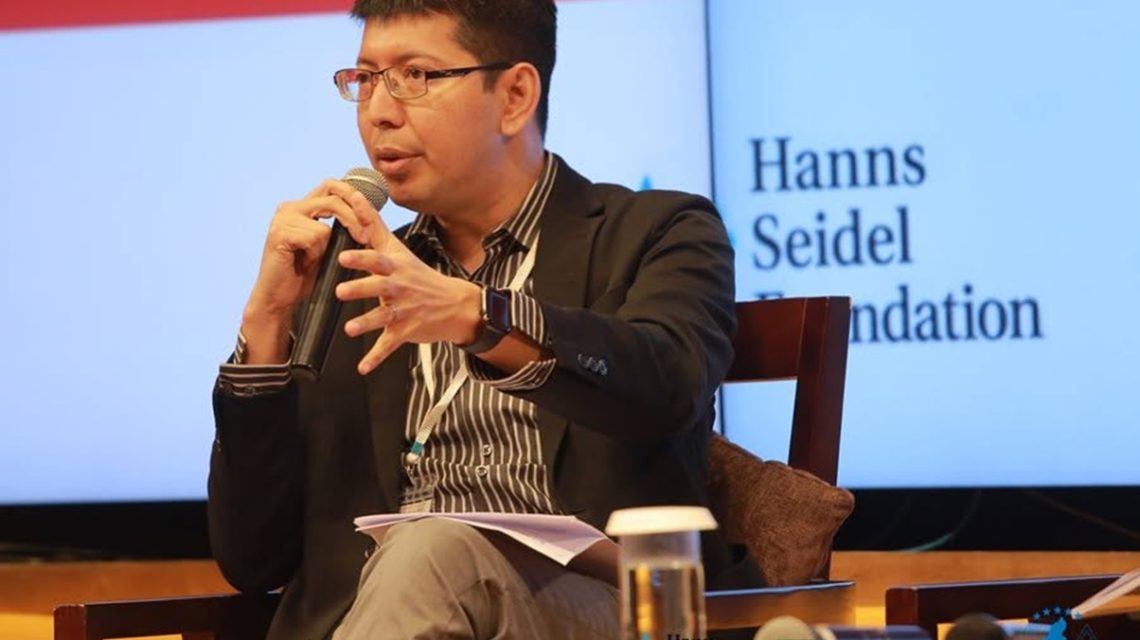
The arrest of an American by Chinese authorities in June drew attention due to his effective exposure of China’s expanding interests and influence in Myanmar, which has been plagued by conflict. Min Zin’s disappearance on June 3 following an invitation to speak at a conference in Kunming, a hub for China’s Southeast Asian activities, has raised concerns about the safety of foreign scholars traveling to China for work.
Min Zin is the Executive Director of the Institute for Strategy and Policy-Myanmar (ISP-Myanmar), which produces extensive geopolitical analyses of Myanmar. This Southeast Asian country has been likened to Syria due to its violence and military complexity. Calls for the U.S. State Department to secure Min Zin’s release have emerged, marking 30 days since his detention, a period after which formal charges could be imminent under Chinese law.
“The question everybody should be asking is why him, why now?” stated Laura Harth of Safeguard Defenders, a human rights group advocating for Min Zin’s release.
An anonymous source familiar with the situation noted, “China had various motives for wanting Min Zin removed from Myanmar.” This source highlighted how Min Zin’s activities complicated China’s strategic efforts in the region.
China announced Min Zin’s arrest shortly before Myanmar President and former military leader Min Aung Hlaing’s first state visit to Beijing on June 15. This visit occurred after Hlaing’s trip to India, signaling both nations’ strategic interests in Myanmar.
An ISP analysis contrasting these trips suggested Myanmar’s inclination towards New Delhi for political and military leverage, yet maintaining strong ties with Beijing. The study titled “Between Two Giants” noted numerous business-to-business and state-level agreements made during the visit.
It highlighted Beijing’s focus on securing cooperation with initiatives like the Global Development Initiative and Global Security Initiative, which represent China-led global visions. “China’s influence isn’t waning,” said Joshua Kurlantzick from the Council on Foreign Relations, asserting its dominance in Myanmar.
Min Zin’s arrest might test U.S. response, especially with previous calls for his designation as “wrongfully detained” unmet. Randall G. Schriver emphasized the academic and independent nature of Min Zin’s work and criticized China’s “baseless” spying allegation.
This arrest allegedly breached an agreement between China and the U.S. from President Trump’s May visit to Beijing. According to Schriver, “The PRC has acted egregiously…” The State Department commented on their priority regarding U.S. nationals’ safety, noting their consular assistance to Min Zin.
Experts say China aims to bolster its presence through the “China-Myanmar Economic Corridor” (CMEC), crucial to the Belt and Road Initiative. This strategic plan involves Myanmar’s Kyaukpyu port, aiming to bypass the Strait of Malacca, a chokepoint patrolled by the U.S.
A railway connecting Kunming to Kyaukpyu is central to China’s strategy, yet local opposition poses threats to its plans. Although some believe Min Zin’s arrest may relate more to U.S.-China relations than direct influence over Myanmar, Yun Sun of the Stimson Center suggested it might be tied to broader geopolitical tensions.
The full extent of these issues remains unclear but could involve retaliation for U.S. visa actions against Chinese scholars.
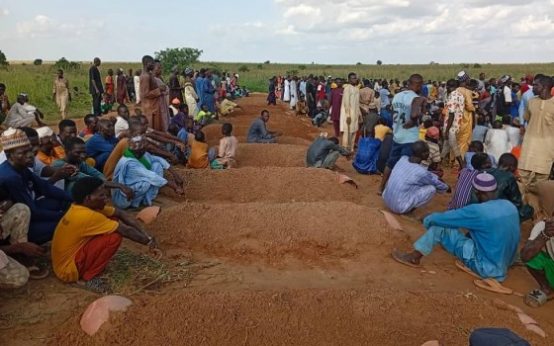 Tragic Boat Accident Claims Lives in Sokoto, Nigeria
  Deportation Flight to Haiti Sparks Concerns
 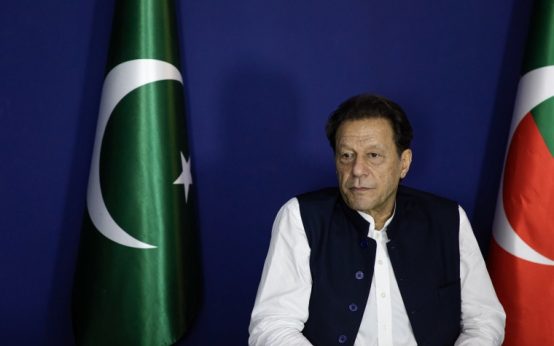 Imran Khan Transferred to Hospital for Medical Examination
  Prince Harry Returns to UK with Meghan and Kids
  China and Russia’s Strategic Moves in the Arctic
  Analysis of Iran’s Military Potential Amid Tensions