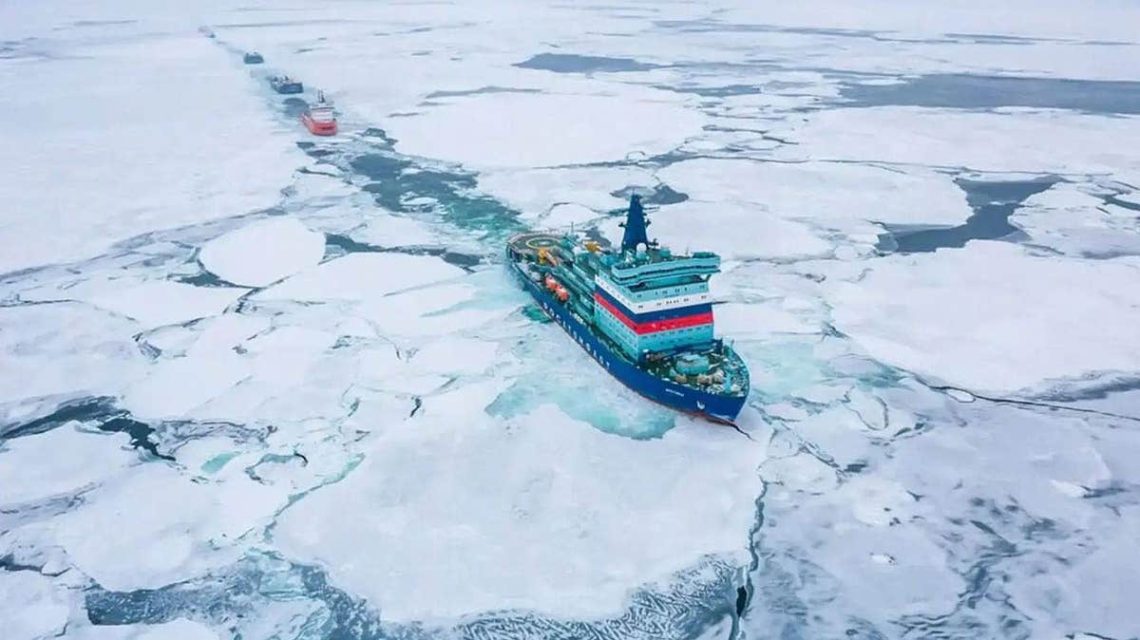
China is testing a new strategic trade route, reaching Europe through Russia’s Arctic. This effort marks a deeper commercial and military cooperation between China and Russia, which raises concerns for the United States. With Washington viewing the Arctic as critical to U.S. security, the situation demands close attention.
China’s Arctic Push
The container service remains small, with only eight voyages planned for the season. Analyst Gordon Chang emphasized the broader significance of this initiative. “China has a strategic interest in the Arctic,” Chang stated. The melting ice in the Northern Sea Route, which follows Russia’s coast, is becoming more viable during summer months.
A ship from Sea Legend Shipping departed from Ningbo-Zhoushan Port in China on August 15, headed for Europe through this route. The journey to Felixstowe, England, is expected to take around 20 days.
US Response and Concerns
The U.S. has taken note, as a congressional report warns of China’s leverage gained from Russia’s economic isolation. The report details China’s increased access to the Arctic, pressuring Washington to strengthen its own presence. President Trump has approved more icebreakers to address this gap.
According to a White House official, the Arctic holds significant importance for U.S. national security and economic interests. The region demands safety, stability, and prosperity amid growing competition.
Russia-China Cooperation
China’s foothold in the Arctic grows, as illustrated by a 20% stake by Chinese enterprises in the Arctic LNG 2 project, despite U.S. and EU sanctions. China and Russia are not only planning commercial shipping but also collaborating on constructing ice-class vessels.
The Pentagon’s Arctic Strategy acknowledges China’s intentions to influence the region. China’s “Polar Silk Road” investments raise concerns over altering the Arctic’s security landscape.
Strategic Implications for Trade
The Northern Sea Route presents a new path for China-Europe trade, bypassing areas like the Strait of Malacca and Suez Canal. This route offers strategic advantages for China, according to Chang.
The USCC report indicates a growing imbalance in Russia-China relations. China gains discounted energy and greater access to Russian military resources while avoiding formal alliance commitments.
Energy and Military Expansion
China purchases roughly 50% of Russia’s crude oil exports, while Russia represents about 20% of China’s oil imports. The post-Ukraine invasion period has seen China buying $372 billion in Russian fossil fuels.
Russia also exploits the Arctic for oil shipment, with significant volumes headed to Asia, primarily China.
Arctic Activity Raises Strategic Concerns
With increased Arctic activity, the U.S. grows wary of Chinese and Russian presence near Alaska. Chang highlights the strategic vulnerability of the Bering Strait, a vital point along the Arctic route.
The military collaboration between China and Russia expands, with numerous joint exercises, including naval operations. In 2024, Chinese bombers entered the Alaskan Air Defense Identification Zone during a joint patrol.
Chang stresses that whether or not one views the Arctic as strategic, the presence of Chinese and Russian forces compels a U.S. response.
Fox News Digital sought comments from Chinese and Russian embassies, as well as the White House.
About the Reporter
Efrat (Effie) Lachter, with extensive experience in conflict and global affairs, authored this report. Her reporting covers human rights and political issues across the globe, earning her prestigious accolades like the 2022 Peres Center for Peace Award.
 Controversy Surrounds Democratic Candidate Alani Bankhead
  Democrats Seek to Reconnect with Latino Voters Through Influencers
  Impact of Prolonged Conflict in Gaza Amid Ceasefire
  States Address Cash Welfare Spending Loopholes
  Former Trooper Criticizes Handling of Gang Violence in Twin Cities
  Unrest in France: Student Protests Reveal Deeper Issues