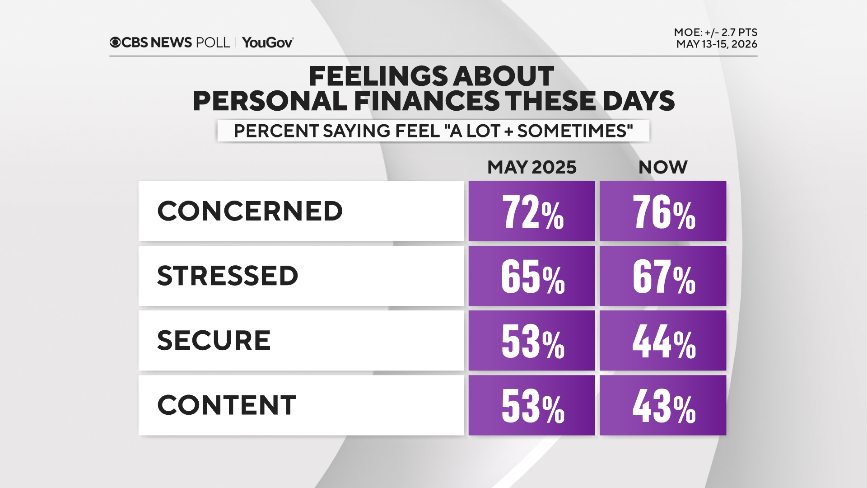
A significant number of Americans report feeling stressed about their finances, with a decrease in financial security compared to the previous year. This corresponds with worsening perceptions of the U.S. economy, reaching levels not observed since 2023. Three-quarters of respondents state that their incomes are not keeping pace with inflation.
The general sentiment towards the economy is one of uncertainty, reflecting both short-term and long-term anxieties. Immediate issues such as rising gas prices and unclear developments in Iran are contributing to this sentiment. Many feel there’s a lack of clarity regarding day-to-day events in critical areas like the Strait of Hormuz.
Broader dissatisfaction has also emerged regarding President Trump’s economic policies. Neither political party is viewed positively in terms of addressing the cost of living. Additionally, there are concerns about artificial intelligence replacing jobs. Many feel that opportunities are diminishing compared to previous generations.
Concerns Related to Iran
The conflict involving Iran has influenced gas prices, contributing to economic uncertainty. Most Americans feel uninformed about current events in the Strait of Hormuz. While some perceive military successes, opinions are mixed about the broader strategic interests being served. This reflects an ambivalence regarding overall advantages in the conflict.
Political Impact on President Trump
President Trump is experiencing political repercussions due to these economic challenges. Two-thirds of Americans believe that his policies are worsening the economy in the short term. Some officials advocate for patience, but optimism about long-term improvements remains limited.
Frustration and anger dominate public sentiment towards the administration’s economic policies. Approval ratings for Trump’s handling of the economy and inflation have declined, particularly among Republicans. A substantial difference exists between his high approval ratings for immigration (89%) and overall performance (85%), compared to inflation management (63%).
Political Parties and Economic Policies
Many Americans do not view either party as effectively addressing the cost of living. Democrats are somewhat favored over Republicans in this regard, but there is skepticism about both parties’ economic strategies. A notable portion of the population remains undecided or sees no advantageous policy from either side.
Looking Ahead
There is ongoing unease about the future of the economy. Many worry about the challenge of finding desirable employment and the potential for AI to replace jobs. The prevailing economic outlook is pessimistic, with most anticipating a recession or economic slowdown.
The current economic environment is often described as ‘uncertain’ and perceived as more ‘unfair’ than ‘fair.’ Younger Americans, in particular, feel less optimistic about their future opportunities compared to older generations.
The data for this CBS News/YouGov survey was gathered from May 13-15, 2026, from a nationally representative sample of 2,064 U.S. adults. The survey was weighted to reflect national demographics and voting history, with a margin of error of ±2.7 points.
 Failed Execution in Tennessee Sparks Controversy
 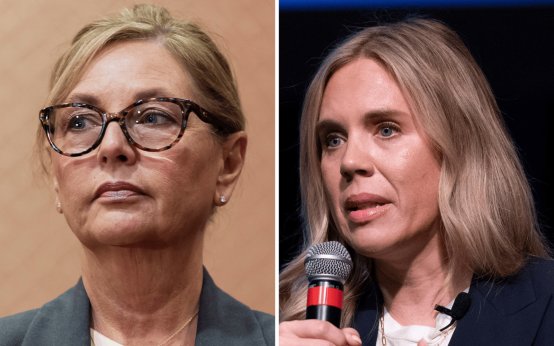 Democrats See South Carolina as Potential Senate Pickup
 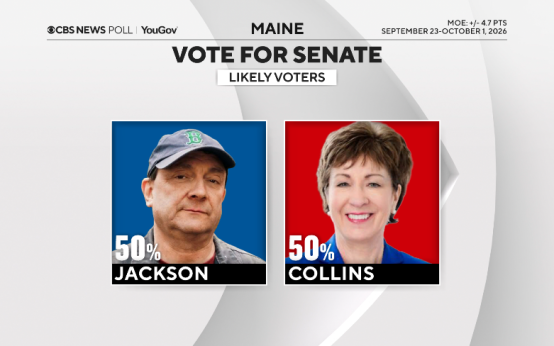 Maine Senate Race: Collins and Jackson in a Dead Heat
  Texas Becomes Key Battleground in Midterm Elections
  President Trump’s Return to Alabama Before Midterms
 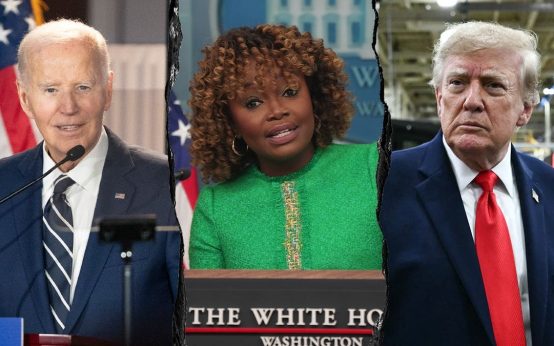 Jean-Pierre’s Critique on Trump’s Messaging Echoes Her Time with Biden