Most Americans encounter scam attempts daily, with around 3 in 10 suffering financial or personal losses, as indicated by a recent AP-NORC survey. Conducted by the Associated Press-NORC Center for Public Affairs Research in February, the survey highlights the daily challenges U.S. adults face in identifying fraudulent calls and messages. Another survey by Gallup and the Stop Scams Alliance, exclusive to AP, reveals that last year around 1 in 10 U.S. adults or their households fell prey to scams, often losing over $500. Despite this risk, few victims report scams, doubting the efficacy of such actions.
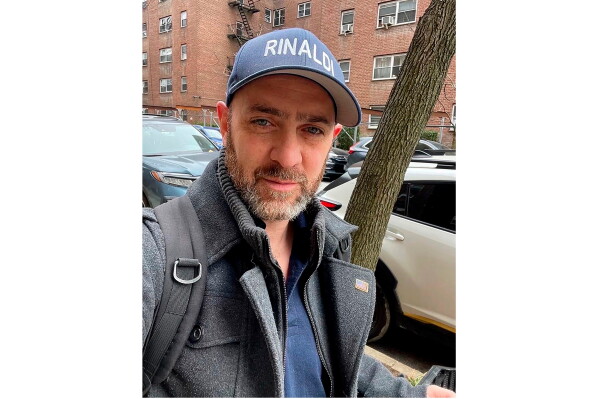
“You’ve got to be pretty sophisticated these days,” says Adam Pratter, 42, who experienced scams on dating apps, once sending money to someone impersonating a military personnel. His realization of the scam only came when monetary requests persisted. He believes banks, social media companies, and the government should assist scam victims in recovering funds.
Widespread Scam Exposure
Americans are flooded with scams. The AP-NORC poll indicates 58% of U.S. adults receive suspicious messages or calls daily, while the Gallup survey notes around 4 in 10 deal with daily scam attempts. Porschel Smith, 22, regularly encounters scam calls and emails. Some are obvious, mentioning nonexistent programs, but she sometimes interacts before detecting the fraud. Scammers often impersonate familiar contacts to deceive individuals.
Older individuals report higher scam frequencies. About 7 in 10 U.S. adults aged 60 and above face daily attempts, compared to around 4 in 10 under 30, as the AP-NORC poll shows. Scams related to package shipments or banking are prevalent, with Facebook, WhatsApp, and Instagram being common platforms for these attempts.
Personal Losses and Challenges
The impact of scams is extensive. Approximately 51% of U.S. adults know someone who has lost money to scams, and about 3 in 10 have personally fallen victim, according to the AP-NORC poll. The Gallup survey indicates 1 in 10 adults or their households were scammed in 2025, with losses ranging between $125 and $2,000. Some individuals, like Towonna Harris, encountered scams involving credit card charges for false tuition payments or unfulfilled purchases from supposed legitimate companies.
Few scam victims report their experiences due to doubts about effective recourse. Both surveys find that victims usually contact financial institutions rather than government or law enforcement. Only about 55% report to banks, and a mere 18% engage with law enforcement. Many do not report, unsure it will make a difference or unaware of the procedure.
Low confidence exists among Americans regarding scam reporting. The AP-NORC poll finds that 55% feel confident about reporting to banks, but only one-quarter trust they can do so with state or federal authorities. Just one-third would know where to report a $5,000 scam loss. Max Anderson recounts his parents’ experience with a scam that imitated an employee, costing them $15,000. Support from the FBI underscored the potential for government assistance, suggesting a need for systemic intervention.
The AP-NORC poll surveyed 1,133 adults from Feb. 19-23, with a margin of error of plus or minus 4 percentage points. The Stop Scams Alliance-Gallup poll surveyed 5,173 adults from Jan. 8-Feb. 18, with a margin of error of plus or minus 1.4 percentage points.